
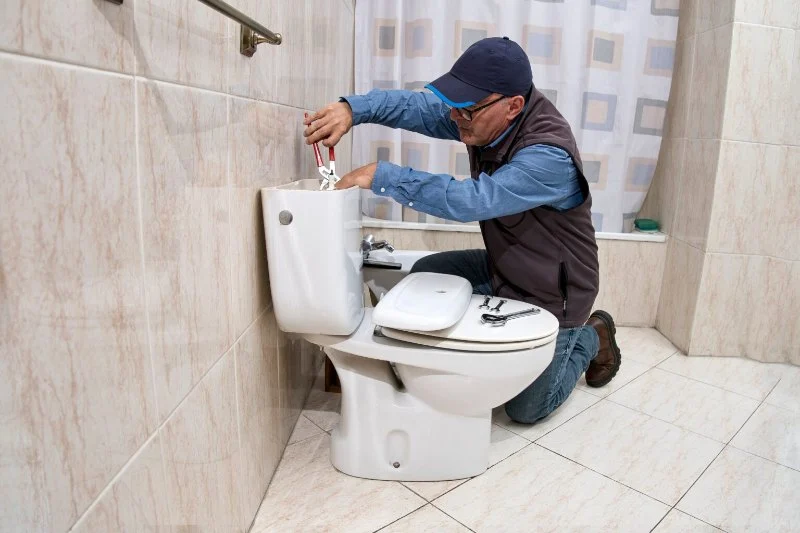
Step-by-Step Guide to Fixing a Running Toilet
A running toilet is one of the most common plumbing issues in many households, and while it might seem like a small problem, it can lead to a significant water waste and higher utility bills. Fortunately, repairing a running toilet is often a simple task that can be done with just a few tools and a little know-how. This step-by-step guide will walk you through the process of fixing a running toilet, saving you both time and money by avoiding a call to the plumber.
- Identifying the Problem
- Tools Needed
- Shutting Off the Water Supply
- Fixing or Replacing the Flapper
- Adjusting the Float and Fill Valve
- Testing the Toilet
1. Identifying the Problem
Before you can fix a running toilet, it's important to understand why it's running. Common causes include:
- Faulty flapper valve: The flapper is a rubber valve at the bottom of the tank. If it doesn't seal properly, water will leak into the toilet bowl, causing the tank to keep refilling.
- Broken fill valve: If the fill valve is malfunctioning, it might allow water to continuously flow into the tank, even when it's full.
- Incorrect float adjustment: The float tells the fill valve when to stop filling the tank. If it's set too high, water will keep running into the overflow tube.
Once you identify the source of the issue, you can begin the repair process.
O'Neill Bros. Plumbing / oneill plumbing
RockvilleMontgomery CountyMaryland
12348 Wilkins Ave, Rockville, MD 20852, USA
2. Tools Needed
You'll need a few simple tools to fix your running toilet:
- Adjustable wrench
- Screwdriver
- Replacement flapper valve (if needed)
- Replacement fill valve or float (if necessary)
- Plumber's tape (optional)
3. Shutting Off the Water Supply
The first step in any toilet repair is to turn off the water supply. Locate the shut-off valve, usually found on the wall behind the toilet, near the base. Turn the valve clockwise to stop the flow of water to the tank. Once the water is off, flush the toilet to empty the tank.

Stashluk Mechanical Contractors Inc. / stashluk
Franklin TownshipHunterdon CountyNew Jersey
998 Croton Rd, Pittstown, NJ 08867, USA
4. Fixing or Replacing the Flapper
The flapper is often the culprit in a running toilet. If it's damaged or warped, it may not seal properly, allowing water to leak into the bowl. To fix or replace the flapper:
- Lift the tank lid and inspect the flapper at the bottom of the tank.
- Check for any visible signs of wear or damage, such as cracks or a warped shape.
- If needed, remove the old flapper by unhooking it from the hooks or pegs that hold it in place.
- Replace it with a new flapper and ensure it's properly aligned to seal the opening when it drops.
If the flapper seems fine, you may want to check the chain attached to it. If the chain is too tight or too loose, it may prevent the flapper from closing properly, leading to a running toilet. Adjust the chain length as needed to ensure the flapper closes completely when the flush handle is released.
5. Adjusting the Float and Fill Valve
If the float is set too high, water will continually flow into the overflow tube, causing the toilet to run. To adjust the float:
- Locate the float in the tank, which is connected to the fill valve.
- If the float is a ball, gently bend the arm that holds it so that the ball is lower in the tank.
- If the float is a cup or cylinder, adjust the screw on the fill valve to raise or lower the float.
Make small adjustments and test by flushing the toilet to see if the water stops once the tank is full. If you're still having issues, the fill valve itself may need replacing.
6. Testing the Toilet
Once you've replaced the flapper or adjusted the float, it's time to test the toilet. Turn the water supply back on and allow the tank to fill. Flush the toilet and observe whether the water stops running once the tank is full.
If the toilet still runs after flushing, check to ensure the flapper is sealing properly and the float is at the correct level. If the issue persists, you may need to replace the fill valve or consult a plumber for further assistance.
By following these simple steps, you can fix a running toilet and save on water bills. If you’re not comfortable with DIY plumbing repairs or the problem persists, don’t hesitate to call a professional plumber to help resolve the issue.
 Guarded Plumbing LLC4.0 (21 reviews)
 J&C Plumbing and Sewer Service, Inc.4.0 (272 reviews)
 Gould Plumbing & Heating4.0 (37 reviews)
 Order A Plumber Inc.5.0 (3 reviews)
 Blanchard Oil Company4.0 (51 reviews)
 Fairfax Electric Plumbing-Gas4.0 (160 reviews)
 Beginner's Guide to Installing a New Toilet: Step-by-Step Tips
 Signs You Need Sewer Line Backups Resolved Immediately
 How to Fix and Unclog a Bathtub Drain Like a Pro
 Step-by-Step Guide to Clogged Drains and How to Fix Them
 Is It Safe to Installing a New Toilet
 How Often Should You Check Low Water Pressure in Your Home