
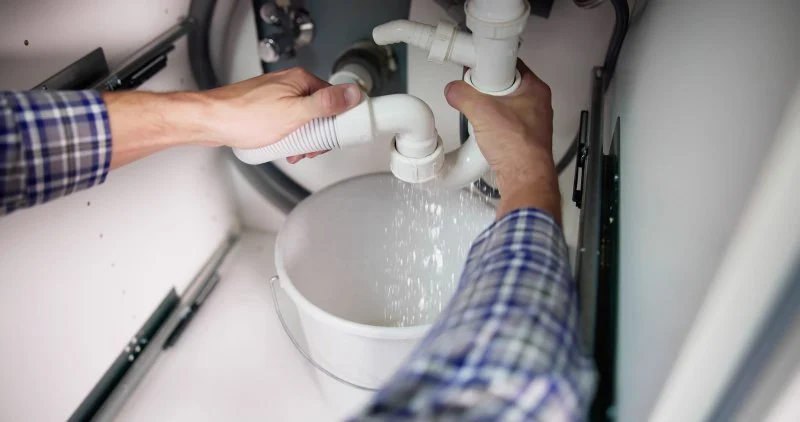
Avoid These Mistakes When Detecting a Hidden Water Leak
- 1- Common Signs of a Hidden Water Leak
- 2- Common Mistakes to Avoid When Detecting Water Leaks
- 3- How to Properly Detect a Hidden Leak in Your Home
- 4- Why You Should Call a Professional Plumber
- 5- How to Prevent Future Water Leaks in Your Home
1- Common Signs of a Hidden Water Leak
Water leaks are not always visible, especially if they occur within walls, under floors, or behind appliances. It’s important to recognize the subtle signs that can point to a hidden water leak in your home. These signs include:
- Unexplained Increase in Water Bills: If your water bills have spiked without any change in usage, it could indicate that there’s a hidden leak somewhere in your plumbing.
- Musty Smell or Dampness: A persistent damp smell or visible mold growth in specific areas of your home, especially in basements or attics, can be a sign of hidden water leakage.
- Water Stains on Walls or Ceilings: Dark stains or peeling paint on walls or ceilings may indicate a slow, hidden leak behind the surface.
- Low Water Pressure: A drop in water pressure can be caused by a leak in the pipes, especially if the water supply is not able to fully reach the faucets.
2- Common Mistakes to Avoid When Detecting Water Leaks
Detecting a hidden water leak can be tricky, but many homeowners make mistakes that delay proper identification and repair. Here are some common mistakes to avoid:
- Ignoring Small Leaks: A small leak may seem harmless, but it can worsen over time, causing more damage to your home. Ignoring small leaks is a mistake that can lead to bigger, more costly issues down the road.
- Relying on DIY Methods Without the Right Tools: While some leaks can be detected with basic tools, many hidden leaks require specialized equipment like moisture meters or infrared cameras. Trying to fix a leak without the right tools can result in inaccurate diagnoses.
- Assuming the Leak Is Only in One Area: Leaks can sometimes travel through multiple areas. Assuming the problem is isolated to a small section can prevent you from addressing the full extent of the damage.
- Delaying Repairs: The longer you wait to address a leak, the more damage it can cause to your home. Quick action is key to minimizing repair costs and avoiding further complications like mold growth or structural damage.
3- How to Properly Detect a Hidden Leak in Your Home
To detect a hidden water leak, follow these steps to ensure you’re addressing the problem correctly:
- Turn Off All Water Sources: To check for a leak, turn off all water-consuming appliances (like the dishwasher, washing machine, and faucets) and check your water meter. If it’s still moving, you likely have a leak somewhere.
- Look for Wet Spots: Check your walls, ceilings, and floors for any damp spots or water stains. Pay attention to areas around pipes, appliances, and windows where leaks are most common.
- Use Technology: Invest in moisture sensors, thermal cameras, or other technology that can help detect hidden leaks behind walls or floors. These tools can be extremely effective in identifying leaks without causing damage to your home.
4- Why You Should Call a Professional Plumber
While it’s possible to detect some water leaks yourself, it’s always a good idea to call a professional plumber if you suspect there’s a hidden leak. Here’s why:
- Expertise: Professional plumbers have the experience and training to locate and fix leaks quickly and effectively. They can detect hidden leaks that are not visible to the average homeowner.
- Advanced Tools: Plumbers have access to specialized equipment, such as leak detection devices and thermal imaging cameras, that can pinpoint hidden leaks without causing damage to your property.
- Long-Term Solutions: Calling a professional ensures that the leak is repaired correctly the first time, preventing future leaks and further damage to your home.
5- How to Prevent Future Water Leaks in Your Home
Once you’ve detected and repaired a water leak, it’s important to take steps to prevent future issues. Here are some tips:
- Regular Inspections: Have a plumber inspect your home’s plumbing system regularly to catch potential problems before they turn into leaks.
- Maintain Proper Water Pressure: High water pressure can put stress on pipes and cause leaks. Install a pressure-reducing valve if necessary to maintain optimal pressure levels.
- Seal Cracks and Gaps: Ensure that windows, doors, and areas where pipes enter your home are properly sealed to prevent water from seeping in during heavy rainfall.
By taking these preventative measures, you can reduce the likelihood of water leaks and protect your home from costly water damage.
If you're in need of expert plumbing services or products, visit PlumberNear for the best recommendations on leak detection tools, services, and more. We offer high-quality solutions to keep your plumbing system running smoothly and avoid costly repairs.
 Guarded Plumbing LLC4.0 (21 reviews)
 J&C Plumbing and Sewer Service, Inc.4.0 (272 reviews)
 Gould Plumbing & Heating4.0 (37 reviews)
 Order A Plumber Inc.5.0 (3 reviews)
 Blanchard Oil Company4.0 (51 reviews)
 Fairfax Electric Plumbing-Gas4.0 (160 reviews)
 Beginner's Guide to Installing a New Toilet: Step-by-Step Tips
 Signs You Need Sewer Line Backups Resolved Immediately
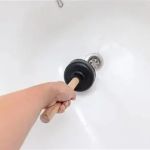 How to Fix and Unclog a Bathtub Drain Like a Pro
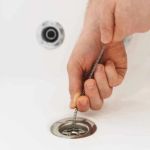 Step-by-Step Guide to Clogged Drains and How to Fix Them
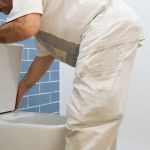 Is It Safe to Installing a New Toilet
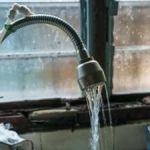 How Often Should You Check Low Water Pressure in Your Home