
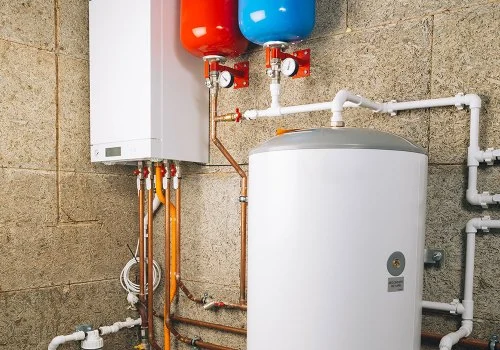
- 1- Signs Your Water Heater is Broken
- 2- How Often Should You Replace Your Water Heater?
- 3- Options for Replacing a Broken Water Heater
- 4- How to Maintain Your Water Heater to Avoid Breakdowns
- 5- When to Call a Professional for Water Heater Issues
1- Signs Your Water Heater is Broken
A broken water heater can cause significant inconvenience, especially when you're left with cold showers or lack of hot water for your daily needs. Before you decide to replace your water heater, it's important to identify the signs that indicate it's no longer functioning properly. Here are some common signs that your water heater may be broken:
- Water is Cold: If your water heater is not producing hot water or if the water temperature fluctuates dramatically, it's likely time for a repair or replacement.
- Strange Noises: Loud popping or banging noises coming from the water heater may indicate sediment buildup inside the tank, which could cause damage and reduced efficiency.
- Leaks: Leaks around the base of the water heater or water pooling on the floor are signs of serious damage that can’t usually be repaired.
- Rusty Water: If the water coming from your faucets is rusty or discolored, it could mean that the inside of the water heater tank is corroding.
- Age of the Water Heater: If your water heater is more than 10-15 years old, it's more likely to break down and may not be worth repairing.
2- How Often Should You Replace Your Water Heater?
When it comes to replacing a broken water heater, timing is everything. Ideally, a water heater should be replaced before it completely breaks down to avoid inconvenience and damage to your home. Here's when you should consider replacing it:
- Age: As mentioned earlier, most water heaters last between 10-15 years. After this period, it’s wise to start thinking about replacing the unit to prevent a sudden breakdown.
- Repair Costs: If the cost of repairing your broken water heater exceeds 50% of the cost of replacing it, it’s time to replace the unit. Constant repairs are not only costly but also may not guarantee the same level of performance.
- Efficiency: Older water heaters are often less efficient, meaning they use more energy and increase your utility bills. Replacing it with a newer, more efficient model can save you money in the long run.
3- Options for Replacing a Broken Water Heater
Once you've decided it's time to replace your broken water heater, there are several options to choose from. Each option has its benefits and drawbacks, depending on your needs and budget. Here are the most common types of water heaters:
- Tankless Water Heaters: These units heat water on demand without the need for a storage tank. They are highly efficient and can provide endless hot water, making them perfect for large households or homes with high water demands.
- Traditional Tank Water Heaters: These are the most common type of water heater. They store hot water in a tank and can supply large amounts of hot water. They are typically less expensive upfront but can be less energy-efficient than tankless models.
- Heat Pump Water Heaters: These units use electricity to move heat from the air or ground into the water. They are energy-efficient and can be an eco-friendly option, though they tend to be more expensive to install.
- Solar Water Heaters: For those looking to go green, solar water heaters use the power of the sun to heat water. They can reduce energy costs, but the initial investment is higher, and they require a sunny climate to work effectively.
4- How to Maintain Your Water Heater to Avoid Breakdowns
Proper maintenance can extend the life of your water heater and prevent future breakdowns. Here are some key tips for keeping your water heater in good condition:
- Flush the Tank Annually: Over time, sediment builds up in the tank, which can reduce the efficiency of your water heater. Flushing the tank every year helps prevent this buildup and prolongs the life of the unit.
- Inspect for Leaks: Regularly check around the base of the water heater for any signs of leaks. Early detection can prevent water damage and costly repairs.
- Check the Temperature Setting: Set your water heater’s thermostat to 120°F (49°C) to prevent overheating and save on energy costs.
- Inspect the Anode Rod: The anode rod prevents the tank from rusting by attracting corrosive elements. Check it every few years and replace it if it's worn down.
5- When to Call a Professional for Water Heater Issues
If you notice any of the signs mentioned earlier, or if your water heater is simply not functioning as it should, it’s important to call a professional plumber or technician. They can diagnose the issue and determine whether a repair or replacement is necessary. Here are some cases when you should definitely call a professional:
- If you’re experiencing frequent water heater malfunctions or repairs.
- If there are visible leaks or pooling water around the unit.
- If your water heater is more than 15 years old and showing signs of failure.
When in doubt, it's always best to consult with an expert. For reliable water heater repairs or replacements, visit PlumberNear to find a qualified technician near you.
 Guarded Plumbing LLC4.0 (21 reviews)
 J&C Plumbing and Sewer Service, Inc.4.0 (272 reviews)
 Gould Plumbing & Heating4.0 (37 reviews)
 Order A Plumber Inc.5.0 (3 reviews)
 Blanchard Oil Company4.0 (51 reviews)
 Fairfax Electric Plumbing-Gas4.0 (160 reviews)
 Beginner's Guide to Installing a New Toilet: Step-by-Step Tips
 Signs You Need Sewer Line Backups Resolved Immediately
 How to Fix and Unclog a Bathtub Drain Like a Pro
 Step-by-Step Guide to Clogged Drains and How to Fix Them
 Is It Safe to Installing a New Toilet
 How Often Should You Check Low Water Pressure in Your Home