PlumberNear
PlumberNearPlumbing TipsPlumber Near Me
ConnecticutMarylandMassachusettsNew JerseyNew YorkPennsylvaniaVermont
PlumberNearPlumbing Tips

Expert Advice on Installing a New Toilet: A Complete Guide

Expert Advice on Installing a New Toilet: A Complete Guide
  • -Expert Advice on Installing a New Toilet: A Complete Guide
  • -Preparing for Toilet Installation
  • -Step-by-Step Guide for Installing a New Toilet
  • -Common Mistakes to Avoid During Toilet Installation
  • -When to Call a Professional for Toilet Installation

1. Expert Advice on Installing a New Toilet: A Complete Guide

Installing a new toilet can be a satisfying home improvement project that boosts both the functionality and appearance of your bathroom. Whether you’re replacing an old, worn-out toilet or upgrading to a more efficient model, understanding the steps involved and the tools required is essential for a smooth installation. While this project may seem daunting at first, with a bit of preparation and some basic plumbing knowledge, you can successfully install a new toilet yourself.In this guide, we’ll share expert advice on how to install a new toilet, provide tips on preparation, and highlight common mistakes to avoid. Whether you're a first-time DIYer or a seasoned home improvement enthusiast, this article will walk you through everything you need to know.

2. Preparing for Toilet Installation

Before diving into the installation process, preparation is key to ensuring everything goes smoothly. Here’s what you need to consider:

2.1 Choosing the Right Toilet

Selecting the right toilet is the first step in the installation process. Consider factors like toilet size, water efficiency, and style. Many modern toilets are designed to conserve water, so look for models that are labeled with the EPA’s WaterSense certification. If you're unsure, ask your local plumbing supply store for recommendations based on your bathroom’s space and layout.

2.2 Gathering the Tools and Materials

Before you begin, make sure you have all the necessary tools and materials. Here’s a basic list:New toiletWax ring sealToilet bolts and nutsAdjustable wrenchPlumber’s tapeLevelRubber glovesSponge or towels (for water cleanup)Having everything on hand before you begin will help you avoid any interruptions during the process.

2.3 Turning Off the Water Supply

Before removing the old toilet, make sure to turn off the water supply to the toilet. You’ll find the water shutoff valve near the base of the toilet. Turn the valve clockwise to stop the water flow. After that, flush the toilet to drain the tank and bowl. Use a sponge or towel to soak up any remaining water in the tank and bowl.

3. Step-by-Step Guide for Installing a New Toilet

Now that you’ve prepared your space and gathered your tools, it’s time to start installing the new toilet. Follow these expert steps for a successful installation:

3.1 Remove the Old Toilet

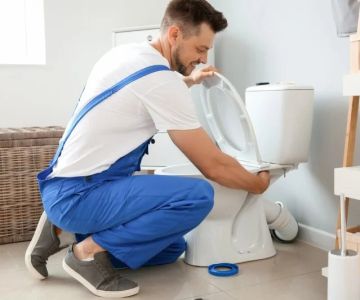
If you’re replacing an old toilet, the first step is to remove it. Start by unscrewing the bolts that hold the toilet to the floor. You may need to use an adjustable wrench to loosen them. Once the bolts are removed, carefully lift the toilet off the flange and set it aside.

3.2 Inspect the Toilet Flange

Once the old toilet is removed, inspect the toilet flange (the pipe fitting that connects the toilet to the waste line). Ensure the flange is in good condition. If it’s cracked or damaged, you’ll need to replace it before proceeding. Additionally, make sure the flange is level and securely attached to the floor.

3.3 Install the Wax Ring Seal

The wax ring seal is crucial for ensuring a watertight connection between the toilet and the flange. Place the wax ring on the toilet flange, making sure it fits snugly. If necessary, you can also apply some plumber’s tape to the flange for added sealing.

3.4 Place the New Toilet

Carefully lift your new toilet and align it with the flange and the wax ring. Lower the toilet gently into place, ensuring the bolts on the toilet base align with the holes in the flange. Apply even pressure to ensure the toilet is seated properly.

3.5 Tighten the Bolts

Once the toilet is in place, secure it by tightening the bolts. Be careful not to overtighten, as this can crack the toilet base. Use a level to ensure the toilet is sitting evenly. Adjust the bolts as necessary.

3.6 Connect the Water Supply Line

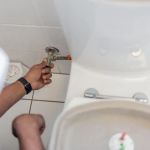
Next, reconnect the water supply line to the toilet’s water inlet valve. Use an adjustable wrench to tighten the connection, ensuring it's secure but not too tight. Afterward, turn on the water supply by turning the shutoff valve counterclockwise.

3.7 Test for Leaks

Turn on the toilet and flush it several times to ensure everything is functioning properly. Check around the base for any signs of water leakage. If you notice any leaks, tighten the bolts a little more or check the wax ring seal for proper placement.

4. Common Mistakes to Avoid During Toilet Installation

While installing a toilet might seem straightforward, there are some common mistakes that can make the process more difficult. Here are a few things to watch out for:

4.1 Not Properly Securing the Toilet

One of the most common issues during installation is failing to properly secure the toilet to the flange. An unstable toilet can cause leaks and might even become misaligned over time. Always make sure the toilet is securely fastened before testing it.

4.2 Forgetting to Check for Leaks

After installation, some people forget to check for leaks, which can lead to water damage. Always take the time to thoroughly test the toilet after installation to ensure there are no leaks around the base or water supply connection.

4.3 Using the Wrong Wax Ring

Using the wrong size wax ring can lead to leaks and improper sealing. Make sure to choose the right size wax ring for your toilet and flange. Some toilets may require extra-thick wax rings if the flange is lower than normal.

5. When to Call a Professional for Toilet Installation
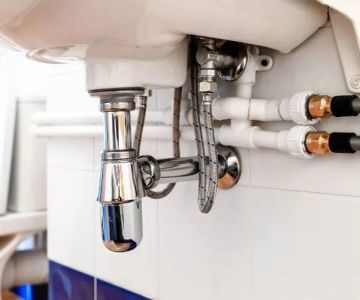
While installing a new toilet can be a manageable DIY project, some situations may require the help of a professional plumber. If you encounter issues with the plumbing, such as a damaged flange or persistent leaks, it may be best to call in a professional to ensure the job is done correctly. Additionally, if you’re unsure about working with plumbing connections, hiring a plumber might be the safer option.For assistance with your toilet installation, or if you need help with any plumbing-related projects, visit PlumberNear to connect with qualified professionals near you.

Trending Blog Articles

Popular Blog Posts

Categories

Top Visited Sites

Must-Read Plumbing Tips Posts

Top Searches

Trending Plumbing Tips Posts