
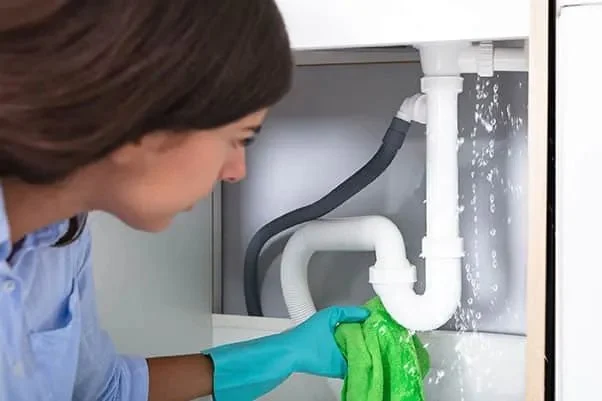
Signs You Need Diagnosing Plumbing Noises
- 1- Why Plumbing Noises Occur
- 2- Types of Plumbing Noises
- 3- When to Call a Plumber
- 4- Tips to Prevent Plumbing Issues
Plumbing noises can be a sign of underlying issues in your system. These noises can range from subtle humming sounds to loud banging. It's essential to pay attention to the sounds your plumbing makes because they can help you identify potential problems early. Plumbing noises typically occur due to air trapped in the pipes, changes in water pressure, or even issues with your water heater. If left untreated, these problems can lead to more severe issues, such as leaks or pipe bursts. Understanding the reasons behind these noises is the first step toward resolving the problem.
Go Green Plumbing, Heating, Air & Electrical / go green plumbing heating and air
GreensboroGuilford CountyNorth Carolina
300 Pomona Dr, Greensboro, NC 27407, USA
2- Types of Plumbing Noises
There are several different plumbing noises you might hear, and each one can signal a different issue. Here are some of the most common:
- Banging or Hammering Sounds: Often referred to as "water hammer," this noise occurs when water suddenly changes direction or stops flowing. It creates a shockwave that causes pipes to rattle. This usually happens when a valve closes too quickly, and it can lead to long-term damage if not addressed.
- Hissing Sounds: A hissing noise typically indicates a leak in the pipe or a faulty valve. It may also occur if there's air trapped inside the pipes. This can be a minor issue, but if ignored, it could result in a larger water loss or damage over time.
- Gurgling Sounds: If you hear gurgling noises coming from your sink or toilet, it could indicate a clog in your drainage system. The gurgling sound happens when water struggles to pass through a partially blocked drain. This problem should be addressed quickly to avoid a complete blockage.
- Whistling Sounds: Whistling noises in the plumbing can be caused by a buildup of mineral deposits inside faucets or showerheads. This restricts water flow and creates a high-pitched whistling sound. You can usually fix this by cleaning the fixtures, but if the sound persists, it may be time for a professional cleaning or repair.
3- When to Call a Plumber
While some plumbing noises can be fixed with simple adjustments, others require professional attention. Here’s when you should consider calling a plumber:
- Persistent Noises: If the plumbing noises persist despite your efforts to fix them, it’s time to consult a professional. Persistent issues may indicate a larger problem that requires specialized tools and expertise.
- Frequent Banging or Hissing: If you hear constant banging or hissing, it could be a sign of significant water pressure issues or even hidden leaks that could cause water damage. A plumber can assess the situation and make the necessary repairs.
- Water Damage: If plumbing noises are accompanied by visible water damage or leaking, don’t hesitate to call a plumber. Water leaks, even small ones, can lead to extensive damage to your home.
- DIY Fixes Aren't Working: If you’ve tried DIY solutions, like using drain cleaners or adjusting water pressure, and the problem still persists, it’s best to call a plumber to ensure the issue is properly diagnosed and resolved.
4- Tips to Prevent Plumbing Issues
While it’s essential to diagnose plumbing noises early, it’s even better to prevent them from happening in the first place. Here are some prevention tips to keep your plumbing system running smoothly:
- Regular Maintenance: Have your plumbing system inspected regularly by a professional plumber. Regular maintenance can help detect minor issues before they turn into major problems.
- Flush Your Water Heater: Flushing your water heater annually helps remove sediment buildup, which can reduce efficiency and cause strange noises.
- Install Pressure Regulators: Installing pressure regulators can help prevent water hammer and other pressure-related issues that cause loud noises in your plumbing system.
- Keep Drains Clean: Avoid pouring grease or food particles down the drain. Regularly clean your drains to prevent blockages that can lead to gurgling noises.
If you’re experiencing plumbing noises or suspect issues with your plumbing system, don’t hesitate to contact a professional plumber for accurate diagnosis and reliable solutions. Visit PlumberNear for expert plumbing services in your area.
 Guarded Plumbing LLC4.0 (21 reviews)
 J&C Plumbing and Sewer Service, Inc.4.0 (272 reviews)
 Gould Plumbing & Heating4.0 (37 reviews)
 Order A Plumber Inc.5.0 (3 reviews)
 Blanchard Oil Company4.0 (51 reviews)
 Fairfax Electric Plumbing-Gas4.0 (160 reviews)
 Beginner's Guide to Installing a New Toilet: Step-by-Step Tips
 Signs You Need Sewer Line Backups Resolved Immediately
 How to Fix and Unclog a Bathtub Drain Like a Pro
 Step-by-Step Guide to Clogged Drains and How to Fix Them
 Is It Safe to Installing a New Toilet
 How Often Should You Check Low Water Pressure in Your Home