
- What is a Sump Pump and Why It’s Important
- Common Causes of Sump Pump Failure
- How to Prevent Sump Pump Failure
- What to Do If Your Sump Pump Fails
- Choosing the Right Sump Pump for Your Home
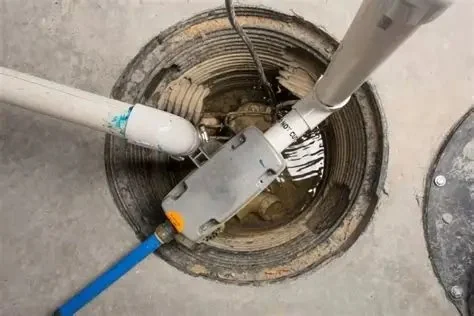
What is a Sump Pump and Why It’s Important
A sump pump is a device installed in the basement or crawlspace of a home to prevent flooding by directing water away from the foundation. When heavy rain or snowmelt causes groundwater levels to rise, a sump pump automatically activates to pump water out of the sump pit and away from the house. It's an essential tool in protecting your property from water damage and foundation issues. However, like any mechanical device, a sump pump can experience failures that compromise its effectiveness. Knowing how to address and prevent sump pump failures is critical to ensuring it performs when you need it most.
O'Neill Bros. Plumbing / oneill plumbing
RockvilleMontgomery CountyMaryland
12348 Wilkins Ave, Rockville, MD 20852, USA
Common Causes of Sump Pump Failure
Sump pump failures can happen for various reasons, some of which are easily preventable. Here are the most common causes of sump pump failure:
- Power Outages: Many sump pumps are powered by electricity, and during a storm or power failure, they may stop working. Without a backup power source, your home becomes vulnerable to flooding.
- Clogged Discharge Line: The discharge line is responsible for directing the water away from your home. If it becomes clogged with dirt, debris, or ice, the pump can't expel the water properly.
- Worn-Out Pump Components: Over time, parts of the sump pump such as the motor, float switch, and check valve can wear out and fail, leading to inefficient operation or complete failure.
- Improper Installation: If the sump pump is improperly installed, it may not function as intended. This includes incorrect positioning, inadequate sizing, or poor connections.
- Frozen or Frozen Discharge Line: In cold climates, water in the discharge line can freeze, preventing water from being expelled from the house. This is a serious issue in winter months when water buildup is a concern.
How to Prevent Sump Pump Failure
Preventing sump pump failure requires regular maintenance and some simple precautions to ensure your pump works efficiently when you need it most. Here are a few essential tips for maintaining your sump pump:
- Test the Pump Regularly: Run a test of your sump pump every 3-4 months to ensure it’s working correctly. You can do this by adding water to the sump pit and checking if the pump turns on and expels the water effectively.
- Check for Blockages: Periodically inspect the sump pit for debris or blockages. A clean pit allows the pump to operate at maximum efficiency and prevents clogging.
- Install a Battery Backup: To protect against power outages, consider installing a battery backup for your sump pump. This ensures that the pump continues to operate even when the power goes out.
- Clear the Discharge Line: Ensure that the discharge line is clear of debris, dirt, and ice. Regularly check the line, especially during the winter, to prevent it from becoming obstructed.
- Check the Pump's Components: Regularly inspect the pump’s motor, float switch, and check valve. If any components show signs of wear, replace them promptly to avoid breakdowns.
What to Do If Your Sump Pump Fails
If you notice that your sump pump has stopped working, follow these steps to diagnose and fix the issue:
- Check for Power: Ensure that the pump is properly plugged in and connected to a working power source. If the power is out, make sure the battery backup is functioning.
- Inspect the Float Switch: The float switch is responsible for activating the pump when water reaches a certain level. If the switch is stuck or malfunctioning, the pump won’t turn on. Try gently moving the float to ensure it’s not obstructed.
- Clear the Discharge Line: If the discharge line is blocked or frozen, the pump won’t be able to expel water. Use a plumber's snake or hose to clear out debris or thaw the line in the case of ice blockage.
- Call a Professional: If you’ve checked the power, float switch, and discharge line and your pump still isn’t working, it may be time to call a professional plumber. A licensed expert can diagnose and repair the issue quickly.
Choosing the Right Sump Pump for Your Home
When selecting a sump pump for your home, it’s essential to choose one that fits your needs. Here are key factors to consider:
- Pump Capacity: The pump’s capacity is measured in gallons per minute (GPM). Choose a pump that can handle the amount of water your home is likely to receive during heavy rains.
- Power Source: Ensure your pump is powered by a reliable source. Consider a pump with a battery backup for power outages.
- Material Durability: Pumps made of corrosion-resistant materials such as stainless steel tend to last longer, especially if you live in an area with high humidity or a lot of sediment.
- Automatic Operation: Look for a pump with an automatic float switch that activates the pump without needing manual intervention.
By choosing the right sump pump and taking steps to prevent failure, you can ensure your home remains safe and dry even in the heaviest rains.
If you're experiencing sump pump issues or need assistance in selecting the right one, visit PlumberNear for expert advice and reliable service. Protect your home from water damage by investing in a quality sump pump system today!

 Guarded Plumbing LLC4.0 (21 reviews)
 J&C Plumbing and Sewer Service, Inc.4.0 (272 reviews)
 Gould Plumbing & Heating4.0 (37 reviews)
 Order A Plumber Inc.5.0 (3 reviews)
 Blanchard Oil Company4.0 (51 reviews)
 Fairfax Electric Plumbing-Gas4.0 (160 reviews)
 Beginner's Guide to Installing a New Toilet: Step-by-Step Tips
 Signs You Need Sewer Line Backups Resolved Immediately
 How to Fix and Unclog a Bathtub Drain Like a Pro
 Step-by-Step Guide to Clogged Drains and How to Fix Them
 Is It Safe to Installing a New Toilet
 How Often Should You Check Low Water Pressure in Your Home