
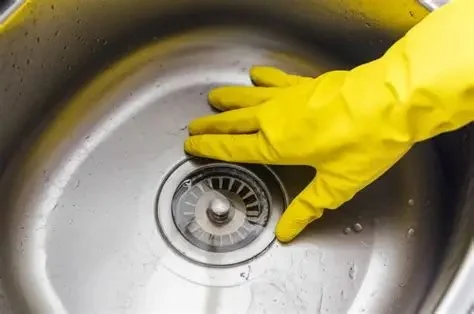
Simple Ways to Fix a Stubborn Kitchen Sink Backup Without Panic
- Understanding the Problem - Why standing water forms in kitchen sinks and what it usually means
- Safe First Response - What to do immediately when water stops draining
- Natural DIY Methods - Simple household solutions that often restore flow
- Mechanical Clearing - Using basic tools to break or remove clogs
- Preventing Future Clogs - Long-term habits to avoid repeating the issue
- Real-Life Scenario - A common household case and how it was resolved
Why a Kitchen Sink Suddenly Fills With Standing Water
A kitchen sink that refuses to drain is usually not a random failure. In most American homes, the issue develops slowly as grease, soap residue, and food particles accumulate inside the pipe walls. Over time, this buildup narrows the passage until water has nowhere to go.
One of the most overlooked causes is how modern cooking habits affect drainage systems. Oils from frying pans, even when rinsed with hot water, cool down inside the pipes and harden. When combined with coffee grounds, rice, or vegetable scraps, the result is a compact blockage that traps water above it.
In apartment settings, this problem can become even more frustrating because shared plumbing lines may contribute to recurring backups. In such cases, identifying whether the issue is local or system-wide becomes essential before attempting repairs.
What to Do First When Water Starts Backing Up
When standing water appears, the first instinct is often to run more water or continue using the sink. That usually makes things worse. The safer approach is to stop all water use immediately and assess the situation calmly.
Start by removing visible debris from the sink basin. If water is still draining slowly, avoid adding chemicals right away. Instead, observe whether the water level changes over 10–15 minutes. This helps determine whether the clog is partial or complete.
A common household story involves a family in Chicago who ignored early slow drainage for weeks. Eventually, their sink overflowed during dinner prep, turning a minor blockage into a messy kitchen cleanup. Early response could have prevented the escalation.
Best DIY Methods to Unclog a Kitchen Sink With Standing Water
There are several reliable home techniques that often restore flow without professional tools. These methods are especially useful for mild to moderate blockages.
Hot Water Flush Technique
Boiling water is one of the simplest solutions. Carefully pour it in stages, allowing heat to soften grease buildup. This method works best when the clog is primarily fat-based rather than solid debris.
Baking Soda and Vinegar Reaction
A combination of baking soda followed by vinegar creates a bubbling reaction that helps loosen residue. After letting it sit for 20–30 minutes, flushing with hot water can clear partially blocked pipes.
Dish Soap and Warm Water Method
Dish soap is surprisingly effective because it breaks down grease. When combined with warm water pressure, it can help move soft clogs further down the line.
Many homeowners find that rotating between these natural methods over a short period can gradually restore drainage without harsh chemicals that might damage older plumbing systems.
Using Simple Tools to Remove Stubborn Blockages
When natural methods fail, mechanical tools become necessary. A basic sink plunger is often the first line of defense. The key is ensuring enough water coverage to create suction pressure.
If plunging does not work, a drain snake or hand auger can physically break apart or retrieve deeper clogs. This is especially useful when food debris has compacted far down the pipe.
In one real case from a suburban household in Texas, repeated clogs were traced to a lost utensil fragment stuck in the P-trap. Once removed, drainage returned to normal immediately. This highlights how physical obstructions sometimes require direct extraction.
Long-Term Habits That Keep Kitchen Drains Flowing
Prevention is often more effective than repair. Small habits can significantly reduce the chances of future sink blockages.
Avoid pouring cooking oil directly into the sink, even with hot water. Instead, dispose of grease in a sealed container. Installing a simple mesh drain catcher can also prevent food particles from entering the pipes.
Routine maintenance using hot water flushes once or twice a week helps keep buildup under control. These small steps often eliminate the need for emergency unclogging in the future.
Homeowners looking for reliable plumbing tools and maintenance solutions can explore Reliable Damage Hub, where practical equipment and home repair resources are available to support long-term plumbing care.
A Real Household Situation and How It Was Resolved
A young couple in a rental apartment noticed their kitchen sink draining slower each week. At first, they ignored it, assuming it was temporary. Eventually, water began pooling during dishwashing, creating daily inconvenience.
They first tried boiling water and baking soda without success. After consulting basic plumbing guidance, they used a simple drain snake and discovered a thick grease-and-food blockage. Once cleared, they adopted regular maintenance habits and never faced the issue again.
This kind of situation is extremely common, especially in busy households where cooking is frequent and sink maintenance is overlooked. Understanding early warning signs can prevent costly repairs later.
Final Practical Insight for Homeowners
Dealing with a blocked kitchen sink is less about panic and more about methodical action. Whether using natural solutions or simple tools, most cases of standing water can be resolved at home with patience and the right approach.
For homeowners who want to stay ahead of future issues, investing in proper maintenance tools and learning basic drain care routines can make a noticeable difference in daily kitchen comfort and plumbing reliability.


 R & R Plumbing4.0 (20 reviews)
 Benjamin Franklin Plumbing of Harford County4.0 (194 reviews)
 JDC Plumbing Inc0.0 (0 reviews)
 Advanced Sewer & Drain Cleaning4.0 (109 reviews)
 John Cacciatore Plumbing & Heating Inc5.0 (2 reviews)
 Sykes Services4.0 (412 reviews)
 How to Maintain Your Home's Plumbing During the Summer
 How to Fix Replacing Old Pipes: A Step-by-Step Guide to Upgrading Your Plumbing
 The Complete Guide to Plumbing Tools Every Homeowner Should Have
 What Causes a Leaking Faucet
 Expert Advice on Fixing a Running Toilet: Causes, Fixes, and When to Call a Plumber
 Best Ways to Finding a Reliable Plumber