
- 1- Understand Your Water Usage
- 2- Fix Leaks Quickly
- 3- Install Water-Efficient Appliances
- 4- Use Water-Saving Techniques in the Garden
- 5- Monitor Your Water Bill
- 6- Opt for Smart Water Metering
- 7- Educate Your Household About Water Conservation
1- Understand Your Water Usage
The first step to reducing your water bill is understanding how much water you are using and where it's being used. Many utility companies provide detailed breakdowns of your water usage. Check these statements carefully to identify the areas where you are consuming the most water. Knowing this will allow you to target the most significant sources of water waste in your home.
2- Fix Leaks Quickly
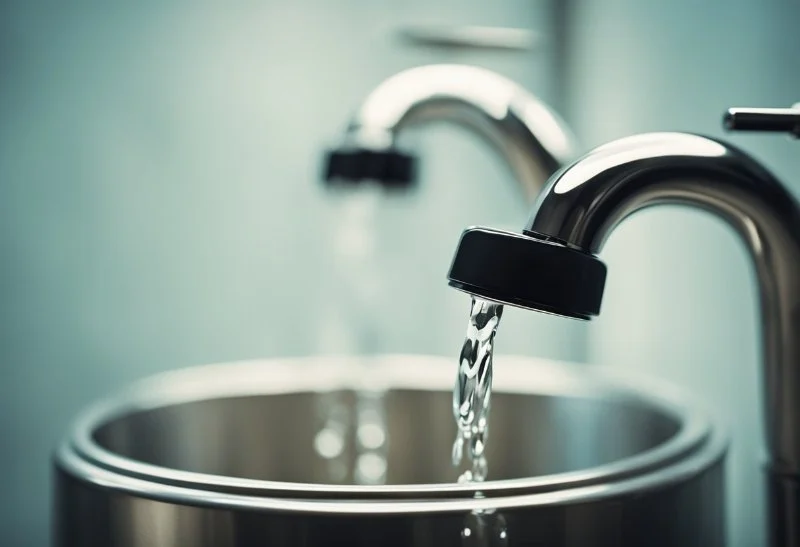
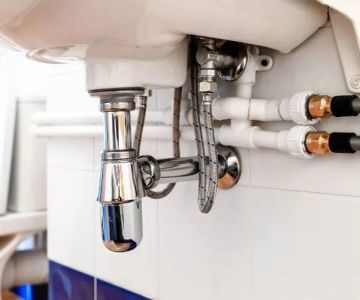
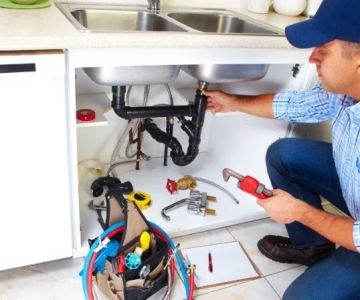
Leaking faucets, pipes, and toilets can waste gallons of water every day, which can significantly increase your water bill. A dripping faucet may seem insignificant, but over time, it can waste hundreds of gallons of water. Regularly check for leaks in your home, and if you find any, make sure to repair them as soon as possible. If you’re unsure how to fix a leak, contact a professional plumber through platforms like PlumberNear for help.
3- Install Water-Efficient Appliances
Installing water-efficient appliances can make a significant impact on your water consumption. Low-flow showerheads, water-efficient toilets, and Energy Star-rated washing machines use less water without sacrificing performance. These appliances may cost more upfront but will save you money in the long run by reducing your water bill and conserving energy.
4- Use Water-Saving Techniques in the Garden
Watering your garden can account for a large portion of your water bill, especially during hot summer months. Consider using drought-tolerant plants that require less water. Additionally, watering in the early morning or late evening helps minimize evaporation, ensuring that more water reaches the roots of your plants. Installing a drip irrigation system or a rainwater harvesting system can also significantly reduce the amount of water needed for gardening.
5- Monitor Your Water Bill
Regularly monitoring your water bill can help you stay on top of any unexpected increases. Many utility companies offer online tools that allow you to track your water usage in real time. By checking your bill monthly, you can quickly spot any unusual spikes and take action before your bill gets out of control.
6- Opt for Smart Water Metering
Smart water meters are becoming more common, allowing homeowners to monitor their water usage remotely. These meters can alert you to sudden changes in water consumption, helping you identify leaks or inefficiencies in real time. If your utility provider offers smart water metering, consider switching to take advantage of this technology.
7- Educate Your Household About Water Conservation
Getting your entire household on board with water conservation is key to reducing your water bill. Educate everyone in your home about simple ways to reduce water usage, such as turning off the faucet while brushing teeth, taking shorter showers, and washing full loads of laundry. Encouraging your family to be mindful of their water usage can lead to significant savings over time.
By implementing these practical tips, you can reduce your water bill while also contributing to environmental conservation. Regular maintenance, smart appliance choices, and mindful habits are all essential steps in keeping your home’s water usage in check. If you need expert help or products to assist in conserving water, visit PlumberNear to find the best options for your needs.
 Guarded Plumbing LLC4.0 (21 reviews)
 J&C Plumbing and Sewer Service, Inc.4.0 (272 reviews)
 Gould Plumbing & Heating4.0 (37 reviews)
 Order A Plumber Inc.5.0 (3 reviews)
 Blanchard Oil Company4.0 (51 reviews)
 Fairfax Electric Plumbing-Gas4.0 (160 reviews)
 Beginner's Guide to Installing a New Toilet: Step-by-Step Tips
 Signs You Need Sewer Line Backups Resolved Immediately
 How to Fix and Unclog a Bathtub Drain Like a Pro
 Step-by-Step Guide to Clogged Drains and How to Fix Them
 Is It Safe to Installing a New Toilet
 How Often Should You Check Low Water Pressure in Your Home