
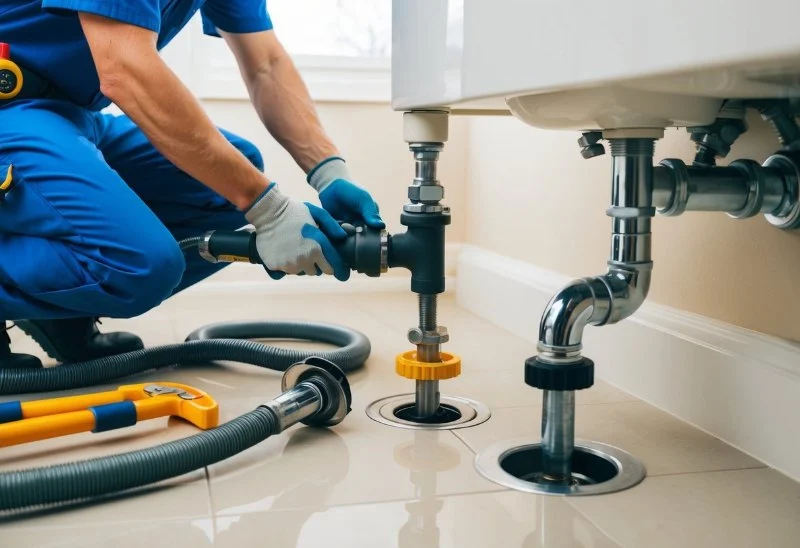
Avoid These Mistakes When Clogged Drains: Expert Tips for Homeowners
- 1- Common Mistakes Homeowners Make with Clogged Drains
- 2- How to Safely Clear a Clogged Drain Without Damage
- 3- When to Call a Professional Plumber
- 4- Preventative Tips to Avoid Future Clogs
- 5- Conclusion: Keeping Your Drains Flowing Smoothly
1- Common Mistakes Homeowners Make with Clogged Drains
Dealing with clogged drains is a common household issue, but many homeowners unknowingly make mistakes that can worsen the situation. While it might seem tempting to try and clear the blockage yourself, using the wrong methods can lead to bigger problems. Here are some of the most common mistakes:
- Using Harsh Chemicals: Many people turn to store-bought chemical drain cleaners to solve their clogging problems. However, these harsh chemicals can damage your pipes over time, leading to expensive repairs.
- Ignoring the Cause: Often, homeowners will simply clear the immediate clog without addressing the underlying cause, such as grease buildup, hair accumulation, or foreign objects lodged in the pipes.
- Overusing the Plunger: While plungers can be effective in some cases, using them repeatedly can push the blockage further into the pipes and make the problem worse.
- Not Checking for Leaks: Sometimes, clogged drains are a symptom of a larger issue, such as a leaking pipe. Ignoring possible leaks can lead to water damage and more extensive plumbing repairs.
2- How to Safely Clear a Clogged Drain Without Damage
If you want to fix a clogged drain without causing further damage, it’s important to follow a safe and effective method. Here are some expert-approved steps to clear your clogged drains:
- Use a Drain Snake: A drain snake or auger is one of the safest and most effective tools for clearing clogs. It allows you to physically remove debris and blockages without damaging your pipes.
- Try a Homemade Solution: Instead of harsh chemicals, you can use natural methods like baking soda and vinegar. Pour a half-cup of baking soda down the drain, followed by half a cup of vinegar. Let it sit for 15 minutes and then flush with hot water.
- Use a Wet-Dry Vacuum: A wet-dry vacuum can be an excellent tool to suck up the debris causing the clog. Just be sure to create a tight seal over the drain opening to maximize suction.
- Boiling Water: Sometimes, simply pouring boiling water down the drain can help loosen grease or soap buildup that may be causing the blockage.
3- When to Call a Professional Plumber
While DIY methods can work for minor clogs, there are times when calling a professional plumber is the best option. Here are some signs that it’s time to seek expert help:
- Persistent Clogs: If your drain continues to clog despite your efforts, it could indicate a deeper problem, such as tree roots infiltrating your pipes or a damaged sewer line.
- Multiple Clogs: If multiple drains in your home are clogged simultaneously, it may indicate a larger issue with the main sewer line, which requires professional inspection and repair.
- Bad Odors or Gurgling Sounds: Foul smells or gurgling sounds coming from your drains can be signs of a serious issue that needs immediate attention from a licensed plumber.
- Frequent Backups: If you experience frequent backups even after unclogging drains, it’s time to contact a professional to get to the root cause of the problem.
4- Preventative Tips to Avoid Future Clogs
To avoid dealing with clogged drains in the future, it’s important to practice good habits and preventative maintenance. Here are some tips to keep your drains flowing smoothly:
- Use Drain Screens: Install drain screens in all your sinks, showers, and bathtubs to catch hair, soap, and other debris before they go down the drain.
- Never Pour Grease Down the Drain: Grease and oils can solidify in your pipes and cause blockages. Always dispose of grease in a container instead of pouring it down the drain.
- Flush with Hot Water Regularly: Periodically flushing your drains with hot water helps prevent grease and soap buildup that can lead to clogs.
- Clean Drains Regularly: Use natural cleaners, such as baking soda and vinegar, to clean your drains on a regular basis to keep them free of buildup.
5- Conclusion: Keeping Your Drains Flowing Smoothly
Clogged drains are a common household issue, but with the right knowledge and care, you can avoid costly repairs and keep your plumbing in top condition. By avoiding common mistakes, using safe and effective methods to clear clogs, and taking preventative steps, you can ensure your drains continue to function properly. If you’re ever in doubt or need professional assistance, don’t hesitate to contact a reliable plumber. Visit PlumberNear to find the best plumbing services near you!


 Guarded Plumbing LLC4.0 (21 reviews)
 J&C Plumbing and Sewer Service, Inc.4.0 (272 reviews)
 Gould Plumbing & Heating4.0 (37 reviews)
 Order A Plumber Inc.5.0 (3 reviews)
 Blanchard Oil Company4.0 (51 reviews)
 Fairfax Electric Plumbing-Gas4.0 (160 reviews)
 Beginner's Guide to Installing a New Toilet: Step-by-Step Tips
 Signs You Need Sewer Line Backups Resolved Immediately
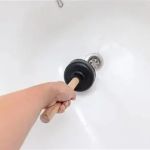 How to Fix and Unclog a Bathtub Drain Like a Pro
 Step-by-Step Guide to Clogged Drains and How to Fix Them
 Is It Safe to Installing a New Toilet
 How Often Should You Check Low Water Pressure in Your Home