
- 1 - Common Causes of Clogged Drains
- 2 - Mistakes to Avoid When Fixing Clogged Drains
- 3 - How to Avoid Common Drain Problems
- 4 - When to Call a Plumber for Clogged Drains
- 5 - Prevention Tips for Clogged Drains
1 - Common Causes of Clogged Drains
Clogged drains are one of the most common plumbing issues homeowners face. While it may seem like an annoying inconvenience, understanding what causes these blockages can help you avoid them. Common culprits for clogged drains include:
- Grease and Fat: Pouring grease down the drain, especially in the kitchen, is a leading cause of clogs. Over time, grease hardens and creates a thick sludge that obstructs water flow.
- Hair: Long hair, especially in the bathroom sink or shower, can accumulate in the drain and create a tangled mess that restricts water flow.
- Soap Scum: Soap scum buildup, particularly from bar soaps, can form a sticky layer in the drain pipes that traps debris, leading to clogs.
- Food Waste: Not all food waste belongs down the garbage disposal. Hard foods, fibrous vegetables, or large chunks of food can cause blockages in kitchen drains.
- Foreign Objects: Items such as paper towels, cotton balls, or toys can accidentally fall into drains, causing immediate blockages.
2 - Mistakes to Avoid When Fixing Clogged Drains
Many homeowners make simple yet costly mistakes when trying to fix clogged drains. Here are some common blunders to avoid:
- Using Harsh Chemical Drain Cleaners: While chemical drain cleaners may seem like an easy fix, they can damage your pipes over time. These chemicals are harsh and can cause corrosion or worsen blockages.
- Ignoring the Root Cause: Often, the blockage isn’t just caused by one factor. If you're not addressing the underlying issue, such as improper drainage or a buildup of hair, the problem is likely to recur.
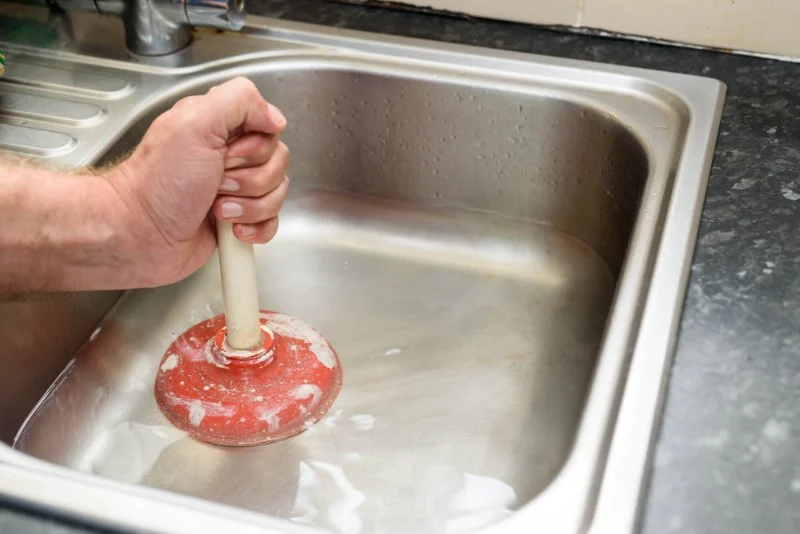
- Forcing the Plunger: While plunging is effective for some types of clogs, using excessive force can break pipes or push the debris further down the drain, making the problem worse.
- Delaying Repairs: Putting off repairs, even if the drain is only slightly clogged, can lead to more severe issues later on. Small clogs can turn into major blockages if not addressed quickly.
- Not Using the Right Tools: If you attempt to fix a clog with the wrong tools, like a basic household plunger instead of a plumber’s snake, it can be ineffective and possibly worsen the issue.
3 - How to Avoid Common Drain Problems
Preventing clogged drains starts with good habits. Here are some tips to avoid common drain problems:
- Use Drain Screens: Install drain screens or filters to catch hair, food scraps, and other debris before they enter your drains.
- Disposal Habits: Be mindful of what you dispose of down the kitchen sink. Avoid pouring grease, fibrous vegetables, or large food scraps down the drain.
- Regularly Clean Drains: Use natural cleaning methods, such as pouring a mixture of vinegar and baking soda down your drains, to break down any soap scum or buildup.
- Rinse After Use: Run hot water down the sink after every use to prevent grease and food particles from hardening inside the pipes.
4 - When to Call a Plumber for Clogged Drains
While DIY methods work for minor clogs, some situations require professional help. Here are a few instances when it’s time to call a plumber:
- Persistent Clogs: If the clog doesn’t go away after several attempts with a plunger or drain cleaner, it’s time to call a plumber.
- Multiple Clogged Drains: When more than one drain is clogged, it might indicate a larger issue with your plumbing system that requires a professional diagnosis.
- Frequent Blockages: If clogs occur frequently, it could be a sign of a more serious problem, such as a tree root intrusion or a collapsed pipe.
5 - Prevention Tips for Clogged Drains
Prevention is key when it comes to avoiding clogged drains. By taking these preventative measures, you can keep your drains in good working condition:
- Install Drain Guards: Drain guards or screens can help catch debris before it enters the pipes.
- Be Mindful of What You Flush: Avoid flushing non-degradable items like paper towels, hygiene products, or even food scraps down your toilet or sink.
- Regular Maintenance: Perform regular maintenance on your plumbing, such as cleaning drains and checking for leaks.
- Proper Garbage Disposal Use: Only put small, soft food scraps in the garbage disposal, and always run water while using it to avoid clogs.
For professional plumbing advice and services, visit PlumberNear to connect with trusted experts who can help with clogged drains and other plumbing needs.


 Guarded Plumbing LLC4.0 (21 reviews)
 J&C Plumbing and Sewer Service, Inc.4.0 (272 reviews)
 Gould Plumbing & Heating4.0 (37 reviews)
 Order A Plumber Inc.5.0 (3 reviews)
 Blanchard Oil Company4.0 (51 reviews)
 Fairfax Electric Plumbing-Gas4.0 (160 reviews)
 Beginner's Guide to Installing a New Toilet: Step-by-Step Tips
 Signs You Need Sewer Line Backups Resolved Immediately
 How to Fix and Unclog a Bathtub Drain Like a Pro
 Step-by-Step Guide to Clogged Drains and How to Fix Them
 Is It Safe to Installing a New Toilet
 How Often Should You Check Low Water Pressure in Your Home