
How to Fix a Broken Water Heater: A Step-by-Step Guide
Dealing with a broken water heater can be frustrating, especially when you’re left without hot water. Whether you're facing inconsistent temperature, no hot water at all, or strange noises coming from your heater, understanding how to diagnose and fix a broken water heater can save you time, money, and stress. In this guide, we’ll walk you through common water heater issues and provide easy-to-follow steps to repair them. If you're not comfortable with DIY repairs, we’ll also explain when it's best to call a professional.
- Common Water Heater Issues
- Tools You'll Need to Repair Your Water Heater
- Step-by-Step Guide to Repairing Your Water Heater
- When to Call a Professional
- Preventative Maintenance for Your Water Heater
1. Common Water Heater Issues
Before diving into repairs, it's important to understand the most common problems that affect water heaters. Here are some issues you may encounter:
- No Hot Water: This is the most common problem. It may be caused by a tripped circuit breaker, a faulty thermostat, or a broken heating element.
- Inconsistent Water Temperature: If your water heater is producing water that’s too hot or not hot enough, the issue could be a malfunctioning thermostat or a sediment build-up inside the tank.
- Strange Noises: A popping or rumbling sound coming from your water heater is usually caused by sediment accumulation in the tank. This can interfere with heating efficiency and lead to overheating.
- Leaking Water Heater: Leaks can be caused by a faulty valve, a crack in the tank, or worn-out seals. These should be addressed immediately to prevent water damage.
2. Tools You'll Need to Repair Your Water Heater
Before starting any water heater repairs, make sure you have the necessary tools to get the job done. Here’s a list of items you may need:
- Screwdrivers: Both flathead and Phillips screwdrivers will be necessary for removing access panels and parts.
- Multimeter: This tool helps you test electrical components, like the thermostat and heating elements, to see if they’re working properly.
- Wrench: A pipe wrench is useful for loosening and tightening the nuts on water pipes or valves.
- Bucket: To catch any water during the repair process, especially when draining the tank or dealing with leaks.
- Flame Source (for gas water heaters): If you're working on a gas-powered water heater, you may need a pilot light flame source to reignite the burner.
3. Step-by-Step Guide to Repairing Your Water Heater
Once you’ve identified the issue, here’s how you can attempt to fix your water heater. Follow these steps carefully to ensure a successful repair:
- Turn off Power and Water Supply: Before starting any repair, always ensure your safety. Turn off the water and power supply to the water heater. For electric water heaters, turn off the circuit breaker, and for gas heaters, turn off the gas valve.
- Check the Thermostat: A malfunctioning thermostat could be causing inconsistent temperatures. Use a multimeter to check if the thermostat is working. If it’s faulty, you can replace it with a new one.
- Inspect the Heating Element: The heating element might be the culprit if there’s no hot water. Remove the access panel and check the element for any visible damage. Use a multimeter to test for continuity—if the element is broken, it will need to be replaced.
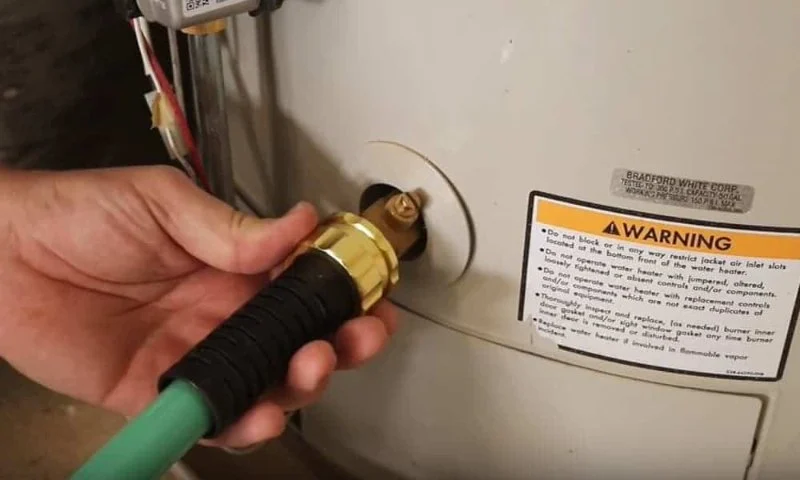
- Drain the Tank (if necessary): If you're dealing with sediment build-up or a leak, draining the tank is often necessary. Attach a hose to the drain valve and empty the tank into a suitable location. This will also help if you're replacing the anode rod to prevent rust build-up.
- Fix the Leak: If you notice a leak, inspect the valves, seals, or the tank itself. Leaks around the valve can usually be fixed by replacing the valve or tightening the connections. If the tank is leaking, it may be time to replace the water heater altogether.
4. When to Call a Professional
While many water heater issues can be fixed with basic tools and knowledge, there are situations where it’s best to call a professional plumber:
- Severe Leaks: If the tank itself is leaking, it’s generally not a fixable issue, and you’ll need a new water heater.
- Gas Water Heater Issues: If you're dealing with a gas-powered water heater, any issue related to the gas lines or burner system should be handled by a professional for safety reasons.
- Electrical Troubleshooting: If you’re uncomfortable with electrical components or lack the proper tools, a professional can ensure that your electrical system is safe and functioning properly.
5. Preventative Maintenance for Your Water Heater
To avoid future water heater issues, performing regular maintenance is key. Here are some maintenance tips to keep your water heater running smoothly:
- Flush the Tank: At least once a year, drain the tank to remove sediment build-up, which can cause your water heater to overheat and become less efficient.
- Check the Temperature Setting: Set your water heater’s thermostat to 120°F to ensure optimal efficiency and avoid scalding risks.
- Inspect the Anode Rod: Check the anode rod every 1-2 years and replace it if it’s worn down. This will help prevent rust from forming inside the tank.
- Test the Pressure Relief Valve: Once a year, test the pressure relief valve to ensure it’s working correctly. This valve helps prevent the tank from overheating and potentially exploding.
If you're in need of professional plumbing services or water heater replacement, visit PlumberNear for expert assistance and high-quality products to keep your water heater in top condition.
 Guarded Plumbing LLC4.0 (21 reviews)
 J&C Plumbing and Sewer Service, Inc.4.0 (272 reviews)
 Gould Plumbing & Heating4.0 (37 reviews)
 Order A Plumber Inc.5.0 (3 reviews)
 Blanchard Oil Company4.0 (51 reviews)
 Fairfax Electric Plumbing-Gas4.0 (160 reviews)
 Beginner's Guide to Installing a New Toilet: Step-by-Step Tips
 Signs You Need Sewer Line Backups Resolved Immediately
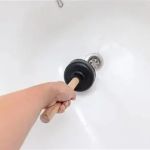 How to Fix and Unclog a Bathtub Drain Like a Pro
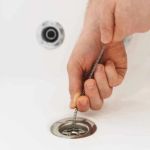 Step-by-Step Guide to Clogged Drains and How to Fix Them
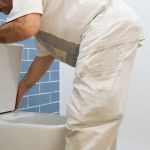 Is It Safe to Installing a New Toilet
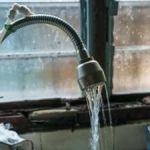 How Often Should You Check Low Water Pressure in Your Home