
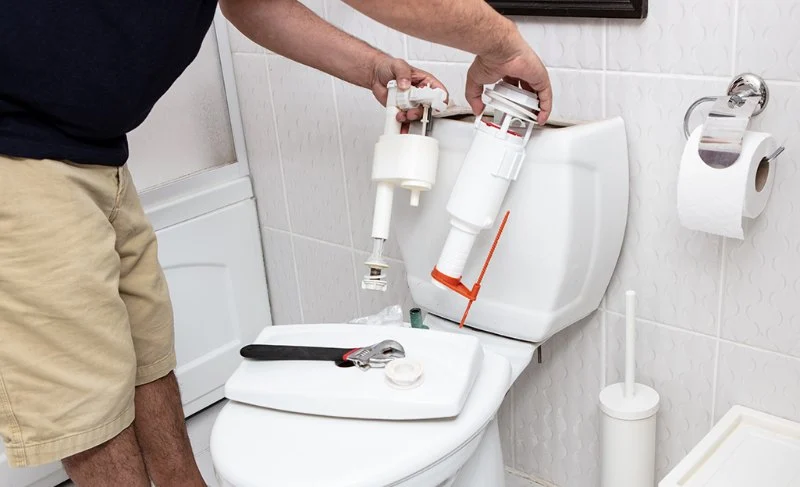
How Much Does It Cost to Fix a Running Toilet? Understanding Repair Costs
- Why a Running Toilet Can Be Costly
- Common Causes of a Running Toilet
- Factors That Influence the Cost of Repairing a Running Toilet
- Average Cost to Fix a Running Toilet
- How to Prevent a Running Toilet
Why a Running Toilet Can Be Costly
A running toilet may seem like a minor inconvenience, but it can lead to significant water wastage and higher utility bills. When a toilet runs continuously, water is constantly flowing into the bowl, causing your water meter to spin even when you're not using the toilet. Over time, this can add up to hundreds of dollars in wasted water costs.
Besides the financial implications, a running toilet can also signal a bigger underlying plumbing issue. It's essential to address the problem promptly to avoid further damage and avoid unnecessary repairs down the line.
Common Causes of a Running Toilet
There are several reasons a toilet might keep running. Identifying the root cause can help determine the exact solution and associated costs. Some common causes include:
- Flapper Valve Issues: The flapper valve is responsible for sealing the flush valve. If it doesn’t close properly, water will continue to leak into the toilet bowl.
- Faulty Fill Valve: The fill valve controls the water level in the tank. If it’s malfunctioning, it can cause the tank to keep refilling, leading to a running toilet.
- Broken Float Mechanism: The float tells the fill valve when to stop filling the tank. If the float is set too high or is damaged, it can cause water to overflow or constantly fill the tank.
- Worn-Out Parts: Over time, the various components of a toilet, such as washers, seals, and gaskets, can wear out, causing leaks and running water.
Factors That Influence the Cost of Repairing a Running Toilet
The cost to fix a running toilet can vary depending on a variety of factors. Here are some of the key factors that can affect the price:
- The Severity of the Problem: Simple issues like adjusting the float or replacing a flapper may be inexpensive, while more complex issues like a faulty fill valve or broken parts might require a more extensive repair, which can be more costly.
- Location and Labor Costs: The cost of hiring a plumber depends on where you live and the plumber’s hourly rate. Urban areas with a higher cost of living typically have higher service fees.
- DIY vs. Professional Help: If you opt to fix the problem yourself, it can save you labor costs. However, plumbing issues can be tricky, and if you're not confident, hiring a professional is the safest choice to avoid further damage.
- Parts and Materials: The price of replacement parts like flappers, fill valves, and floats can vary depending on the brand and quality. Higher-end or specialized parts may cost more.
Average Cost to Fix a Running Toilet
On average, the cost to repair a running toilet ranges from $100 to $300. However, the final price can vary depending on the factors mentioned earlier. Here’s a breakdown of potential costs:
- DIY Repairs: If you have the tools and knowledge, you can typically repair a running toilet for under $50 by replacing the flapper or adjusting the float yourself.
- Professional Repairs: Hiring a plumber to fix a running toilet usually costs between $100 and $200, depending on the severity of the issue and labor rates in your area.
- Major Repairs or Replacements: If the problem is more extensive (such as a damaged fill valve or plumbing issues), the cost could rise to $300 or more for parts and labor.
How to Prevent a Running Toilet
Preventing a running toilet involves regular maintenance and staying on top of potential issues. Here are some tips to avoid this problem in the future:
- Check for Leaks: Regularly check the toilet tank and bowl for any signs of water leakage. A quick check can help you identify problems early on before they become major issues.
- Replace Parts Periodically: Over time, parts like the flapper, fill valve, and float can wear out. Replacing these parts as part of regular maintenance can prevent future problems.
- Avoid Overfilling the Tank: Make sure the water level in the tank is set to the proper height. An overfilled tank can lead to constant water flow and a running toilet.
By taking these simple steps, you can help extend the life of your toilet and avoid costly repairs in the future.
 Guarded Plumbing LLC4.0 (21 reviews)
 J&C Plumbing and Sewer Service, Inc.4.0 (272 reviews)
 Gould Plumbing & Heating4.0 (37 reviews)
 Order A Plumber Inc.5.0 (3 reviews)
 Blanchard Oil Company4.0 (51 reviews)
 Fairfax Electric Plumbing-Gas4.0 (160 reviews)
 Beginner's Guide to Installing a New Toilet: Step-by-Step Tips
 Signs You Need Sewer Line Backups Resolved Immediately
 How to Fix and Unclog a Bathtub Drain Like a Pro
 Step-by-Step Guide to Clogged Drains and How to Fix Them
 Is It Safe to Installing a New Toilet
 How Often Should You Check Low Water Pressure in Your Home