
- #understanding-clogged-drains—Why Drains Become Clogged
- #first-steps—Initial Actions to Take When a Drain Gets Blocked
- #safe-methods—Safe and Effective Ways to Clear Clogged Drains
- #when-to-call—When It’s Time to Contact a Professional Plumber
Why Drains Become Clogged
Dealing with clogged drains is one of the most common frustrations for American homeowners. Whether it starts as a slow drain or turns into a complete backup, understanding the cause is the first step to fixing the problem. In most cases, blocked drains are triggered by a combination of debris buildup, improper disposal habits, and natural wear in your plumbing system.
Kitchen drains often clog due to grease, food particles, and soap residue that solidify over time. Bathroom drains collect hair, toothpaste, and skincare products, forming a thick obstruction that restricts water flow. Outdoor drains may be blocked by leaves, soil, and roots searching for moisture. In many homes, small clogs become major ones simply because they go unnoticed for too long.
A real example many homeowners share online involves kitchen sinks backing up during holiday gatherings. With more cooking and dishwashing than usual, grease-laden pans get rinsed into the sink, causing sudden blockages. These common scenarios highlight why regular attention to drain health is essential.
Go Green Plumbing, Heating, Air & Electrical / go green plumbing heating and air
GreensboroGuilford CountyNorth Carolina
300 Pomona Dr, Greensboro, NC 27407, USA
Initial Actions to Take When a Drain Gets Blocked
When you first notice signs of clogged drains, such as gurgling noises, slow draining, or foul odors, it’s important to respond promptly. The longer a clog sits, the more severe—and costly—the problem becomes. Instead of panicking, start with practical first-step actions that can prevent further damage.
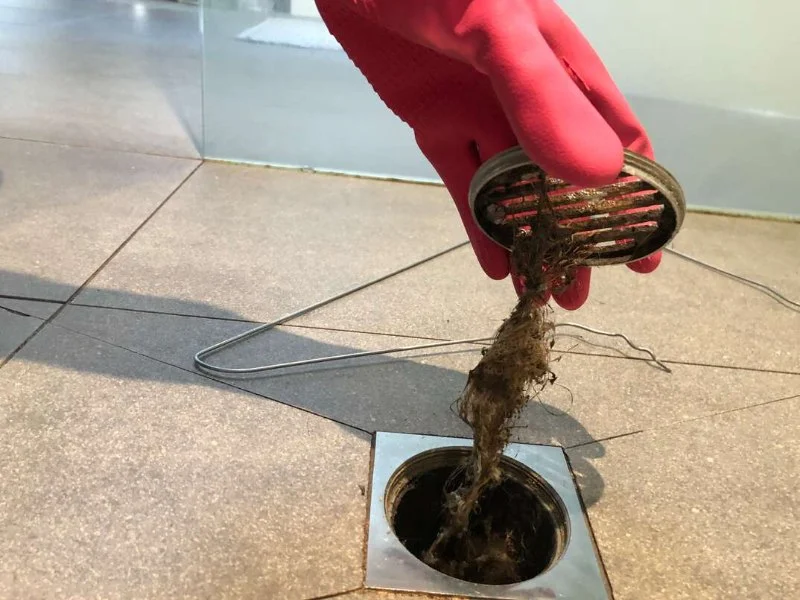
One of the simplest things you can do is stop using the affected sink, shower, or toilet immediately. Adding more water to an already-blocked drain only increases pressure and may force the clog deeper into the pipes. You can also check for visible obstructions near the drain opening. For instance, in showers, hair often sits just beneath the surface and can be pulled out manually with gloves.
Another helpful initial action is to run hot water—not boiling—down the drain. This can help melt away soap residue or grease-related build-up, providing temporary relief. These basic steps often restore some drainage and give you time to assess the situation more clearly.
O'Neill Bros. Plumbing / oneill plumbing
RockvilleMontgomery CountyMaryland
12348 Wilkins Ave, Rockville, MD 20852, USA
Safe and Effective Ways to Clear Clogged Drains
Once you’ve taken initial precautions, you can begin trying safe methods to clear the clog. Many homeowners reach for chemical drain cleaners first, but these products often do more harm than good. Harsh chemicals can corrode pipes, damage fixtures, and create toxic fumes. Instead, consider safer options that are proven to help without risking your plumbing system.
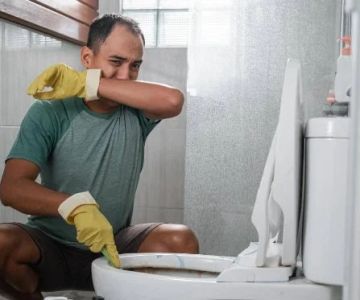
1. Use a plunger properly. A plunger is often one of the most effective tools for clogged drains, especially in sinks and toilets. The key is to create a tight seal and use repeated, controlled thrusts to dislodge the blockage.
2. Try a drain snake or hair tool. Manual drain snakes can reach deeper into pipes than a plunger. They are particularly useful for hair-related clogs in bathroom drains. Many homeowners share stories of discovering large clumps of hair and soap buildup that were easily removed with a simple plastic tool.
3. Use a baking soda and vinegar reaction. This natural combination can help loosen soft clogs and eliminate odors. Pour baking soda into the drain, follow it with vinegar, and allow the reaction to break down residue before rinsing with warm water.
4. Flush with hot water. After removing debris, flushing the drain with sustained hot water helps dissolve lingering residue and restore smoother flow.
These solutions are safe, inexpensive, and ideal for homeowners who want to handle minor blockages without risking damage to their pipes.
When It’s Time to Contact a Professional Plumber
Even with the best at-home methods, some clogged drains require expert help. If you notice recurring blockages, foul odors that don’t go away, slow drains throughout the entire house, or water backing up into multiple fixtures, these are signs of deeper plumbing issues that DIY solutions can’t fix.
One common online case involved a homeowner who kept clearing the same bathroom drain every few weeks. Eventually, they learned the real issue was a partial blockage in the main sewer line—a problem only professionals can diagnose with specialized equipment. Ignoring such signs can lead to major water damage and costly repairs.
When you reach the point where professional help is needed, you can rely on resources like PlumberNear to find trusted plumbing services in your area. Whether you’re facing a stubborn clog, recurring issues, or a plumbing emergency, having a reliable referral source ensures you get expert help quickly.
Understanding what to do when clogged drains disrupt your routine empowers you to act confidently and protect your home. With smart prevention, safe cleaning methods, and the right professional support when needed, clogged drains become far less daunting.
 Sophia Mechanical Group5.0 (40 reviews)
 Richard Matthew Plumbing0.0 (0 reviews)
 Jeffrey Plumbing4.0 (124 reviews)
 National Plumbing & Heating Inc4.0 (19 reviews)
 Kevin Jones Plumbing Inc.5.0 (5 reviews)
 R & R Plumbing4.0 (20 reviews)
 What to Do If Frozen Pipes Burst: A Complete Guide for Homeowners
 When Should You Call a Plumber for Unclogging a Bathtub Drain
 How to Choose Between Repairing or Replacing a Bathtub Drain
 Avoid These Mistakes When Clogged Drains: Expert Tips for Homeowners
 How Long Does It Take to Choose the Right Pipe Materials
 Expert Advice on Installing a New Toilet – Tips from Plumbing Professionals