
Replacing Old Plumbing Pipes: Real-World Costs and Smart Planning
- What-Replacing-Old-Pipes-Really-Includes
- Typical-Price-Ranges-and-What-They-Mean
- What-Drives-the-Cost-Up-or-Down
- Choosing-Materials-PEX-vs-Copper-vs-PVC
- How-to-Get-Accurate-Quotes-and-Avoid-Surprises
- A-Homeowner-Story-From-Drips-to-a-Full-Repipe
- When-Replacement-Is-Worth-It-and-Your-Next-Step
What Replacing Old Pipes Really Includes
When people ask, “What is the cost to replace old plumbing pipes?”, they’re usually picturing one big project: a plumber shows up, swaps out the old lines, and the water runs clear again. In real life, “pipe replacement” can mean a few very different jobs—each with its own price tag and disruption level.
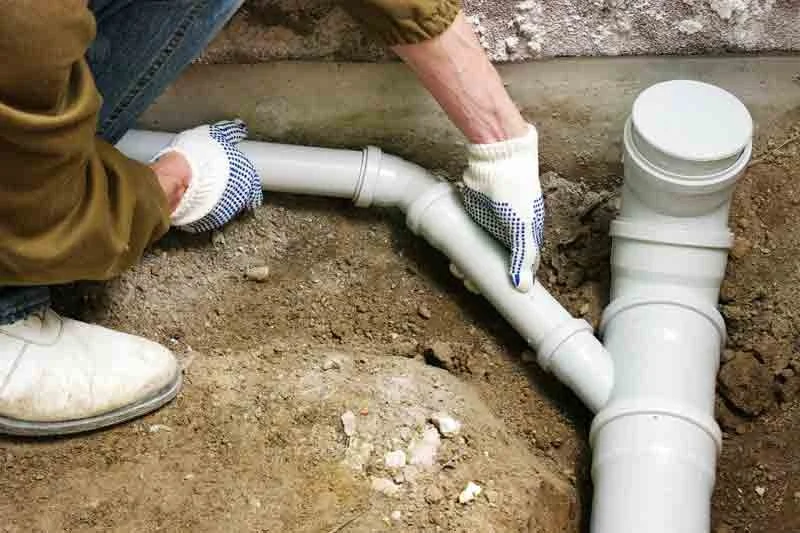
Some homes need a targeted replacement, like a single corroded section in a basement run. Others need a full repipe, where the supply lines throughout the home are replaced (common in older houses with galvanized steel, polybutylene, or aging copper). And sometimes, the drain and waste lines need attention too, especially if the home has recurring clogs, tree root intrusion, or brittle older piping.

Landry Mechanical Inc Plumbing HVAC & Electric / landry mechanical
FraminghamMiddlesex CountyMassachusetts
763 Waverly St unit 32, Framingham, MA 01702, USA
Typical Price Ranges and What They Mean
In the U.S., the cost to replace old plumbing pipes varies widely because homes vary widely. A small, easy-access job might cost far less than a full-house repipe in a tight, finished home.
O'Neill Bros. Plumbing / oneill plumbing
RockvilleMontgomery CountyMaryland
12348 Wilkins Ave, Rockville, MD 20852, USA
1. Whole-house repipe ranges
1.1 What many homeowners see as a realistic “full repipe” range
For a typical single-family home, a full repipe often lands somewhere in the low thousands to the mid five figures. This wide window usually reflects access (crawl space vs. slab), number of bathrooms, and whether walls must be opened and repaired afterward.
1.2 Why an “average” can mislead
You’ll sometimes hear a single average number thrown around, but averages hide what matters most: the difficulty of running new pipe through your specific house. Two homes with the same square footage can have totally different costs depending on layout, ceiling height, how finished the basement is, and whether there’s a clean route to the bathrooms and kitchen.
2. Per-foot costs for piping materials and labor
2.1 Material costs per linear foot
Material prices commonly fall into these broad ranges: PEX is usually the most budget-friendly for supply lines, copper costs more, and PVC is commonly used for drain lines. Material type alone can swing a quote noticeably, especially in larger homes with longer runs.
2.2 Labor costs per linear foot
Labor can be just as significant as materials. In many repipe quotes, what you are really paying for is skilled routing, safe connections, code-compliant installation, and the time it takes to access tough areas without turning your home into a construction zone.
What Drives the Cost Up or Down
If you want a quote that feels predictable instead of mysterious, focus on the “cost drivers.” These are the line items that quietly decide whether your estimate is manageable—or the kind of number that makes you stare at your ceiling in silence.
3. House layout and accessibility
3.1 Crawl space, basement, or slab foundation
Homes with accessible basements or crawl spaces often cost less to repipe because the plumber can route new lines with minimal wall opening. Slab foundations can raise costs because some pipe runs are harder to access, and the routing plan may require more creative pathways through walls and ceilings.
3.2 How “finished” your home is
A repipe in an unfinished basement is very different from a repipe behind custom tile, built-ins, and freshly painted walls. Even if the plumbing part is the same, the access strategy—and the repairs afterward—can change the total cost dramatically.
4. Number of fixtures and bathrooms
4.1 More bathrooms equals more branching and more connections
Every sink, toilet, shower, tub, dishwasher, and fridge line adds branches, fittings, and time. A two-bath home is usually simpler (and often cheaper) than a three- or four-bath layout with multiple wet walls.
4.2 Older fixture shutoffs and valves
In older homes, the shutoff valves might be outdated or seized. Replacing them during a repipe is often a smart move, but it adds cost—one of those “small upgrades” that can save headaches later.
5. Permits, inspections, and patching
5.1 Permitting is not just paperwork
Permits and inspections can protect you. They ensure the work meets local code, which matters for safety, insurance claims, and resale. Some homeowners skip this to save money, but it can backfire if problems show up during a home sale or after a leak.
5.2 Drywall and finish repairs
Not every plumbing company includes patching and repainting. Some do, some don’t. Always clarify whether your quote includes opening walls, closing walls, texture matching, and paint touch-ups, because this can be a major “surprise” cost if you assume it’s included.
Choosing Materials: PEX vs. Copper vs. PVC
A big part of “What is the cost to replace old plumbing pipes?” comes down to what you’re replacing them with. Material choice affects not only price, but also how the job is performed and how your system behaves long-term.
6. PEX supply lines
6.1 Why PEX can lower labor time
PEX is flexible, which often means fewer fittings and faster routing through tight spaces. That can reduce labor hours and cut down on wall openings in many homes.
6.2 What to ask about PEX quality
Not all fittings and installation methods feel the same. Ask what type of PEX (A, B, or C) is being used, what fitting system is planned, and whether the plumber is including a manifold setup or traditional branching.
7. Copper supply lines
7.1 Why copper costs more
Copper materials cost more, and the installation is typically more labor-intensive. Many homeowners still choose copper for its long track record and performance in hot-water lines.
7.2 Where copper makes the most sense
If you’re in a region or a home setup where copper is preferred for durability or code expectations, it can be worth the extra cost—especially if the home is being renovated and walls are already open.
8. PVC for drain and waste
8.1 Common use case
PVC is widely used for drain, waste, and vent piping. Replacing old drain lines can reduce recurring clogs, odors, and slow drains, but it can also involve more demolition depending on how the system is embedded.
8.2 Why drain work can feel unpredictable
Drain line issues aren’t always visible until sections are opened. If you’re replacing old drain pipes because of root intrusion or repeated backups, ask whether the contractor anticipates spot repairs or a broader replacement strategy.
How to Get Accurate Quotes and Avoid Surprises
Here’s the practical truth: you don’t get control over the final number by guessing. You get control by asking better questions and comparing quotes the right way.
9. What to ask for in an estimate
9.1 Scope clarity
Ask the plumber to clearly state what is included: supply lines only, or supply plus drain lines; fixture shutoff replacement; pressure regulator checks; water heater reconnection; permits; and wall patching.
9.2 A written plan for routing
If you have a multi-story home, a slab foundation, or a finished basement, ask how they plan to run the new piping. The routing plan is often the difference between a smooth project and a messy one.
10. How to compare multiple bids
10.1 Compare apples to apples
The cheapest quote can be missing important items like permits, shutoff valves, drywall repair, or upgraded connections. A higher quote might actually be a better deal if it includes a complete, code-compliant scope and cleanup.
10.2 Ask about warranties and future service
A strong warranty, clear documentation, and a contractor who will actually come back if something needs adjustment can be worth paying for.
A Homeowner Story: From Drips to a Full Repipe
A homeowner I spoke with in a 1960s ranch originally planned to “just fix the leak” under the kitchen sink. The leak was real, but the bigger problem was hidden: every time the plumber touched one corroded joint, another weak point showed up. The water pressure was inconsistent, the laundry lines had visible rust staining, and a few fittings looked like they were one bad day away from failing.
They got two quotes: one for patch repairs and one for a partial repipe focusing on the kitchen, laundry, and main trunk line. After comparing the long-term risk, they chose the partial repipe. It cost more up front, but it stabilized water pressure, eliminated repeat service calls, and reduced the anxiety of “what’s going to burst next?”
Six months later, when they remodeled the bathrooms, they extended the repipe to complete the system. That staged approach kept the project financially manageable while still making meaningful progress.
When Replacement Is Worth It and Your Next Step
Replacing old pipes is worth serious consideration when you’re seeing frequent leaks, rust-colored water, low water pressure, repeated pipe repairs in different areas, or evidence of corroded/aging pipe material (especially galvanized steel or known-problem piping). It can also make sense during major renovations, because open walls dramatically reduce labor and repair costs.
11. Smart ways to move forward without overpaying
11.1 Start with a focused inspection
If you’re unsure whether you need a full repipe, ask for an inspection that includes pipe material identification, visible corrosion checks, pressure readings, and a realistic risk assessment. A good pro will explain what’s urgent, what can wait, and what’s most cost-effective.
11.2 Build a “real budget,” not a wish budget
Set aside a contingency for wall repairs, valve upgrades, and permit fees if your home is older or heavily finished. The best budgets acknowledge reality and keep you from panic decisions mid-project.
If you came here asking, What is the cost to replace old plumbing pipes? the best next step is to get a written repipe estimate that matches your home’s layout and your goals. When you’re ready to take action, explore modern pipe options (PEX or copper), quality fittings, shutoff valves, and water-line accessories from a trusted plumbing supply retailer so you can compare materials confidently before the work begins.


 Kino's Plumbing and Drain5.0 (64 reviews)
 George´s Drain Cleaning Services4.0 (27 reviews)
 Johnson's Plumbing & Heating5.0 (8 reviews)
 Glenn's Plumbing Services, Inc.3.0 (3 reviews)
 JJ&P Services LLC5.0 (6 reviews)
 Terry's Plumbing & Utilities2.0 (10 reviews)
 How to Fix Low Water Pressure
 Best Ways to Maintaining Your Plumbing System – Expert Tips for U.S. Homeowners
 How to Install a Backflow Preventer at Home
 Expert Advice on Choosing the Right Pipe Materials for Your Home
 Ultimate Guide to Finding a Reliable Plumber in the U.S.
 Top Tips for Choosing the Right Pipe Materials for Your Plumbing Needs