
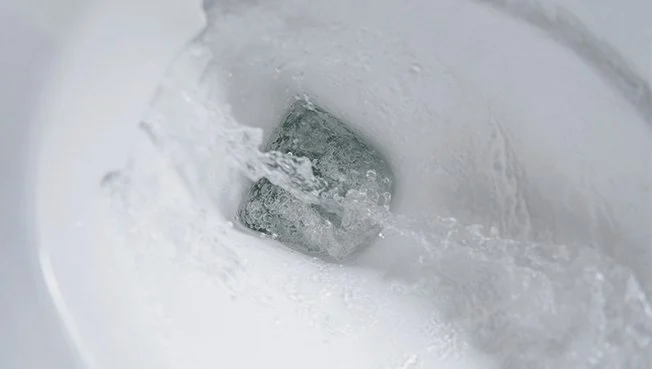
Toilet Won’t Stop Running After You Flush? Here’s What’s Really Going On
- quick-why-toilet-runs
- most-common-causes
- step-by-step-diagnosis
- fixes-you-can-do-today
- when-to-call-a-pro
- prevent-it-from-coming-back
- upgrade-parts-for-a-permanent-fix
1. The Quick Answer: Why a Toilet Runs After Flushing
If you’re asking, “Why is my toilet running after flushing?” the simplest explanation is this: water is still moving through the tank because the refill system never fully “shuts off,” or the tank is quietly leaking water into the bowl and the fill valve keeps trying to replace it.
In most homes, a running toilet comes down to a few parts that do a surprisingly big job: the flapper, the fill valve, the float, and the overflow tube. When one of them is worn, misaligned, or dirty, the toilet can keep running long after the flush—sometimes loudly, sometimes so quietly you only notice when the water bill shows up.

Warrior Plumbing & Heating / warrior plumbing
4123 Roland Ave, Baltimore, MD 21211, USA
2. The Most Common Causes Behind a Running Toilet
2.1 The Flapper Isn’t Sealing (Most Common)
The flapper is the rubber (or silicone) seal at the bottom of the tank that lifts when you flush and closes when the tank empties. If it doesn’t seal tightly, water leaks into the bowl continuously. The tank level drops, the fill valve turns on, and you get that endless refill cycle.
What makes flappers fail? Age, mineral buildup, and slight warping are the big three. Even a tiny leak is enough to keep the toilet “chasing” the correct water level all day.
Sewer Xpress Corp / pipe xpress inc
Eastampton TownshipBurlington CountyNew Jersey
649 Powell Rd, Eastampton Township, NJ 08060, USA
2.2 The Chain Is Too Short or Too Long
A chain that’s too tight can prevent the flapper from closing fully. A chain that’s too loose can get stuck under the flapper. Either way, you’ve got a seal that’s not sealing—and a toilet that keeps running after the flush.
2.3 The Fill Valve Is Dirty or Worn
The fill valve is the part that refills the tank after a flush. Over time, sediment and mineral deposits can affect how it shuts off. Sometimes it keeps running because it never senses “full,” and sometimes it cycles on and off because the tank is losing water elsewhere.
2.4 The Float Is Set Too High
The float controls when the fill valve stops. If the float sits too high, the water level rises and can spill into the overflow tube. That means water is constantly escaping, and the fill valve keeps replacing it—like trying to fill a bucket with a hole.
2.5 The Overflow Tube Is Acting Like a Drain
If water is visibly flowing into the overflow tube (or the tank water line is above the tube’s top), you’ll get constant running. This usually points to a float setting issue or a fill valve problem.
3. A Simple Diagnosis Routine That Actually Works
3.1 The “Listen and Look” Check
Take the tank lid off and flush once. Watch what happens when the tank refills. You’re looking for two clues:
First clue: does the tank refill and then stop cleanly? If not, the fill valve or float may be the problem.
Second clue: after it “stops,” does it start again a few minutes later? That’s usually a slow leak through the flapper.
3.2 The Dye Test for Hidden Leaks
This is the test that convinces even the most skeptical homeowners. Add a few drops of food coloring to the tank water and wait 10–15 minutes without flushing. If you see tinted water in the bowl, the tank is leaking into the bowl—almost always a flapper or flush valve seal issue.
3.3 Check the Water Level Line
Most toilets work best when the water level sits about 1 inch below the top of the overflow tube (many tanks also have a marked line). If the water is reaching the overflow tube, adjust the float down slightly and see if the running stops.
4. Fixes You Can Do Today (No Fancy Tools Required)
4.1 Reseat and Clean the Flapper
Turn off the water supply valve (usually behind the toilet), flush to empty the tank, then gently wipe the flapper and the flush valve seat (the ring it seals against). If there’s slime, grit, or mineral buildup, even a good flapper can leak.
If the flapper looks cracked, stiff, or misshapen, cleaning won’t be enough—replacement is the smarter move.
4.2 Adjust the Chain for a Proper Seal
The chain should have a little slack—enough that the flapper can fully close, but not so much that the chain can fall under it. A good rule: aim for about 1/2 inch of slack. Flush once and confirm the flapper drops cleanly every time.
4.3 Lower the Float to Stop Overflow
If water is running into the overflow tube, lower the float slightly. Depending on your toilet, this might mean turning a small screw or sliding a clip. The goal is a stable tank level that stops below the overflow tube and shuts the fill valve off reliably.
4.4 Clean or Replace the Fill Valve
If the water level is correct but the tank still won’t stop filling, the fill valve may be the culprit. Some fill valves can be cleaned (especially if sediment is the issue). If the valve is older, replacement is often faster than fighting with inconsistent shutoff.
From a “real life” perspective: a new fill valve is one of those repairs that feels almost unfairly effective. You do it once, and the toilet suddenly behaves like it’s brand new again.
5. When It’s Time to Call a Pro
Most running-toilet issues are DIY-friendly, but a few situations deserve professional help:
1. You replaced the flapper and fill valve and it still runs—this can point to a damaged flush valve seat or tank hardware issues.
2. You see water on the floor or moisture around the base—this might be a wax ring or supply line issue, which is a different category than “running after flushing.”
3. The shutoff valve won’t turn or leaks when you touch it—forcing it can create a bigger problem than the toilet itself.
6. How to Prevent a Running Toilet From Coming Back
6.1 Do a 30-Second Monthly Check
Once a month, lift the tank lid and take a quick look at the water level. If it’s creeping higher than usual, catch it early—small adjustments today can prevent a nonstop run next week.
6.2 Watch for “Phantom Flushes”
If you ever hear the toilet refill when nobody used it, that’s your warning sign. It usually means a slow leak through the flapper. Fixing it early can save money and avoid wear on the fill valve.
6.3 If You Have Hard Water, Expect Faster Wear
Mineral buildup can shorten the life of rubber seals and clog fill valves. If your area has hard water, plan on replacing wear parts a bit more often and cleaning buildup when you notice it.
7. Upgrade Parts for a Permanent Fix
If you’re tired of asking, “Why is my toilet running after flushing?” the long-term solution is usually to upgrade the parts that wear out most: a high-quality flapper (or seal) and a reliable fill valve. They’re inexpensive compared to months of wasted water, and they can turn an annoying toilet into a “set it and forget it” fixture.
To make the fix stick, look for parts that match your toilet model and are designed to resist warping and mineral buildup. If you want to compare newer, more durable replacement kits and see what’s trending right now, click here to view the latest products and learn more about the best options for a toilet running after flushing repair that actually lasts.
 D W Bahr Plumbing & Heating Co4.0 (84 reviews)
 Plumbing Plumbing & Plumbing Corp5.0 (5 reviews)
 Duranko Plumbing LLC4.0 (184 reviews)
 Barretta Plumbing, Heating & Cooling4.0 (41 reviews)
 Woburn Plumbers at Pann Home Services & Remodeling4.0 (82 reviews)
 Stinky's Plumbing & Septic2.0 (3 reviews)
 Expert Advice on Low Water Pressure: Causes and Solutions
 Is It Safe to Finding a Reliable Plumber in the U.S.?
 How to Fix a Toilet That Won’t Stop Running
 Is It Safe to Detect a Hidden Water Leak? A Complete Guide
 Step-by-Step Guide to Clogged Drains
 How Often Should You Fix a Garbage Disposal? Maintenance Tips and Recommendations