
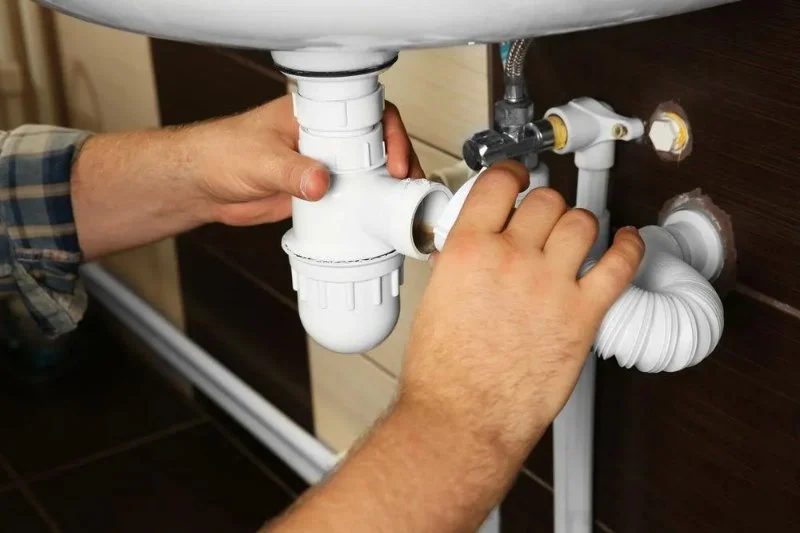
- Introduction to Plumbing Noises
- Common Plumbing Noises and Their Causes
- How to Diagnose Plumbing Noises
- Solutions and When to Call a Plumber
1. Introduction to Plumbing Noises
Plumbing noises are common in most households, but not all sounds are harmless. Certain noises coming from your pipes or fixtures can signal potential plumbing issues that need attention. Understanding what these sounds mean and when to seek professional help can save you from costly repairs and unexpected water damage. In this article, we'll explain the different types of plumbing noises, their causes, and when it's time to call a plumber.
Landry Mechanical Inc Plumbing HVAC & Electric / landry mechanical
FraminghamMiddlesex CountyMassachusetts
763 Waverly St unit 32, Framingham, MA 01702, USA
2. Common Plumbing Noises and Their Causes
Plumbing systems can produce various sounds depending on the type of issue present. Here are some of the most common plumbing noises and what they might indicate:
Bill Trombly Plumbing - Heating - Cooling - Electric / jim trombly heating
ManchesterHillsborough CountyNew Hampshire
76 Maple St, Manchester, NH 03103, USA
2.1. Banging or Hammering Sounds (Water Hammer)
Water hammer is a banging sound that occurs when water flow is abruptly stopped or changes direction. This sound typically happens when faucets are turned off quickly or when appliances like dishwashers or washing machines stop using water. The pressure of the water causes the pipes to vibrate, creating a hammering noise. If left untreated, water hammer can damage pipes and fixtures.
2.2. Gurgling or Bubbling Sounds
Gurgling noises are often heard from drains, toilets, or pipes. This can occur when there is a blockage or partial obstruction in your drainage system. Gurgling is a sign that air is trapped in the pipes, struggling to move past the blockage. If you notice gurgling sounds frequently, it might be time to check for clogs or consider professional drain cleaning.
2.3. Whistling or Hissing Sounds
If you hear a high-pitched whistling or hissing sound coming from your pipes, it could be due to restricted water flow. This may be caused by a build-up of mineral deposits, corrosion, or a faulty valve. The sound indicates that water is struggling to pass through a narrowed pipe or fixture, which may eventually lead to a leak or breakage.
2.4. Running Water Sounds
Hearing running water when no fixtures are in use can be an alarming sound. It could mean there’s a leak somewhere in your plumbing system. Leaking pipes, especially those hidden in walls or under floors, can waste water and cause damage over time. It’s important to locate and repair leaks quickly to prevent further issues.
2.5. Rattling Sounds
Rattling noises are often caused by loose pipes or plumbing components. As water flows through the pipes, it can cause them to vibrate against nearby walls, floors, or other pipes. Rattling can be fixed by securing the pipes in place, but it’s important to address the issue before it escalates to a burst pipe.
3. How to Diagnose Plumbing Noises
Properly diagnosing plumbing noises requires a keen ear and understanding of your home's plumbing system. Here are some steps you can take to diagnose the issue:
3.1. Identify the Source of the Sound
The first step in diagnosing plumbing noises is determining where the sound is coming from. Is it isolated to a specific area, like under the sink, or does it occur throughout the house? This can help narrow down whether the issue is in a specific pipe or fixture.
3.2. Check for Visible Signs of Damage
Inspect your plumbing system for any visible signs of damage, such as leaking pipes, water stains, or cracks. Pay close attention to areas where the noise is loudest, as this could indicate a source of the problem.
3.3. Consider Recent Changes
If the noise started after a recent plumbing repair or installation, there may be an issue with the work that was done. It's important to review any recent changes to your plumbing system to determine if they may be contributing to the noise.
3.4. Take Note of the Frequency
Pay attention to how often the noise occurs. Occasional sounds may be normal, but persistent or recurring noises may require professional attention. If the noise happens every time you run water, it could be a sign of a more serious issue.
4. Solutions and When to Call a Plumber
Once you've identified the type of noise and the possible causes, it’s time to consider solutions. While some minor plumbing noises can be resolved with simple fixes, others may require professional expertise. Here are some common solutions:
4.1. Fixing Water Hammer
If water hammer is causing the banging noise, you can install water hammer arrestors, which absorb the pressure change and stop the vibrations. In some cases, the air chambers in your pipes may need to be recharged or replaced. A plumber can assist with installing the proper solutions.
4.2. Clearing Blockages
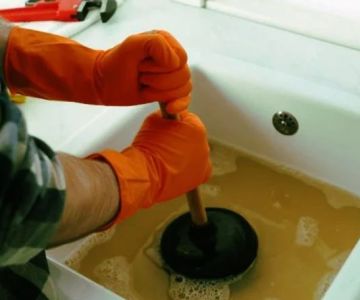
If gurgling or bubbling noises are caused by a blockage, using a plunger or drain snake may help clear minor clogs. However, stubborn blockages may require a professional drain cleaning service to ensure the entire pipe is free from debris.
4.3. Addressing Leaks and Pressure Issues
If you suspect a leak or a pressure issue, it’s important to call a plumber for a thorough inspection. Leaks may be difficult to locate on your own, especially if they’re hidden within walls or ceilings. A plumber can use specialized tools like leak detectors to find and repair the problem before it leads to major damage.
4.4. Securing Loose Pipes
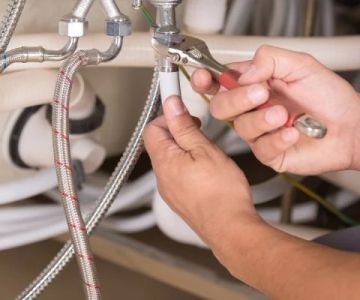
If rattling noises are caused by loose pipes, a plumber can secure them properly to eliminate the vibrations. This solution is typically quick and inexpensive but can help prevent further damage and discomfort.
When in doubt, don’t hesitate to contact a professional plumber. For reliable plumbing services in your area, visit PlumberNear for expert assistance with diagnosing and resolving plumbing noises and issues.
 JCF Plumbing & Heating4.0 (10 reviews)
 Rak Plumbing & Heating LLC4.0 (103 reviews)
 Drain Magic4.0 (311 reviews)
 Plumbing Oakton1.0 (1 reviews)
 North River Plumbing & Water Filtration Co.0.0 (0 reviews)
 Bothum's Plumbing, LLC4.0 (43 reviews)
 What to Do If Replacing Old Pipes: A Step-by-Step Guide for Homeowners
 Top Tips for Understanding Plumbing Codes
 Should I Replace or Repair Sewer Line Backups? Expert Advice
 Top Tips for Clogged Drains: How to Fix and Prevent Them
 How to Diagnose and Fix Plumbing Noises: Expert Tips for Homeowners
 Step-by-Step Guide to Fixing a Broken Water Heater