
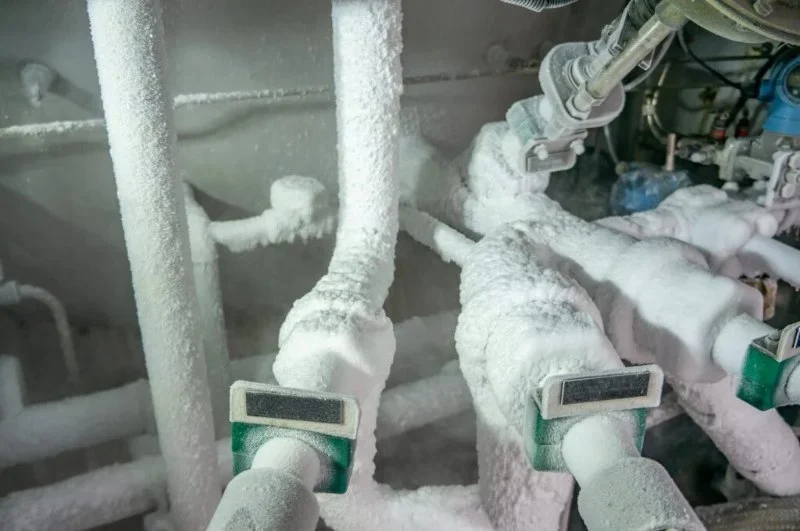
Understanding Why Your Pipes Freeze
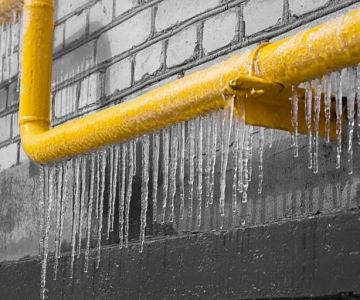
Frozen pipes are a common issue, especially during the cold winter months. When temperatures drop, the water inside your pipes can freeze, causing them to expand and potentially burst. In this article, we'll explore why pipes freeze, how to prevent it, and what you can do if it happens.
Go Green Plumbing, Heating, Air & Electrical / go green plumbing heating and air
GreensboroGuilford CountyNorth Carolina
300 Pomona Dr, Greensboro, NC 27407, USA
1. Reasons Why Pipes Freeze
Frozen pipes typically occur when the temperature falls below 32°F (0°C). However, the freezing of pipes isn't solely based on temperature—there are other factors involved:
- Unheated Areas: Pipes located in areas like basements, attics, or crawl spaces are more prone to freezing due to insufficient heating.
- Poor Insulation: Insufficient insulation around pipes allows cold air to reach them, increasing the likelihood of freezing.
- High Water Pressure: Water pressure inside pipes can contribute to bursting when frozen, as ice expands and exerts pressure on the pipe walls.
2. How to Prevent Frozen Pipes
Prevention is key to avoiding frozen pipes. Here are some practical steps you can take:
- Insulate Your Pipes: Use pipe insulation to protect pipes in unheated areas, such as basements or garages. Foam pipe insulation is a cost-effective solution.
- Keep the Heat On: Even if you're away, keep the heat running in your home at a minimum temperature of 55°F (13°C) to prevent pipes from freezing.
- Seal Gaps and Cracks: Make sure to seal any gaps around windows, doors, and where pipes enter the home to keep cold air out.
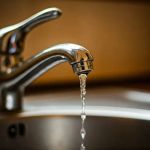
- Let Faucets Drip: If you're concerned about a particular pipe freezing, let a faucet drip slowly. Running water is less likely to freeze than standing water.
3. What to Do If Your Pipes Freeze
If you suspect your pipes are frozen, it's important to act quickly to avoid damage. Follow these steps:
- Turn Off the Water Supply: If you can locate the frozen pipe, shut off the water supply to prevent flooding if the pipe bursts.
- Thaw the Pipe: Use a hair dryer, space heater, or warm towels to gradually thaw the frozen section of the pipe. Never use an open flame.
- Check for Leaks: Once thawed, carefully inspect the pipe for cracks or leaks. If you find any, contact a plumber immediately to repair the damage.
4. When to Call a Plumber
While some homeowners may be able to handle frozen pipes on their own, there are situations where calling a plumber is the best course of action. If you cannot locate the frozen pipe, the pipe is in a difficult-to-reach area, or there are signs of damage, it's time to contact a professional.
Landry Mechanical Inc Plumbing HVAC & Electric / landry mechanical
FraminghamMiddlesex CountyMassachusetts
763 Waverly St unit 32, Framingham, MA 01702, USA
5. Real-Life Case: A Homeowner’s Experience with Frozen Pipes
In one case, a homeowner in Wisconsin experienced frozen pipes in the unheated crawl space under their house. Despite having insulated some of the pipes, a particularly cold spell led to freezing. The homeowner noticed a decrease in water pressure and found a frozen pipe in their basement. Fortunately, they had followed the right preventive measures, and with the help of a local plumber, the issue was resolved without major damage.
Situations like this highlight the importance of timely action and preparation to prevent frozen pipes in your own home.
6. Trust PlumberNear for Expert Plumbing Services
If you find yourself facing frozen pipes, don't hesitate to reach out to PlumberNear. Our network of expert plumbers is here to help with pipe insulation, repair services, and emergency plumbing issues. Whether you need assistance with thawing pipes or preventing future freezing, we offer comprehensive solutions that cater to your specific needs.
 Louis P Holzapple Co3.0 (11 reviews)
 Leaksmith Plumbing & Heating5.0 (5 reviews)
 Nece's Plumbing & Heating4.0 (159 reviews)
 Interlab Facility Maintenance5.0 (2 reviews)
 NOPHIER PLUMBING & HEATING4.0 (5 reviews)
 Romeo Morelli & Sons Plumbing-Heating-Well Pumps5.0 (398 reviews)
 Signs You Need Installing a New Toilet: Key Indicators and Solutions
 How Much Does It Cost to Replacing Old Pipes in Your Home?
 How Often Should You Replace a Broken Water Heater?
 Should I Replace or Repair Water Damage in Your Bathroom?
 Top Tips for Reducing Your Water Bill: Practical Ways to Save on Your Water Usage
 DIY Fixes for Maintaining Your Plumbing System: Simple Solutions