PlumberNear
PlumberNearPlumbing TipsPlumber Near Me
ConnecticutMarylandMassachusettsNew JerseyNew YorkPennsylvaniaVermont
PlumberNearPlumbing Tips

What to Do If Replacing Old Pipes: A Step-by-Step Guide for Homeowners

What to Do If Replacing Old Pipes: A Step-by-Step Guide for Homeowners
  • - understanding the need for pipe replacement
  • - signs you need to replace old pipes
  • - how to replace old pipes yourself
  • - professional plumbing services for pipe replacement
  • - what to expect during the pipe replacement process
  • - how to maintain new pipes after replacement
Understanding the Need for Pipe Replacement

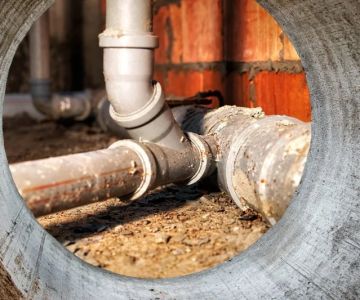
When it comes to maintaining your home, plumbing often doesn't get the attention it deserves until there's a problem. However, knowing when to replace your old pipes is crucial to preventing costly damage in the future. Old pipes can be the source of leaks, poor water quality, and inefficiencies in your home’s plumbing system.Old plumbing systems, especially those made of galvanized steel or cast iron, are more prone to corrosion and clogs. As pipes age, they can lose their strength, leading to cracks, leaks, and even burst pipes. If you’re dealing with plumbing issues such as reduced water pressure, brown or rust-colored water, or frequent leaks, it may be time to consider replacing your old pipes.

Signs You Need to Replace Old Pipes

While some signs of deteriorating pipes are obvious, others might require a bit of investigation. Here are common indicators that it’s time for a pipe replacement:Frequent Leaks: If you notice recurring leaks around your home, it could indicate that your pipes are corroding or have become weakened over time.Low Water Pressure: Old pipes can become clogged or corroded, reducing water pressure throughout your home.Discolored Water: Brown or rust-colored water is often a sign that your pipes are rusting from the inside, which can lead to serious plumbing problems.Mold or Mildew: Mold and mildew can be a direct result of water leaks from old, deteriorating pipes. If you see these signs, it’s important to act fast.Old Plumbing Materials: Homes built before the 1960s often have plumbing systems made from materials like lead, which should be replaced immediately for safety reasons.Recognizing these signs early on can help you prevent extensive water damage and costly repairs down the line.

How to Replace Old Pipes Yourself

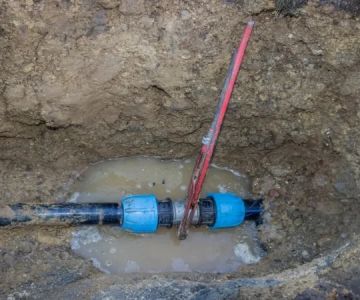
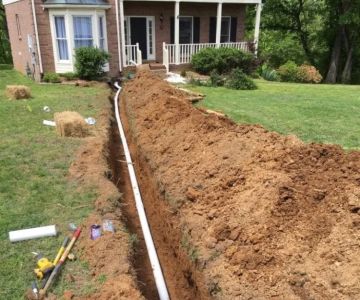
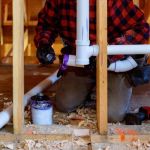
If you're considering replacing old pipes on your own, it's important to be well-prepared. While DIY pipe replacement is a project some homeowners can tackle, it’s not always a simple task, and you may run into challenges along the way.Here’s a basic overview of the steps involved in replacing old pipes:Turn Off the Water: Before starting any plumbing project, make sure to turn off the water supply to your home.Locate the Old Pipes: In most homes, old pipes are located in basements, attics, or crawl spaces. You’ll need to access these areas to begin the replacement process.Cutting the Old Pipes: Using a pipe cutter or a hacksaw, carefully cut away the old pipes. Make sure to cut in straight lines to ensure the new pipes fit properly.Prepare New Pipes: Choose the appropriate materials for your replacement pipes, such as PEX, copper, or PVC. Measure the new pipes and cut them to the correct size.Install the New Pipes: Once the new pipes are cut to size, install them by fitting them into place and securing them with connectors, brackets, and clamps.Test the New System: Once everything is installed, turn the water back on and check for leaks or any issues with the new system.While these steps outline the general process, it’s essential to note that replacing pipes can require knowledge of plumbing codes and experience with handling plumbing tools. If you’re unsure or uncomfortable, consider calling a professional.

Professional Plumbing Services for Pipe Replacement

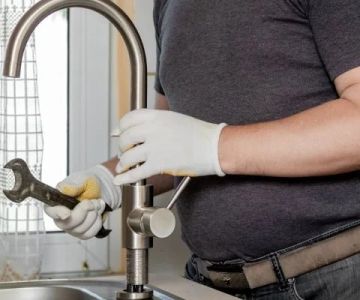
If you’re not up for a DIY project or don’t have the right tools, hiring a professional plumber is your best option. Professional plumbers are trained to handle all aspects of pipe replacement, ensuring the job is done safely and effectively.When selecting a plumber, be sure to do your research:Licensing and Insurance: Ensure the plumber is licensed and insured. This provides protection in case something goes wrong during the project.Experience: Look for a plumber who has experience with replacing old pipes, particularly if you have a unique plumbing system or older home.References and Reviews: Ask for recommendations from friends and family, or check online reviews to find a reputable plumber in your area.Cost Estimates: Get multiple quotes and make sure the plumber provides a clear, written estimate before starting any work.Working with a professional can save you time, reduce the risk of mistakes, and ensure the job is done to code. If you’re looking for the best plumbing services near you, visit [PlumberNear] for a list of trusted contractors.

What to Expect During the Pipe Replacement Process

If you decide to go with professional help, it’s important to know what to expect during the pipe replacement process. While the timeline and complexity may vary, here’s a general overview of what you might experience:Initial Inspection: A plumber will inspect your home’s plumbing system to identify problem areas and assess the condition of your old pipes.Pipe Removal: The plumber will remove the old pipes and replace them with new, durable materials that meet your home’s plumbing needs.Water Testing: Once the replacement is complete, the plumber will turn the water back on to test the new pipes for any leaks or pressure issues.Cleanup: After the job is done, the plumber will clean up the work area, ensuring everything is tidy and that no debris or old materials are left behind.While the process can take a few days depending on the scope of the work, it’s important to communicate openly with your plumber to ensure the project stays on track.

How to Maintain New Pipes After Replacement

Once your old pipes have been replaced, it’s important to take steps to maintain your new system to avoid future issues. Here are a few maintenance tips:Regular Inspections: Periodically check your plumbing for any signs of leaks or issues. Catching problems early can help prevent major damage.Flush Your Pipes: Clean your pipes regularly by flushing them with hot water to remove any buildup or debris.Protect Pipes from Freezing: In colder climates, make sure pipes are insulated to prevent freezing and bursting in the winter months.By maintaining your new pipes, you can help extend their lifespan and avoid costly repairs in the future.

Trending Blog Articles

Popular Blog Posts

Categories

Top Visited Sites

Must-Read Plumbing Tips Posts

Top Plumber Searches

Trending Plumbing Tips Posts