
Smart Ways to Clear Clogged Drains Without Harsh Chemical Cleaners
- Why People Are Looking for Better Drain Cleaner Alternatives
- What Causes Most Household Drain Clogs
- Best Drain Cleaner Alternatives That Actually Work
- How to Use Baking Soda and Vinegar the Right Way
- When Hot Water Alone Can Solve the Problem
- Why Drain Snakes Are Still One of the Best Tools
- Enzyme-Based Drain Cleaners vs Chemical Products
- Common Drain Cleaning Mistakes Homeowners Make
- How to Prevent Future Drain Clogs
- When It Is Time to Call a Professional Plumber
- Simple Upgrades That Help Keep Drains Clean
- Real Homeowner Stories and Lessons Learned
- Choosing the Right Drain Cleaning Solution for Your Home
Why People Are Looking for Better Drain Cleaner Alternatives
For years, homeowners reached for chemical drain cleaners the moment water started draining slowly. The advertising made it look simple: pour a bottle down the sink, wait a few minutes, and the clog magically disappears. But many people have discovered the hard way that these products do not always solve the actual problem. In some cases, they even make plumbing issues worse.
One of the biggest concerns is pipe damage. Older plumbing systems, especially homes built before the 1990s, often contain metal pipes that react poorly to repeated chemical exposure. Strong drain cleaners can generate heat, weaken joints, and gradually corrode pipes from the inside. Homeowners sometimes spend years unknowingly damaging their plumbing while trying to save money on repairs.
Another reason people search for the best drain cleaner alternatives is safety. Anyone who has accidentally inhaled the fumes from a powerful drain cleaner knows how unpleasant it can be. Families with children or pets often prefer safer options that do not involve dangerous chemicals sitting under the sink.
Environmental concerns have also become more important. Harsh cleaning chemicals eventually enter wastewater systems and can affect local water supplies. More homeowners today want eco friendly drain cleaner solutions that work effectively without creating unnecessary pollution.
The good news is that many alternative drain cleaning methods genuinely work when used correctly. Some are surprisingly simple and inexpensive. Others require basic tools that every homeowner should probably keep nearby anyway.

Mike the Plumber / mike the plumber
1545 Ocean Ave A3, Bohemia, NY 11716, USA
What Causes Most Household Drain Clogs
Before choosing the right solution, it helps to understand what is actually causing the blockage. Different clogs require different approaches, and this is where many homeowners make mistakes.
Go Green Plumbing, Heating, Air & Electrical / go green plumbing heating and air
GreensboroGuilford CountyNorth Carolina
300 Pomona Dr, Greensboro, NC 27407, USA
1. Bathroom Sink Clogs
Bathroom drains usually clog because of a combination of hair, toothpaste residue, soap scum, shaving cream, and skin oils. Over time, these materials stick to pipe walls and slowly narrow the water passage.
One homeowner described their bathroom sink as “draining like maple syrup in winter.” After removing the drain stopper, they discovered years of tangled hair packed tightly below the drain opening. No chemical product would have fully removed that blockage.
2. Kitchen Drain Blockages
Kitchen sinks face different problems. Grease, cooking oil, coffee grounds, rice, pasta, and food scraps are the most common causes. Even when grease looks liquid while hot, it solidifies deeper inside the plumbing system as it cools.
This creates a sticky coating inside pipes that traps additional debris over time.
3. Shower and Tub Problems
Showers combine several clogging elements at once:
- Long hair
- Soap residue
- Mineral buildup from hard water
- Shampoo and conditioner residue
These clogs often develop slowly, which is why many homeowners ignore them until standing water becomes unavoidable.
4. Main Sewer Line Issues
Sometimes the problem is larger than a single fixture. If multiple drains back up at once, tree roots or sewer line obstructions may be involved. This situation usually requires professional equipment rather than DIY methods.
Best Drain Cleaner Alternatives That Actually Work
Not every alternative method works equally well. Some online hacks sound impressive but deliver disappointing results. The following solutions consistently perform better in real homes.
1. Boiling Water Flush
This is one of the simplest methods and surprisingly effective for grease-related clogs.
How It Works
Boiling water softens grease and soap buildup, allowing it to break apart and move through the pipes more easily.
Best Situations for Use
- Kitchen sink slow drainage
- Soap scum buildup
- Minor grease clogs
Important Warning
Do not use boiling water on PVC pipes if you suspect weak joints or old plumbing connections. Extremely hot water can sometimes loosen damaged fittings.
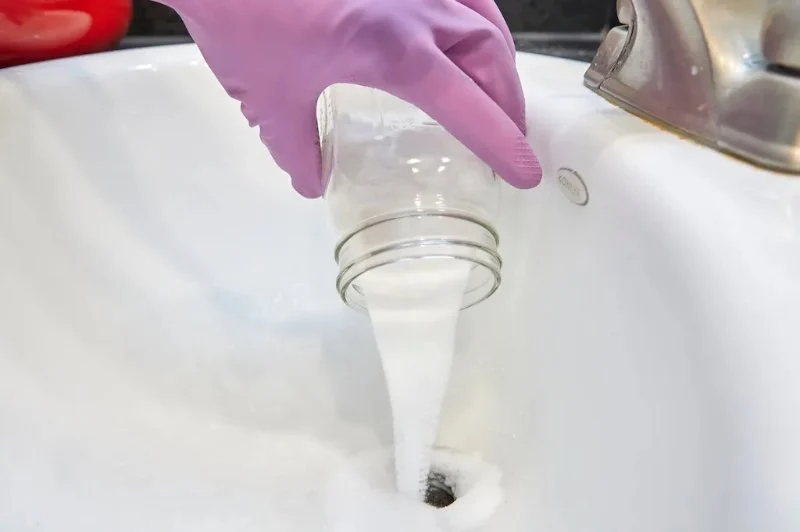
2. Baking Soda and Vinegar
This classic homemade drain cleaner remains popular for good reason.
Why It Works
The fizzing reaction helps loosen debris while reducing odor buildup inside the pipes.
Best Use Cases
- Minor sink clogs
- Routine maintenance
- Odor prevention
While some people expect dramatic results, this method works best as an early-stage solution rather than a miracle fix for severe blockages.
3. Manual Drain Snake
Professional plumbers still rely heavily on drain snakes because physical removal is often the most effective solution.
Why Professionals Prefer Mechanical Removal
Chemicals attempt to dissolve clogs. Drain snakes physically remove them.
That distinction matters.
A small handheld drain snake can remove hair clumps that chemical cleaners barely affect. Many homeowners are shocked by how much debris comes out during the first use.
4. Enzyme Drain Cleaners
Unlike harsh chemicals, enzyme cleaners use bacteria and enzymes to break down organic matter naturally.
Advantages
- Safer for pipes
- Better for septic systems
- Reduced chemical exposure
- Eco friendly drain cleaner option
Disadvantages
They work more slowly than aggressive chemical products and usually require overnight treatment.
How to Use Baking Soda and Vinegar the Right Way
Many homeowners try this method once, see limited results, and assume it does not work. Usually the problem is incorrect application.
Step-by-Step Process
- Remove standing water from the sink if possible.
- Pour half a cup of baking soda directly into the drain.
- Add one cup of white vinegar slowly.
- Cover the drain opening immediately.
- Wait 15 to 30 minutes.
- Flush with hot water.
Why Covering the Drain Matters
One plumber explained that leaving the drain uncovered allows the reaction to escape upward instead of forcing pressure into the clog itself.
That small detail often makes a noticeable difference.
Realistic Expectations
This method will not clear tree roots or large obstructions. However, it works surprisingly well for maintenance and small organic clogs.
When Hot Water Alone Can Solve the Problem
Sometimes homeowners overcomplicate simple plumbing issues. Hot water alone can fix many early-stage clogs if caught quickly.
Grease Build-Up in Kitchen Pipes
One family noticed their kitchen sink slowing down every winter. A plumber later explained that colder temperatures caused grease inside the pipes to harden faster.
Running very hot water regularly after cooking significantly improved drainage.
Daily Maintenance Habits
A simple habit can help prevent future clogs:
- Run hot water for 30 seconds after washing dishes.
- Avoid pouring oils directly down drains.
- Use sink strainers consistently.
Small habits often matter more than expensive cleaning products.
Why Drain Snakes Are Still One of the Best Tools
Drain snakes are not glamorous, but they work.
Many professional plumbers admit that homeowners waste hundreds of dollars on chemicals before finally using a simple mechanical tool that solves the issue in minutes.
Different Types of Drain Snakes
1. Plastic Hair Removal Tools
Affordable and effective for bathroom sinks and showers.
2. Hand Crank Augers
Better for deeper clogs inside branch drain lines.
3. Power Augers
Used for severe blockages or main sewer lines.
What Makes Them Effective
Drain snakes physically grab or break apart debris. This avoids the uncertainty of chemical reactions and often provides immediate results.
Many homeowners who finally try a drain snake wonder why they waited so long.
Enzyme-Based Drain Cleaners vs Chemical Products
The rise of enzyme cleaners reflects changing homeowner priorities.
Chemical Drain Cleaners
Advantages
- Fast acting
- Easy to use
- Widely available
Disadvantages
- Can damage pipes
- Strong fumes
- Environmental concerns
- May worsen standing water situations
Enzyme Drain Cleaners
Advantages
- Pipe safe
- Septic safe
- Reduced odor
- Good long-term maintenance option
Disadvantages
- Slower results
- Less effective on severe clogs
- Requires repeated applications sometimes
For many households, combining mechanical cleaning with enzyme maintenance provides the best long-term solution.
Common Drain Cleaning Mistakes Homeowners Make
Even smart homeowners make preventable mistakes when dealing with clogs.
1. Mixing Chemical Products
This is extremely dangerous.
Combining different drain cleaners can create toxic gases or violent chemical reactions.
2. Ignoring Slow Drains Too Long
Small clogs become major obstructions when ignored. Early action almost always reduces repair costs.
3. Pouring Grease Down the Sink
Many people assume hot grease is harmless because it looks liquid. Once it cools inside the plumbing system, problems begin.
4. Overusing Harsh Chemicals
Repeated chemical treatments can weaken plumbing components over time.
5. Using Improper Tools
Metal coat hangers may scratch pipes or push clogs deeper into the system.
How to Prevent Future Drain Clogs
Prevention usually costs far less than emergency plumbing repairs.
Bathroom Prevention Tips
- Install hair catchers
- Clean sink stoppers regularly
- Flush drains monthly with hot water
Kitchen Prevention Tips
- Never pour grease into drains
- Use food strainers
- Dispose of coffee grounds properly
- Run hot water after dishwashing
Laundry Room Maintenance
Lint buildup can also affect plumbing systems over time. Cleaning lint traps carefully reduces additional strain on household drains.
When It Is Time to Call a Professional Plumber
Some situations require professional help regardless of DIY efforts.
Warning Signs
- Multiple drains backing up
- Sewage smells
- Water backing into tubs
- Recurring clogs
- Gurgling toilets
These symptoms may indicate deeper sewer line issues rather than simple fixture clogs.
A Costly Lesson
One homeowner repeatedly used chemical cleaners on a stubborn kitchen sink clog for months. Eventually, a plumber discovered tree roots invading the sewer line.
The delay increased repair costs significantly.
Sometimes the smartest financial decision is calling a professional earlier.
Simple Upgrades That Help Keep Drains Clean
Modern plumbing accessories can reduce future maintenance dramatically.
1. Mesh Drain Screens
These inexpensive additions catch hair and debris before they enter the pipes.
2. Improved Garbage Disposals
Modern disposal systems grind food waste more efficiently, reducing clog risk.
3. Better Sink Strainers
Many homeowners underestimate how much food escapes standard sink drains.
4. Water Softening Systems
Hard water minerals contribute to pipe buildup over time. Water softeners can reduce mineral accumulation significantly.
Homeowners researching plumbing maintenance tools often discover useful drain protection products through trusted plumbing supply resources and specialized home improvement stores.
Real Homeowner Stories and Lessons Learned
Sometimes the best advice comes from ordinary homeowners who learned through experience.
The Hair Clog Nightmare
A homeowner in Chicago spent nearly $80 on chemical cleaners trying to fix a slow shower drain. Nothing worked. Finally, they bought a simple plastic drain snake for under $10.
The clog cleared within minutes.
The experience completely changed how they handled future plumbing problems.
The Grease Disaster
A family regularly poured bacon grease down the kitchen sink for years. Eventually, the drain backed up during a holiday dinner with guests visiting.
The repair required professional pipe cleaning and partial pipe replacement.
Now they keep a separate grease disposal container beside the stove.
The Preventive Maintenance Success Story
One homeowner began monthly hot water flushes combined with enzyme treatments after repeated bathroom sink clogs.
Three years later, they have not experienced another serious blockage.
Consistency matters more than expensive solutions.
Choosing the Right Drain Cleaning Solution for Your Home
The best drain cleaner alternatives are not always the most expensive products or the most heavily advertised solutions. Often, the most effective approach combines simple prevention habits, mechanical cleaning tools, and safer maintenance methods.
For minor clogs, homemade drain cleaner solutions like baking soda and vinegar can work surprisingly well. For hair buildup and stubborn debris, drain snakes remain one of the most reliable tools available. Enzyme cleaners provide a safer long-term maintenance option for homeowners concerned about pipe damage or environmental impact.
The key is understanding the actual cause of the clog instead of immediately reaching for harsh chemicals.
Homeowners who invest a little time learning proper drain maintenance often save significant money on emergency plumbing repairs later. Many also discover that modern plumbing tools and safer drain cleaning products are easier to use than expected.
If you are exploring better ways to maintain your plumbing system, now is a good time to compare modern drain cleaning tools, eco friendly maintenance products, and professional-grade prevention accessories that can keep your drains flowing properly year-round.


 Broadway Plumbing and Sewer4.0 (17 reviews)
 Drain Masters Inc4.0 (66 reviews)
 J-Rock Plumbing5.0 (9 reviews)
 Link Plumbing & Home Imprvmts5.0 (3 reviews)
 CJones Plumbing, Inc.4.0 (77 reviews)
 R L Voight & Son Inc5.0 (14 reviews)
 What to Do If Frozen Pipes: Complete Homeowner’s Guide
 Beginner's Guide to a Broken Water Heater: What You Need to Know
 Top Tips for Frozen Pipes
 What Causes Toilet to Leak from Tank to Bowl and How to Fix It
 How to Troubleshoot and Fix a Toilet Tank That Won’t Hold Water
 What Causes a Burst Pipe and How to Prevent It in Winter | Essential Tips