
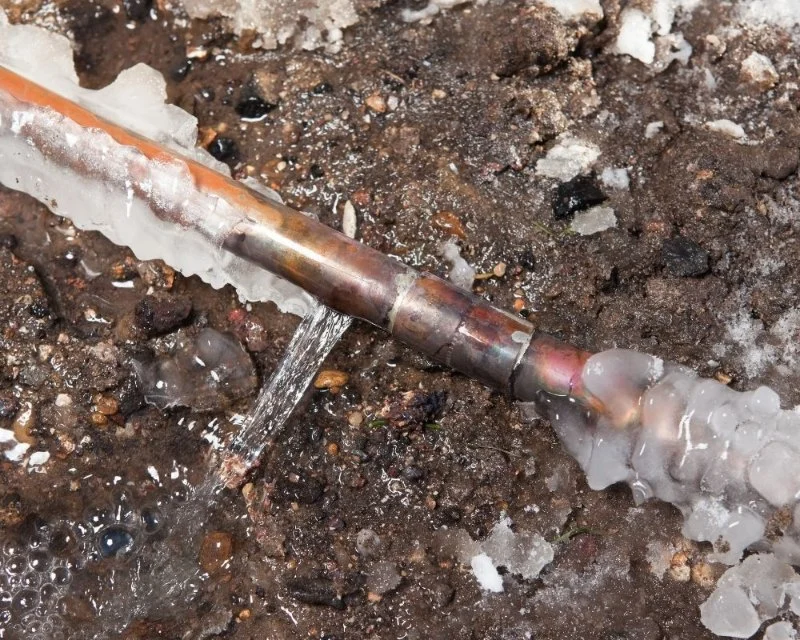
When Winter Freezes More Than Just the Weather
Every winter in the US, homeowners face the same quiet threat hiding behind walls and under sinks: frozen pipes. It usually starts with a small warning—water slowing to a trickle, a faucet that sounds “off,” or a cold snap that lasts longer than expected. Then panic sets in. Knowing how to fix a frozen pipe without bursting it becomes less of a DIY skill and more of a home survival necessity.
This issue is especially common in older homes or properties with poorly insulated plumbing. A single frozen pipe can lead to water damage, expensive repairs, and even structural issues if it bursts. The good news is that with the right steps, you can safely restore water flow without turning a small problem into a plumbing disaster.
- Frozen pipe early warning signs - reduced water flow, frost on exposed pipes, strange pipe noises
- Risk escalation - pressure buildup leading to cracks or bursts if not handled correctly
- Safe thawing approach - gradual heat application and controlled environment adjustments
Understanding Why Pipes Freeze in the First Place
Before jumping into solutions, it helps to understand the mechanics behind the problem. Water expands when it freezes, and that expansion creates pressure inside the pipe. If that pressure has nowhere to go, the pipe can crack or burst.
Most frozen pipe situations happen in places like basements, attics, garages, and exterior walls. These areas are more exposed to cold air and often lack proper insulation. Even a short cold wave can cause trouble if temperatures drop below freezing for long enough.
A real-life example: during a recent winter storm in Chicago, a homeowner ignored a slow kitchen faucet, thinking it was just “low pressure.” Overnight, the pipe froze completely and burst behind the wall, leading to thousands of dollars in water damage. This is why early detection matters just as much as repair.
Hardy Plumbing / hardy plumbing
Port ClintonSchuylkill CountyPennsylvania
149 Penn St, Port Clinton, PA 19549, USA
Safe Methods for How to Fix a Frozen Pipe Without Bursting It
Start With Controlled Warmth, Not Sudden Heat
The biggest mistake people make is applying too much heat too quickly. Using open flames or high-heat tools can weaken the pipe and cause it to crack. Instead, gradual warming is the safest path.
You can start by opening the faucet connected to the frozen pipe. This relieves pressure and allows melting ice to flow out as it thaws. Then, slowly introduce heat from safe sources like a hair dryer or warm towels wrapped around the pipe.
Sewer Xpress Corp / pipe xpress inc
Eastampton TownshipBurlington CountyNew Jersey
649 Powell Rd, Eastampton Township, NJ 08060, USA
Target the Frozen Section Carefully
Not all parts of the pipe freeze at once. Usually, the blockage forms at a specific point where cold air exposure is highest. Identifying this spot helps you focus your efforts efficiently.
If the pipe is behind a cabinet or wall access panel, open it to allow warm air circulation. Portable heaters can help warm the surrounding area, but they should never be placed too close to avoid overheating materials.
Keep Water Moving During Thawing
One of the most overlooked techniques is maintaining slight water movement. Even a small drip helps reduce pressure buildup inside the pipe. This significantly lowers the risk of bursting during the thawing process.
This method is widely recommended by plumbing professionals because it creates a safe pressure release system while ice inside the pipe gradually melts.
What Not to Do When Dealing With Frozen Pipes
Knowing what to avoid is just as important as knowing what to do. Many homeowners accidentally worsen the situation by using unsafe or aggressive methods.
- Never use open flames like torches or lighters directly on pipes
- Avoid boiling water poured directly on frozen sections
- Do not ignore signs of leakage after thawing begins
- Do not forcefully bang or hit pipes thinking it will break the ice
These actions can weaken pipe integrity and increase the chance of rupture. A careful, patient approach always wins in plumbing emergencies.
Real Case Insight: A Suburban Home Recovery Story
A homeowner in New Jersey shared a situation where multiple bathroom pipes froze during a prolonged cold front. Instead of panicking, they followed a slow heating approach using space heaters and controlled airflow.
They also kept faucets slightly open throughout the night. By morning, water flow returned gradually without any pipe damage. The key difference in this case was patience and avoiding aggressive thawing techniques.
This example shows that knowing how to fix a frozen pipe without bursting it is less about tools and more about timing, awareness, and controlled action.
How to Prevent Frozen Pipes in Future Winters
Prevention is always more effective than emergency repair. Once winter arrives, protecting your plumbing system should become part of your seasonal routine.
Improve Insulation in High-Risk Areas
Pipes located in unheated areas should be insulated using foam sleeves or heat tape. This simple step dramatically reduces freezing risk during temperature drops.
Maintain Consistent Indoor Temperatures
Even when you're away, keeping your home temperature stable helps protect plumbing systems. Sudden drops in indoor heat are one of the most common causes of pipe freezing.
Allow Air Circulation Around Pipes
Opening cabinet doors under sinks during extreme cold allows warm indoor air to circulate around plumbing lines. This small habit can prevent many freezing incidents.
For homeowners looking for more structured guidance or seasonal plumbing protection tools, platforms like Ac Fix can help connect users with useful home maintenance resources and solutions tailored to winter conditions.
Final Practical Advice for Homeowners
Frozen pipes are stressful, but they are manageable when handled correctly. The difference between a quick fix and a costly repair often comes down to calm decision-making and safe thawing techniques.
If there is one takeaway, it is this: slow, controlled warming is always safer than fast, aggressive heat. Combined with prevention habits, this approach protects both your plumbing system and your home investment.
When winter returns, being prepared is not optional—it is part of responsible home ownership. Understanding how to fix a frozen pipe without bursting it gives you the confidence to act early and avoid damage when temperatures drop.
 Watson Mechanical LLC4.0 (17 reviews)
 Advanced Plumbing, LLC4.0 (113 reviews)
 Alewife Co4.0 (30 reviews)
 LaMarti and Sons Contractors - Plumbers5.0 (1 reviews)
 Golden Wings Plumbing3.0 (3 reviews)
 McCreedy's Plumbing & Heating Inc.0.0 (0 reviews)
 Best Ways to Understand Plumbing Codes
 Effective Steps to Repair a Leaking Pipe Behind Your Cabinet
 How to Insulate Pipes for Winter Protection and Prevent Freezing Damage
 How to Keep Your Plumbing System Running Smoothly Year-Round
 When Should You Call a Plumber for a Broken Water Heater
 Common Reasons Your Water Heater Is Not Igniting and How to Fix It