- Why Plumbing Maintenance Matters for Homeowners
- Common Plumbing Problems Homeowners Face
- Benefits of Regular Plumbing Maintenance
- Top Plumbing Maintenance Tips for Homeowners
- When to Call a Professional Plumber
1. Why Plumbing Maintenance Matters for Homeowners
Plumbing is one of the most essential systems in any home. From providing clean water to ensuring proper drainage, it is a system that plays a crucial role in the comfort and functionality of your living space. Plumbing maintenance is essential for homeowners because it helps keep everything running smoothly, reduces the risk of costly repairs, and extends the lifespan of your pipes and fixtures.
Neglecting plumbing maintenance can lead to a variety of problems, ranging from minor inconveniences like leaky faucets to major issues such as burst pipes or sewer backups. Regular maintenance ensures that these problems are caught early before they can cause significant damage or require expensive repairs.
2. Common Plumbing Problems Homeowners Face
Plumbing issues are common, and many homeowners face similar challenges. Here are some of the most frequent plumbing problems:
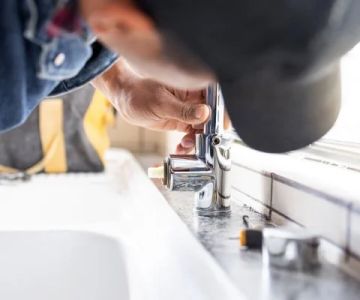
- Leaky Faucets: A leaky faucet is not just annoying; it can waste a significant amount of water, leading to higher water bills. It often results from worn-out washers or seals.
- Clogged Drains: Whether it’s in the kitchen or bathroom, clogged drains are a common issue. Over time, food particles, grease, hair, and soap scum build up in pipes, causing blockages.
- Running Toilets: A running toilet can waste gallons of water per day. The problem is often caused by faulty flappers, flush valves, or fill valves.
- Low Water Pressure: Low water pressure can make it difficult to take a shower or wash dishes effectively. It could be caused by clogged pipes, mineral buildup, or issues with the water supply line.
- Water Heater Issues: A malfunctioning water heater can leave you without hot water, especially during colder months. It’s often caused by sediment buildup, a faulty thermostat, or a broken heating element.
Recognizing these common plumbing issues early allows homeowners to take action before they worsen and lead to more costly repairs.
3. Benefits of Regular Plumbing Maintenance
Regular plumbing maintenance offers several benefits to homeowners, helping save time, money, and frustration. Here are some of the top reasons why plumbing maintenance is so important:
- Prevents Major Plumbing Issues: Regular checks and maintenance help catch small problems before they escalate into large, expensive repairs. For example, a minor leak can be repaired before it causes water damage to floors or walls.
- Improves Efficiency: Well-maintained plumbing systems operate more efficiently. This means better water pressure, less energy use for water heating, and fewer clogs or disruptions in your water flow.
- Extends the Lifespan of Plumbing: Just like any other part of your home, your plumbing system has a lifespan. Regular maintenance can significantly extend the life of pipes, faucets, water heaters, and other plumbing components.
- Reduces Emergency Plumbing Costs: Emergency plumbing calls can be expensive, especially if you need immediate repairs. Regular maintenance helps reduce the likelihood of emergencies, saving you from unexpected costs.
- Enhances Water Quality: Regular plumbing maintenance can also improve the quality of water in your home. For instance, checking for leaks and replacing filters helps ensure clean, safe water for you and your family.
4. Top Plumbing Maintenance Tips for Homeowners
Here are some simple plumbing maintenance tips that homeowners can implement to keep their systems in top shape:
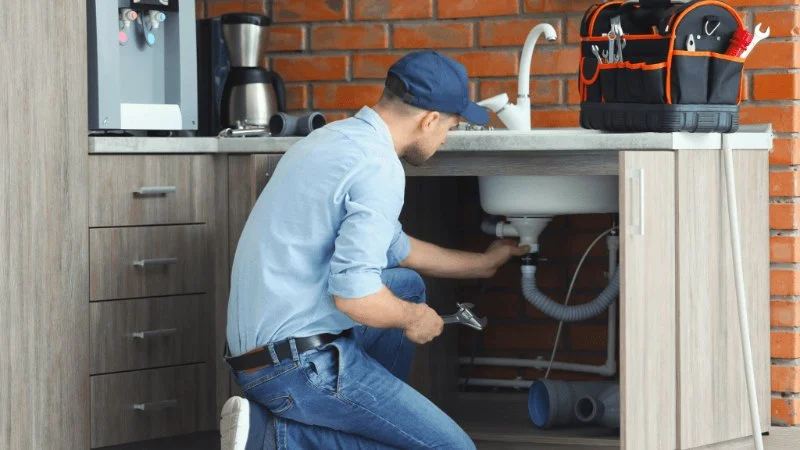
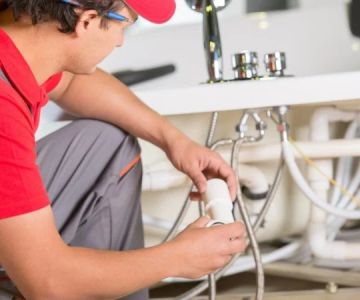
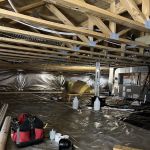
- Inspect Pipes Regularly: Check your pipes for signs of leaks, cracks, or corrosion. Pay special attention to pipes under sinks, around the water heater, and in the basement or crawl space.
- Clean Drains and Gutters: Keep your drains clean by using a drain guard to catch debris. Regularly flush out your drains with hot water and vinegar to prevent buildup.
- Check Water Heater: Periodically flush your water heater to remove sediment buildup. Set the thermostat to no higher than 120°F to prevent overheating and energy waste.
- Test Water Pressure: Use a water pressure gauge to check the pressure in your plumbing system. If it’s too high or too low, it could indicate an underlying problem.
- Examine Faucets and Toilets: Test faucets and toilets for leaks or running water. If you notice anything unusual, it’s best to address it sooner rather than later to avoid wastage.
By following these tips, homeowners can maintain a reliable plumbing system and prevent unexpected issues from arising.
5. When to Call a Professional Plumber
While regular maintenance can prevent most plumbing issues, there are times when you should call a professional plumber. Here are some situations where it’s best to seek expert help:
- Severe Leaks: If you notice a significant leak that cannot be easily repaired, it’s important to contact a plumber immediately to prevent water damage.
- Clogged Drains That Won’t Clear: If you’ve tried using a plunger or drain cleaner and the drain is still clogged, a plumber can clear the obstruction safely.
- Low Water Pressure Issues: If the water pressure doesn’t improve after troubleshooting, it’s time to consult a plumber to identify the root cause.
- Water Heater Problems: If your water heater isn’t producing hot water or is leaking, a plumber can inspect and repair it to restore function.
Don’t hesitate to call a professional if you’re unsure about a plumbing issue. Professional plumbers have the knowledge and tools to resolve complex problems quickly and efficiently.
 Philco Plumbing and Heating4.0 (356 reviews)
 Earthworm Water Sewer and Drainage4.0 (47 reviews)
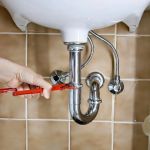 Catalano Plumbing & Heating5.0 (4 reviews)
 Express Sewer, Drain Cleaning & Repairs Inc .5.0 (471 reviews)
 Repair Cville Rooter Service5.0 (51 reviews)
 Heine Plumbing & Water Treatment, Softeners, Water Heaters4.0 (68 reviews)
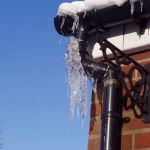 Plumber's Tips for Frozen Pipes: How to Prevent and Fix Them
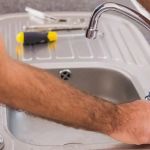 How Long Does It Take to Fix a Leaking Faucet?
 Beginner's Guide to Understanding Plumbing Codes
 Top Tips for Replacing Old Pipes
 Step-by-Step Guide to Fixing a Broken Water Heater
 Is It Safe to Installing a New Toilet