
- 1- Why Frozen Pipes Are a Problem
- 2- How to Prevent Pipes from Freezing
- 3- How to Fix a Frozen Pipe
- 4- When to Call a Professional
- 5- How to Thaw Pipes Safely
1- Why Frozen Pipes Are a Problem
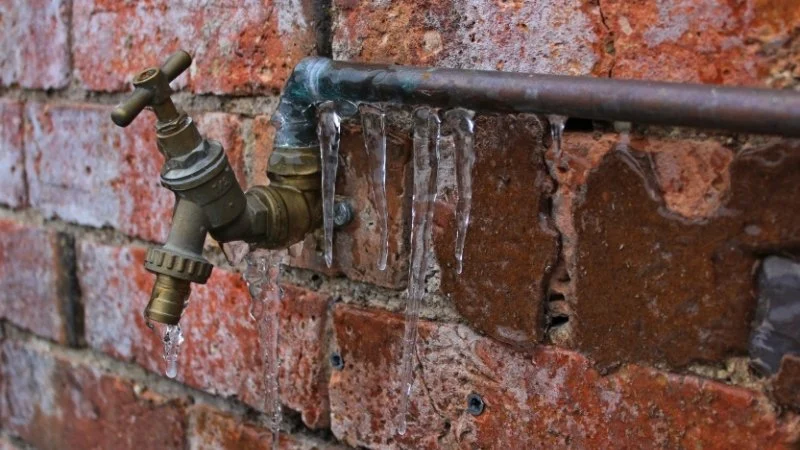
Frozen pipes are a common problem in cold weather, and they can lead to significant plumbing issues. When the water inside a pipe freezes, it expands, which can cause the pipe to crack or burst. This can lead to costly repairs and water damage inside your home. Pipes that are most at risk are those located in unheated areas, like basements, attics, or exterior walls.
If a pipe bursts, it can cause flooding, which can damage walls, floors, and ceilings. The aftermath of dealing with a burst pipe can be time-consuming and expensive. Preventing frozen pipes is not just about avoiding burst pipes—it's also about keeping your plumbing system functioning properly during the harsh winter months.

Mike the Plumber / mike the plumber
1545 Ocean Ave A3, Bohemia, NY 11716, USA
2- How to Prevent Pipes from Freezing
The best way to handle frozen pipes is to prevent them from freezing in the first place. Here are some essential steps you can take to reduce the risk of frozen pipes during cold weather:
- Insulate Exposed Pipes: Use foam pipe insulation to cover pipes in areas like basements, crawl spaces, and attics. This helps maintain a warmer temperature around the pipes and prevents freezing.
- Seal Drafts: Cold air can seep into areas where pipes are located, such as through gaps around windows, doors, and walls. Seal any cracks or gaps to prevent drafts that could freeze your pipes.
- Keep the Heat On: Even if you’re away, keep the thermostat set to a consistent temperature (at least 55°F). If the temperature inside your home drops too low, it can cause pipes in exterior walls to freeze.
- Allow Faucets to Drip: If temperatures are expected to drop drastically, let faucets in vulnerable areas drip slightly. This keeps the water moving through the pipes and reduces the risk of freezing.
- Open Cabinet Doors: In kitchens and bathrooms, open the cabinet doors under sinks to allow warm air to circulate around the pipes. This is especially important for pipes on exterior walls.
3- How to Fix a Frozen Pipe
If you suspect that a pipe has frozen, it’s important to act quickly to prevent it from bursting. Here’s what you should do:
- Locate the Frozen Pipe: Check areas that are most likely to be affected, such as pipes in basements, crawl spaces, or along exterior walls. A pipe that’s frozen may have frost on the outside or may feel cold to the touch.
- Turn Off the Water Supply: Before attempting to thaw the pipe, turn off the water supply to prevent a potential burst once the ice begins to thaw.
- Apply Heat: Use a hair dryer, heat lamp, or a space heater to gradually heat the pipe. Start from the section closest to the faucet and work your way back. Never use an open flame, as this can cause the pipe to crack or even start a fire.
- Use Warm Towels: If you don’t have a space heater, soaking towels in warm water and wrapping them around the frozen pipe can also help thaw it. Just be sure to replace the towels as they cool down.
- Check for Leaks: Once the pipe is thawed, turn the water supply back on slowly to check for leaks. If you notice any, turn off the water supply again and contact a plumber to address the issue.
4- When to Call a Professional
While many frozen pipe issues can be resolved with DIY methods, some situations may require the expertise of a professional plumber. Here are some signs it’s time to call a plumber:
- If the Pipe is Burst: If the frozen pipe has already burst, it’s critical to call a professional immediately to avoid significant water damage and costly repairs.
- If You Can’t Locate the Frozen Pipe: If you’re unable to locate the frozen pipe or can’t access the affected area, a plumber has the tools and experience to quickly locate and address the problem.
- If the Problem Persists: If the pipe continues to freeze even after you’ve attempted to thaw it, there may be an underlying issue that needs professional attention, such as insufficient insulation or damaged plumbing.
Plumbers can also provide long-term solutions, such as installing pipe insulation or repairing damaged sections of your plumbing system, to prevent future freezing issues.
O'Neill Bros. Plumbing / oneill plumbing
RockvilleMontgomery CountyMaryland
12348 Wilkins Ave, Rockville, MD 20852, USA
5- How to Thaw Pipes Safely
Thawing frozen pipes requires patience and care. The key is to apply heat gradually and evenly, avoiding rapid temperature changes that could cause the pipe to burst. Here are some safety tips for thawing frozen pipes:
- Always Start Slowly: Begin with a low heat source, like a hair dryer, and gradually increase the heat as needed. Never apply heat directly to the pipe with an open flame, as this can cause damage.
- Work in Stages: Thaw the pipe in small sections, focusing on the frozen area closest to the faucet and working your way back toward the rest of the pipe.
- Keep an Eye on the Temperature: Ensure that the temperature around the pipe stays consistent to avoid sudden changes that could lead to further damage.
- Stay Safe: If you’re using electrical heating devices, keep them away from water and always follow the manufacturer’s instructions to prevent electrical hazards.
 10 Man Plumbing5.0 (4 reviews)
 Nik’s Plumbing Service5.0 (10 reviews)
 Blow Bros Inc3.0 (55 reviews)
 Abbott's Plumbing4.0 (398 reviews)
 Green Plumbing Services4.0 (45 reviews)
 Emergency Sewer & Drain Service, Inc.4.0 (105 reviews)
 How to Find a Reliable Plumber in Your Area
 How Long Does It Take to Detect a Hidden Water Leak? Expert Insights
 Expert Advice on Water Damage in Your Bathroom for U.S. Homeowners
 Ultimate Guide to Installing a New Toilet – Expert Installation Tips
 Beginner's Guide to Low Water Pressure and How to Fix It
 How Long Does It Take to Sump Pump Failure and Prevention Tips