
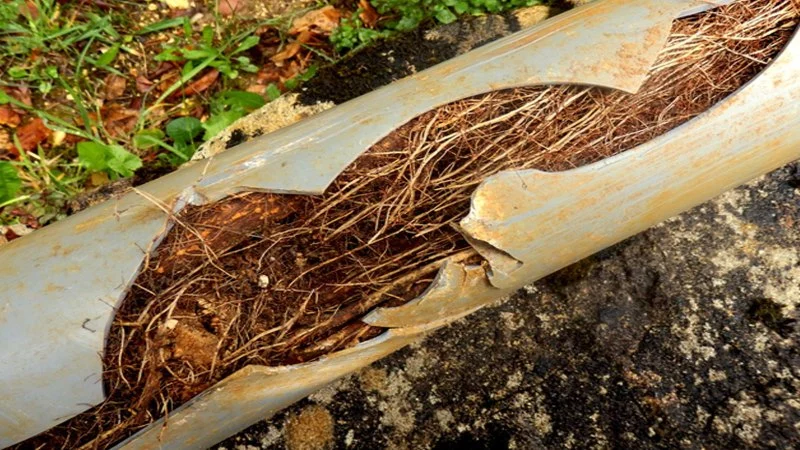
1- The Problem of Tree Roots in Pipes
Tree roots infiltrating your pipes is a common but serious issue that homeowners face, particularly in areas with older plumbing systems or mature landscaping. When tree roots seek out water, they can grow into the pipes, causing blockages, cracks, and potential leaks. This can lead to costly plumbing repairs and potential water damage in your home. In this article, we’ll discuss why tree roots invade pipes and the steps you can take to prevent this from happening to you.
Bill Trombly Plumbing - Heating - Cooling - Electric / jim trombly heating
ManchesterHillsborough CountyNew Hampshire
76 Maple St, Manchester, NH 03103, USA
2- How Tree Roots Find Their Way into Your Pipes
Tree roots are naturally drawn to moisture, and your plumbing system offers a steady supply. Over time, the roots can find small cracks or weak points in pipes and begin to infiltrate. Even small hairline fractures in your pipes can serve as entry points for these roots. The most common causes for tree root infiltration include:
- 1. Old or Damaged Pipes – Older pipes, particularly clay or cast-iron ones, are more prone to cracking, which makes it easier for roots to invade.
- 2. Pipes with Leaks – Leaky pipes create a continuous source of moisture, which attracts tree roots looking for water.
- 3. Tree Proximity – Trees planted too close to the plumbing system, especially large trees with expansive root systems, are more likely to cause pipe damage.
3- Signs That Tree Roots Have Infiltrated Your Pipes
It’s important to identify the early signs of tree root infiltration to prevent extensive damage. Here are some symptoms to watch out for:
- 1. Slow Draining Water – If you notice that your sinks, bathtubs, or toilets are draining slower than usual, tree roots might be blocking your pipes.
- 2. Odor or Gurgling Sounds – Unpleasant odors or gurgling noises coming from your drains can indicate that roots have obstructed the pipes.
- 3. Frequent Clogs – If you’re dealing with frequent drain clogs, despite regular cleaning, it could be a sign that tree roots are causing persistent blockages in the plumbing system.
4- How to Prevent Tree Roots from Infiltrating Your Pipes
Preventing tree roots from infiltrating your pipes is much easier than dealing with the aftermath of an infestation. Here are several effective strategies to protect your plumbing system:
- 1. Proper Tree Placement – When planting trees, make sure to position them away from your plumbing lines. A good rule of thumb is to plant trees at least 10 feet away from pipes, though larger trees may need more distance.
- 2. Install Root Barriers – Root barriers are physical structures that can be placed between trees and pipes to prevent roots from growing into the plumbing system. They are typically made of durable materials like plastic or metal and are a great long-term solution.
- 3. Regular Pipe Maintenance – Periodically inspect and clean your plumbing pipes. Routine maintenance can help identify early signs of leaks or cracks before they become a major problem.
- 4. Use Tree Root-Resistant Pipes – If you’re replacing pipes or installing a new plumbing system, consider using materials that are resistant to tree root infiltration, such as PVC or lined pipes.
5- What to Do If Tree Roots Have Already Infiltrated Your Pipes
If you’ve noticed signs of tree roots in your plumbing, immediate action is needed to avoid further damage. Here’s what you should do:
- 1. Call a Professional Plumber – A professional plumber can use specialized equipment to locate the root intrusion and remove it safely. Techniques such as hydro-jetting or using a root saw can clear out the roots without causing damage to your pipes.
- 2. Pipe Replacement – In some cases, if the damage is extensive, replacing the affected sections of the pipe may be necessary to restore full functionality.
- 3. Consider Pipe Relining – Pipe relining is a process where a new lining is applied inside the old pipe, creating a smooth, sealed surface that prevents future root infiltration and leaks.
6- Case Study: Preventing and Fixing Root Damage
Consider the case of John, a homeowner who faced frequent clogs and slow drainage in his basement. After investigating, John discovered that tree roots had infiltrated his plumbing system. He contacted a professional plumber who used hydro-jetting to clear the roots and replace the affected pipes. To prevent future issues, John installed a root barrier around the tree and ensured his plumbing was up to date. Since then, he hasn’t had any problems with clogged drains or root infiltration.

coastal & son, llc / aj appliance toms river nj
Toms RiverOcean CountyNew Jersey
1106 Verdant Rd, Toms River, NJ 08753, USA
7- Where to Find the Best Plumbing Services and Products
To prevent or repair tree root damage in your pipes, it’s essential to work with a trusted plumber and use the best products. Visit PlumberNear for expert recommendations, high-quality plumbing tools, and services to safeguard your pipes from root damage. With the right tools and professionals on your side, you can avoid costly repairs and keep your plumbing system running smoothly.
 James Mechanical Plumbing & Heating4.0 (23 reviews)
 Bruka Bros Expert Drain & Sewer Cleaning Llc5.0 (23 reviews)
 Currier Inc. Plumbing And Rooter5.0 (4 reviews)
 Certified Sewer & Drain5.0 (1 reviews)
 Statewide Construction Co., Inc.5.0 (2 reviews)
 Good News Drain Services5.0 (51 reviews)
 How Much Does It Cost to Detect a Hidden Water Leak?
 Plumber's Tips for Maintaining Your Plumbing System
 How to Deal with Clogged Drains in Your Bathroom
 Beginner's Guide to Detecting a Hidden Water Leak
 Best Ways to Prevent and Fix Sump Pump Failures
 Why Choosing the Right Pipe Materials is Crucial for Your Plumbing Needs