
Troubleshooting Your Dishwasher: Why It’s Not Draining Properly
- Common Causes of Dishwasher Drainage Problems
- Step-by-Step Diagnosis
- Solutions and Fixes
- Preventative Maintenance Tips
- When to Call a Professional
- Real-Life Case Study
- Final Advice and Recommendations
1 - Common Causes of Dishwasher Drainage Problems
1.1 Clogged Drain Hose
The most frequent reason a dishwasher fails to drain is a clogged drain hose. Food particles, grease, and soap residue can build up, preventing water from exiting the appliance efficiently.
1.2 Faulty Drain Pump
A malfunctioning drain pump may struggle to expel water, resulting in pooling at the bottom. Over time, wear and tear or debris in the pump can affect its performance.
1.3 Blocked Air Gap or Garbage Disposal Connection
Some dishwashers require an air gap to prevent backflow. If this or the connection to your garbage disposal is blocked, water may not drain correctly.
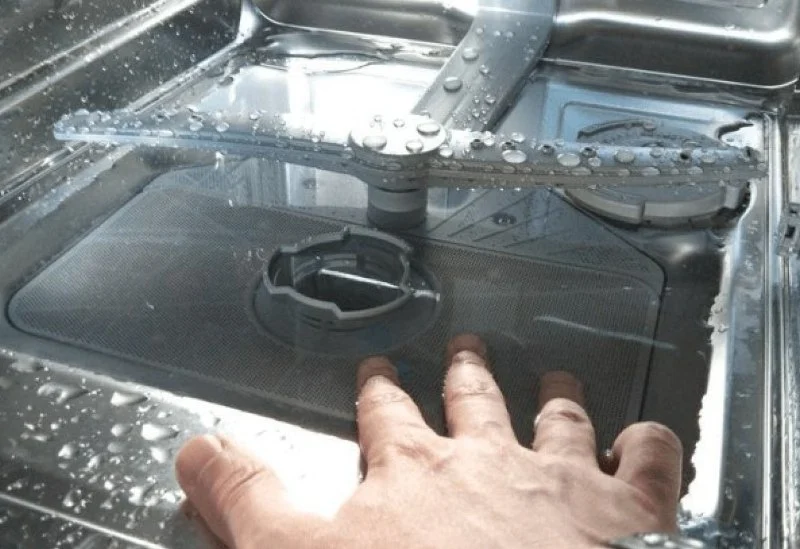
1.4 Obstructed Filters
Dishwasher filters trap food particles to protect the pump. When these filters are clogged, water cannot flow freely, leading to drainage issues.
2 - Step-by-Step Diagnosis
2.1 Inspect the Drain Hose
Disconnect the hose and check for visible clogs. Gently clear debris using a flexible brush or running water through it.
2.2 Examine the Drain Pump
Listen for unusual noises during the drain cycle. Remove the pump cover and inspect for blockages or broken parts.
2.3 Check the Filters and Air Gap
Clean the filters regularly and ensure the air gap is free from debris. Make sure the garbage disposal connection is clear.
3 - Solutions and Fixes
3.1 Clearing Clogs
Remove food particles from the filters, hoses, and air gap. For persistent blockages, use a dishwasher-safe cleaning solution to dissolve grease buildup.
3.2 Repairing or Replacing the Drain Pump
If the pump is damaged, replace it with a compatible model. Ensure all connections are secure to prevent leaks and restore proper drainage.
3.3 Flushing the Drain Hose
Use warm water and a flexible brush to flush out the hose. Reattach securely to avoid kinks that might impede water flow.
4 - Preventative Maintenance Tips
4.1 Regular Cleaning
Clean filters weekly and run a dishwasher cleaner once a month to prevent residue buildup. Regularly check hoses and connections.
4.2 Avoiding Hard-to-Dissolve Foods
Scrape large food particles from dishes before loading. Avoid pouring grease or oil directly into the dishwasher.
4.3 Scheduled Inspections
Check hoses, pump, and connections quarterly. Early detection can prevent costly repairs and prolong appliance life.
5 - When to Call a Professional
If you have followed the troubleshooting steps and your dishwasher still does not drain, it may require professional inspection. A certified technician can identify hidden electrical or mechanical issues that DIY methods cannot resolve.
6 - Real-Life Case Study
Jane from Denver experienced her dishwasher not draining properly after a week of heavy use. By cleaning the filters and clearing a clogged drain hose, she restored normal function. She also scheduled a professional inspection to prevent future issues. This simple maintenance saved her a costly repair and ensured efficient operation.
7 - Final Advice and Recommendations
Understanding why your dishwasher is not draining properly is essential for maintaining a functional kitchen. Regular maintenance, prompt troubleshooting, and occasional professional checks can keep your appliance running smoothly. For trusted products and expert guidance on repair or replacement, Ac Fix provides resources to ensure your dishwasher operates efficiently and reliably.
 JEK Plumbing Heating & Cooling LLC3.0 (8 reviews)
 Nyc Plumbing Solutions4.0 (44 reviews)
 Sump Pump Gurus | Montclair4.0 (56 reviews)
 FixAll Mechanical4.0 (195 reviews)
 O'Connor Plumbing & Heating4.0 (25 reviews)
 Noble Plumbing & Heating LLC5.0 (5 reviews)
 How to Identify and Fix Plumbing Issues Before They Get Worse
 Beginner's Guide to Replacing Old Pipes | PlumberNear
 How Much Does It Cost to Maintain Your Plumbing System?
 How Much Does It Cost to Sump Pump Failure
 Signs You Need Low Water Pressure: Causes and Solutions
 How to Identify and Fix Leaks in Your Plumbing System