
1. What to Do If Your Sink Won’t Drain: Simple Solutions
- Understanding Sink Blockages
- Basic Clog Removal Methods
- When to Call a Plumber
- Preventing Future Clogs
- Find Plumbing Solutions at PlumberNear
2. Understanding Sink Blockages
If your sink won’t drain, it’s usually because something is blocking the flow of water in the pipes. This blockage can occur in the drainpipe, trap, or even further down the line. Common culprits include food debris, grease, soap scum, hair, and mineral buildup.
When water starts to back up, it’s essential to figure out where the clog is located. Often, the problem is in the drain trap (the curved section of pipe under the sink), but if the water is draining slowly or partially, the issue might be deeper in the drain or even in the main sewer line.
Hardy Plumbing / hardy plumbing
Port ClintonSchuylkill CountyPennsylvania
149 Penn St, Port Clinton, PA 19549, USA
3. Basic Clog Removal Methods
Before calling a plumber, you can try a few simple methods to fix a clogged sink on your own. Here are some techniques that can help you remove the blockage and restore proper drainage:

Bill Trombly Plumbing - Heating - Cooling - Electric / jim trombly heating
ManchesterHillsborough CountyNew Hampshire
76 Maple St, Manchester, NH 03103, USA
3.1 Plunger
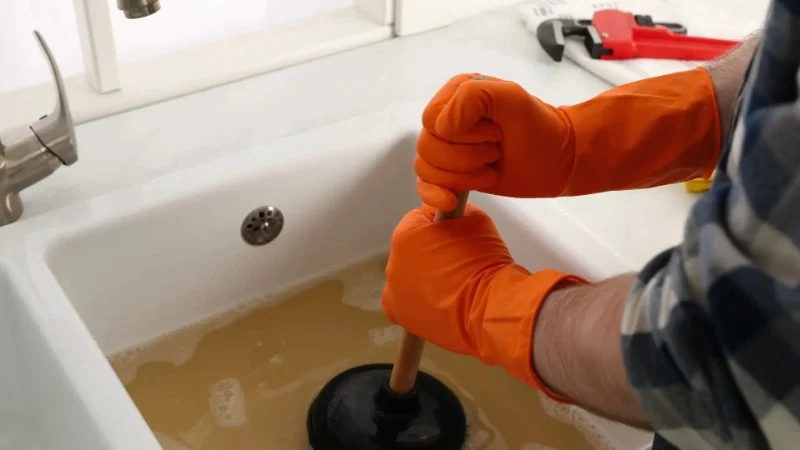
A plunger is often the first tool to use when dealing with a clogged sink. It creates suction that can help loosen and push the blockage down the drain. Ensure the plunger’s cup completely covers the drain opening, and make sure there’s enough water in the sink to cover the plunger’s bell. Pump the plunger up and down several times before checking to see if the water drains properly.
3.2 Baking Soda and Vinegar
If a plunger doesn’t do the trick, a natural remedy using baking soda and vinegar may help. Pour about half a cup of baking soda into the drain, followed by half a cup of vinegar. Cover the drain and let the mixture sit for 15-20 minutes to allow the chemicals to break down the clog. Then, pour hot water down the drain to flush away any debris. This method works well for minor clogs caused by soap scum and grease buildup.
3.3 Drain Snake
If the clog is stubborn and located further down the drain, a drain snake (also called a plumber’s auger) may be necessary. This tool is designed to reach deep into pipes and break up the blockage. You can purchase a manual drain snake from most hardware stores. Insert the snake into the drain, turn the handle to break up the clog, and pull out any debris that’s caught in the coils.
3.4 Chemical Drain Cleaners
Chemical drain cleaners are available in most stores and can effectively dissolve clogs caused by organic matter. However, they should be used with caution as they can damage your pipes if used too frequently. Always follow the manufacturer’s instructions and make sure you’re wearing gloves and protective eyewear when handling chemical cleaners.
4. When to Call a Plumber
If you've tried the above methods and your sink still won’t drain, it may be time to call a professional plumber. Here are some signs that you need expert help:
4.1 Persistent Clogs
If your sink repeatedly clogs despite your efforts to clear it, the issue could be more complicated. There may be a deeper blockage in the drainpipe or a problem with the plumbing system that requires specialized tools to address.
4.2 Multiple Drains Are Affected
If several drains in your home are slow or not draining at all, it could indicate a blockage in the main sewer line. This type of problem requires a professional plumber to inspect the system and clear the blockage properly.
4.3 Unusual Noises or Smells
If your sink emits gurgling noises or a foul smell, it could be a sign that there’s a serious issue with your plumbing, such as a clog in the vent system or a backed-up sewer line. A plumber can diagnose and resolve these issues quickly before they worsen.
5. Preventing Future Clogs
Preventing clogs from happening in the first place is the best way to avoid dealing with a blocked sink. Here are some simple prevention tips:
5.1 Avoid Pouring Grease Down the Drain
Grease and oil can solidify in your pipes and cause major blockages. Always dispose of grease in a separate container, not down the drain. It’s a small habit that can prevent big problems.
5.2 Use a Drain Strainer
Using a drain strainer is a simple way to catch food scraps, hair, and other debris before they enter the drain. Clean the strainer regularly to ensure proper drainage.
5.3 Regularly Flush Your Drains
Once a month, flush your drains with hot water or a mixture of vinegar and baking soda to help prevent buildup. This routine can keep your drains running smoothly and reduce the likelihood of future clogs.
6. Find Plumbing Solutions at PlumberNear
If you need professional assistance with your clogged sink, don’t hesitate to reach out to PlumberNear. We offer expert plumbing services, including drain cleaning and clog removal, to ensure your plumbing system runs smoothly. Visit our website to explore our services and connect with trusted professionals in your area.


 Cronin Plumbing and Heating5.0 (93 reviews)
 Delco Storm & Sewer Services5.0 (138 reviews)
 Davidson H & C Co Inc4.0 (33 reviews)
 Green State Plumbing & Heating LLC4.0 (5 reviews)
 Total Plumbing & Heating3.0 (7 reviews)
 Pennucci Plumbing, LLC4.0 (9 reviews)
 Ultimate Guide to Preventing Winter Plumbing Issues for Your Home
 Expert Advice on Maintaining Your Plumbing System | Plumbing Tips and Tricks
 Prevent Winter Plumbing Issues: A Beginner's Guide to Pipe Protection
 How to Fix a Garbage Disposal: Simple Steps for Quick Repairs
 How Much Does It Cost to Maintain Your Plumbing System?
 Beginner's Guide to Detecting a Hidden Water Leak