
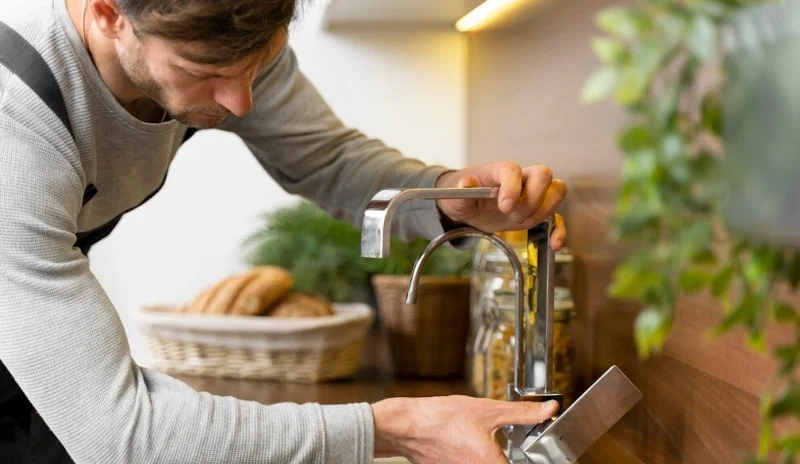
1. What Causes Low Water Pressure?
Low water pressure can be an incredibly frustrating issue to deal with, especially when you’re in the middle of a shower or trying to wash dishes. While there are many potential causes, understanding what’s behind the problem is the first step to fixing it. Here are some common causes of low water pressure:
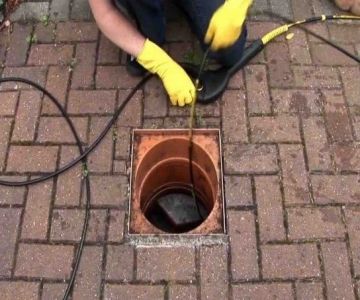
- Clogged Pipes: Over time, mineral deposits, rust, and debris can accumulate in your pipes, restricting the flow of water. This is especially common in older homes with galvanized steel pipes.
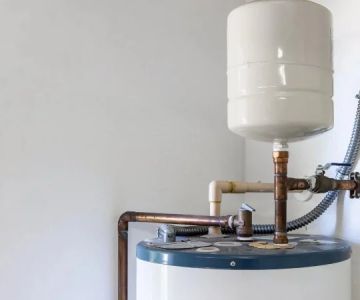
- Water Heater Issues: If your hot water pressure is low, the issue may be with your water heater. Sediment buildup inside the tank can cause a reduction in pressure.
- Faulty Pressure Regulator: A pressure regulator controls the flow of water into your home. If it’s malfunctioning, it can cause low water pressure throughout the house.
- Leaky Pipes: Leaks in your plumbing system can cause a significant drop in water pressure. Water may be escaping through cracks or holes in the pipes before reaching your faucets.
- Municipal Water Supply Problems: Sometimes the issue isn’t in your home, but with the local water supply. During periods of high demand, water pressure can drop, especially in larger areas.
2. How to Detect Low Water Pressure Issues
If you’re noticing a drop in water pressure, there are a few steps you can take to diagnose the problem. Start by identifying whether the low pressure is affecting only one fixture or the entire home:
- Check Multiple Fixtures: If only one faucet or showerhead has low water pressure, the problem is likely with that fixture. However, if all your fixtures are affected, the issue may be in the plumbing system.
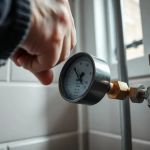
- Test the Water Pressure: You can measure water pressure using a pressure gauge. Simply screw the gauge onto an outdoor faucet and compare the reading to the standard water pressure range of 40-60 PSI.
- Inspect for Leaks: Walk around your home and check for signs of leaks, such as damp spots on walls, floors, or ceilings. If you find any, it may indicate a problem with the plumbing system.
3. Easy Fixes for Low Water Pressure
If you’ve determined that the issue is something you can fix yourself, there are a few simple DIY solutions to improve your water pressure:
- Clean Faucet Aerators: Mineral deposits can build up in faucet aerators, reducing water flow. Unscrew the aerator from the faucet, soak it in vinegar overnight, and scrub away any buildup.
- Replace the Showerhead: If your shower has low water pressure, try replacing the showerhead. Over time, showerheads can become clogged with mineral deposits, reducing the flow of water.
- Fix Leaky Pipes: If you find any leaks in your pipes, they need to be repaired as soon as possible. Use pipe repair tape or call a professional plumber to seal leaks and restore water pressure.
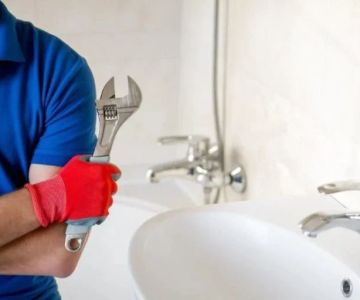
- Adjust the Pressure Regulator: If your home has a pressure regulator, it may need to be adjusted. If you’re comfortable working with plumbing systems, you can try adjusting the regulator yourself. Otherwise, it’s best to call a professional plumber.
4. When to Call a Professional Plumber
While there are plenty of DIY fixes you can try to improve your water pressure, some issues require professional assistance. If you’ve tried the basic fixes and your water pressure is still low, it’s time to call a plumber. Here are some situations where a professional is needed:
- Persistent Low Pressure: If low water pressure persists despite your efforts to fix it, there may be a more complex issue at play, such as a blockage deep within the pipes or a failing water pressure regulator.
- Corroded or Damaged Pipes: If your pipes are corroded or damaged, it’s essential to have them replaced by a professional plumber to prevent further issues like leaks and water damage.
- Water Heater Problems: If your hot water pressure is low, the issue may be with your water heater. A plumber can flush the tank to remove sediment buildup or replace faulty parts like the heating element.
5. Prevention Tips to Maintain Optimal Water Pressure
Once you’ve fixed your water pressure issues, it’s important to take steps to prevent problems in the future. Here are some maintenance tips:
- Regularly Clean Faucets and Showerheads: Cleaning faucet aerators and showerheads every few months can help maintain proper water flow and prevent buildup.
- Check for Leaks: Regularly inspect your plumbing system for leaks. Even a small leak can cause a significant drop in water pressure over time.
- Flush Your Water Heater: Sediment buildup inside your water heater can cause low hot water pressure. It’s a good idea to flush your water heater annually to keep it working efficiently.
- Hire a Professional for Annual Plumbing Inspections: Scheduling an annual plumbing inspection can help catch potential issues before they become major problems, ensuring your water pressure remains consistent.
6. Where to Find Water Pressure Solutions and Plumbing Services
If you need help diagnosing or fixing low water pressure, visit PlumberNear for expert plumbing services. Whether you're looking for a professional to fix leaky pipes or replace your water pressure regulator, PlumberNear connects you with trusted local plumbers who can get your water pressure back to normal.
 Beaudoin Plumbing Heating & AC4.0 (64 reviews)
 Wildcat Plumbing4.0 (206 reviews)
 Smiley Drain Plumbing & Drain Cleaning of Essex County4.0 (510 reviews)
 Jack J. Demo Plumbing and Heating3.0 (5 reviews)
 Advance Services Plumbing Contractor1.0 (1 reviews)
 High Rise mechanical5.0 (26 reviews)
 Avoid These Common Mistakes When Dealing with Low Water Pressure
 Why Is My Water Heater Broken? Common Causes and How to Fix It
 How Long Does It Take to Choose the Right Pipe Materials
 How to Fix a Blocked Sewer Line: Tips and Professional Help
 Expert Tips for Fixing a Running Toilet: Troubleshooting & Solutions
 Should I Replace or Repair Low Water Pressure?