
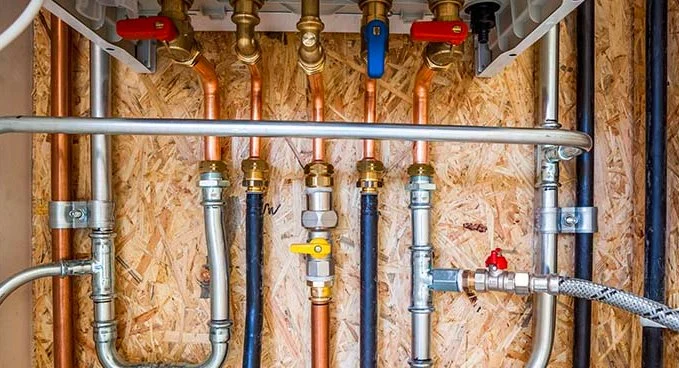
What to Do If Understanding Plumbing Codes
- Why Plumbing Codes Matter
- How to Read Plumbing Codes
- Common Plumbing Code Violations
- How to Comply with Plumbing Codes
- When to Call a Professional Plumber
1. Why Plumbing Codes Matter
Plumbing codes are essential rules that govern the design, installation, and maintenance of plumbing systems in homes and businesses. These codes ensure that plumbing work is done safely and effectively, preventing health hazards like water contamination, leaks, and structural damage. They also help maintain the longevity of plumbing systems by ensuring that everything is up to standard. If you’re a homeowner or planning to build, understanding plumbing codes is crucial to avoid potential risks, fines, or the need for costly repairs down the road.2. How to Read Plumbing Codes
Plumbing codes can be complex, but with the right approach, you can make sense of them. Here are some key tips for understanding plumbing regulations:- Know the Local Codes: Plumbing codes can vary by location, so it's important to familiarize yourself with the codes that apply to your area. In the U.S., codes are generally based on the International Plumbing Code (IPC), but local municipalities may have specific rules.
- Understand Key Terms: Plumbing codes include terms like "drainage system," "venting," and "water supply system." Understanding these basic terms will help you interpret the regulations better.
- Check the Code Books or Online Resources: Code books and online databases provide access to detailed regulations. Some websites offer easy-to-navigate summaries of the most important sections.
- Consult Experts: If you’re unsure, don’t hesitate to ask professionals like licensed plumbers or contractors. They can help clarify the codes and make sure you’re compliant.
3. Common Plumbing Code Violations
Even small mistakes can lead to significant plumbing issues. Here are some of the most common plumbing code violations:- Improper Venting: Vent systems are essential to allow wastewater to flow freely and prevent sewer gases from entering the home. Poor venting can cause blockages and health hazards.
- Incorrect Drainage: Drainage systems need to have the proper slope to ensure water flows efficiently. If the slope is incorrect, it can cause water to back up and lead to clogs.
- Inadequate Pipe Insulation: Pipes need to be insulated to prevent freezing in colder climates. Failure to insulate pipes properly can lead to pipe bursts and costly water damage.
- Using Non-Approved Materials: Always use materials that comply with plumbing codes. Using substandard materials, like non-certified pipes, can lead to failures and health risks.
4. How to Comply with Plumbing Codes
Complying with plumbing codes doesn’t have to be complicated. Here are a few tips to ensure your plumbing work meets all requirements:- Hire a Licensed Plumber: A professional plumber will be familiar with local plumbing codes and can ensure that all installations and repairs meet legal standards.
- Obtain Permits: In many cases, you’ll need a permit before starting plumbing work. Permits ensure that the work is inspected and complies with local codes.
- Use Quality Materials: Always use materials that meet the specifications outlined in the plumbing codes. This will ensure durability and safety for your plumbing system.
- Get Inspections: After plumbing work is completed, have it inspected to verify that it’s compliant with plumbing codes. Inspections can catch potential issues before they become serious problems.
 Empire Plumbing Services, Inc.0.0 (0 reviews)
 Battlefield Plumbing Inc4.0 (12 reviews)
 Absolute Plumbing LLC4.0 (10 reviews)
 Ranck Plumbing, Heating, AC & Excavation4.0 (863 reviews)
 Island Sewers4.0 (162 reviews)
 Agentis Plumbing4.0 (44 reviews)
 DIY Fixes for Choosing the Right Pipe Materials for Home Plumbing
 What Causes Installing a New Toilet?
 How Much Does It Cost to Maintain Your Plumbing System?
 How to Safely Understand Plumbing Codes | Plumbing Code Compliance for Homeowners
 Should I Replace or Repair Installing a New Toilet? | Expert Plumbing Tips
 Signs You Need Installing a New Toilet: How to Know When It’s Time