
Plumbing Warranty Records: Save Invoices, Parts, and Photos
On this page
- Why plumbing records matter
- Start with a home plumbing file
- Save estimates and final invoices
- Record parts and model numbers
- Understand warranty layers
- Take useful before-and-after photos
- Document hidden work
- Track maintenance and follow-up
- Prepare a warranty request
- Organize records for a home sale
- Protect private information
- Plumbing records checklist
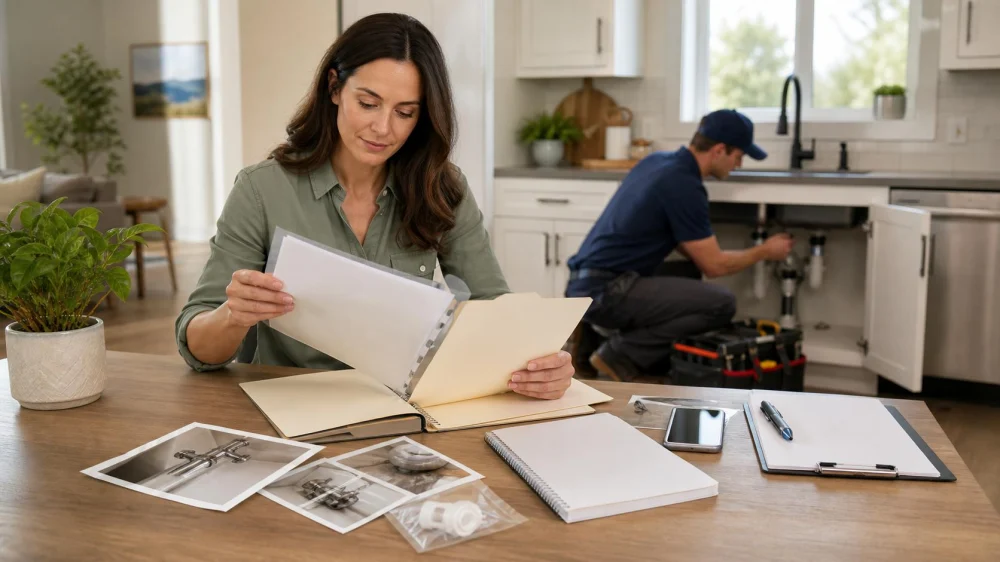
Plumbing work can disappear behind a wall, beneath a cabinet, or under the ground as soon as the repair is complete. Months later, a homeowner may remember that something was replaced but not know the part, installer, date, or warranty terms. A simple plumbing records system preserves those details while they are still easy to collect.
Good records help you describe a recurring problem, plan maintenance, order the correct replacement, and ask an informed question about warranty coverage. They do not prove that every future issue is covered, but they give the contractor, manufacturer, insurer, or next homeowner a clearer history to review.
Lawrence Plumbing And Heating / lawrence plumbing
708 E Lake Ave, Baltimore, MD 21212, USA
Why plumbing records matter
A plumbing repair may involve labor, manufacturer parts, finish materials, permits, and work by more than one trade. Each element can have a different warranty or documentation requirement. If all you keep is a credit card line item, it may be difficult to establish the scope of work or identify the installed equipment.
Records are also useful when symptoms return. The date of the previous visit, the exact location, what was observed, and what changed afterward can help a licensed plumber decide what to inspect next. Clear information reduces guesswork; it does not replace an on-site diagnosis.

Mike the Plumber / mike the plumber
1545 Ocean Ave A3, Bohemia, NY 11716, USA
Start with a home plumbing file
Create one folder for the property and divide it by area or system, such as kitchen, bathrooms, water heater, main supply, sewer or septic connection, exterior fixtures, and appliances. Use the same structure for paper and digital copies. A file name such as “2026-08-15_upstairs-bath_faucet-repair” is easier to sort than “invoice-new.”
At the front, keep a one-page index with the service date, contractor, location, short description, and link or folder name. Add emergency and routine contact details, but verify them before each use. A local business may change staff, hours, or service area.
Save estimates and final invoices
Keep the written estimate that you accepted and the final itemized invoice. They may not be identical: hidden damage, approved changes, or unused allowances can alter the final scope. Save written change approvals and payment receipts with both documents.
A useful invoice identifies the service address, date, company, work performed, installed parts or equipment, and amount paid. If the description is vague, ask the provider for clarification while the job is recent. Do not alter the original document; add your own notes as a separate file.
Record parts and model numbers
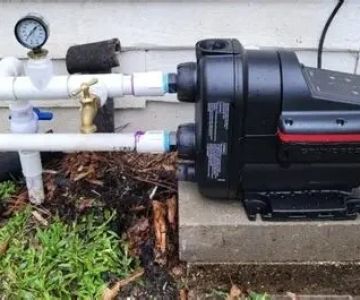
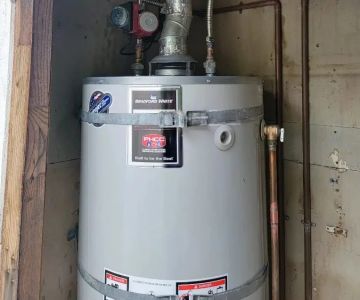
Photograph equipment labels and record the manufacturer, model number, serial number, size, finish, and installation date when relevant. Water heaters, pumps, disposals, filtration equipment, faucets, valves, fixtures, and appliances may all have identifying information. Keep product manuals and registration confirmations in the same folder.
Do not remove safety labels or reach into energized, hot, wet, or enclosed areas to photograph them. If a label is inaccessible, ask the installer to record the details on the invoice. For a small replacement component, save the package or a clear photo of its label if the plumber says it may matter later.
Understand warranty layers
There may be separate coverage for the manufacturer's product, a component inside it, and the contractor's labor. Terms can differ in duration, exclusions, transferability, registration, maintenance requirements, and who must start a claim. A long parts warranty does not necessarily include diagnosis, travel, labor, damage to surrounding materials, or replacement of another component.
Read the actual documents rather than relying on a headline number. Save the version supplied at purchase and note the registration deadline. Ask the installer which party to contact first and whether unauthorized work could affect coverage. Warranty language and consumer rights vary, so direct questions about a dispute to the relevant provider or a qualified adviser.
Take useful before-and-after photos
Before work begins, photograph the affected area from a wide angle and then capture the visible symptom, provided it is safe to do so. Include a nearby fixed feature for orientation. After completion, photograph the finished area, equipment labels, valve positions, access openings, and any instruction tags.
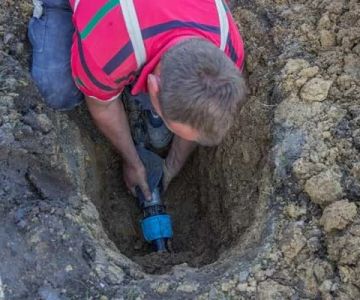
Images should document, not obstruct, the work. Never enter an excavation, remove a safety cover, handle exposed wiring, or stand in active wastewater for a better photo. Ask the technician before photographing people or proprietary paperwork. Store original image files with their dates intact and add brief captions.
Document hidden work
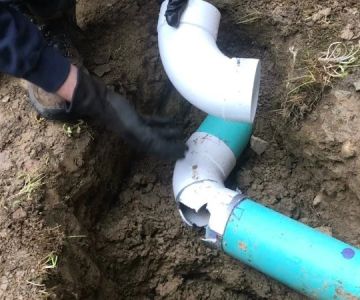
If pipes, fittings, drains, or valves will be covered by drywall, cabinetry, concrete, or landscaping, request safe progress photos before closure. A wide image should show the location; closer images can show the route and connections. Note measurements from stable reference points when the contractor can provide them.
Keep permits, inspection records, testing results, and marked plans when they apply. Do not interpret a photograph as proof that hidden work meets every requirement. Code compliance and required inspections are matters for the licensed professionals and local authority involved in the project.
Track maintenance and follow-up
Record maintenance dates and what was performed, especially when the manufacturer or installer requires it. Examples can include professional inspections, filter changes, flushing performed under appropriate guidance, treatment equipment service, or pump tests. Save receipts for products and professional visits.
After a repair, note what normal operation looks like and whether the original symptom stopped. If you see active leaking, sewage, loss of water, unusual heat, electrical hazards, or rapidly worsening damage, protect people first and contact an appropriate professional. Do not delay urgent action merely to make the record perfect.
Prepare a warranty request
Start with the contact route stated in the warranty or invoice. Provide the property address, owner name, installation and service dates, invoice number, product identifiers, a factual description of the current symptom, and safe photos or video. Explain when it began and whether water or power has been shut off.
Avoid taking equipment apart before receiving instructions. Unapproved repairs can create safety problems, destroy useful evidence, or affect coverage. Keep a log of calls, emails, names, reference numbers, requested actions, and promised dates. After each conversation, summarize what you understood and ask the provider to correct any error.
Organize records for a home sale
A concise plumbing history can help a future owner understand major replacements and recurring maintenance. Prepare copies of relevant invoices, permits, manuals, service logs, and transferable warranty documents. Label completed repairs accurately and avoid describing ordinary maintenance as a full system replacement.
Keep your personal working file separate from the handover packet. Remove payment card details, private correspondence, unrelated insurance data, lock codes, and documents containing sensitive personal identifiers. A real estate professional or attorney can advise what disclosures or records are appropriate for a specific transaction.
Protect private information
Digital records may include addresses, signatures, account numbers, images inside the home, and access details. Use a protected account with reliable backups and limit shared links to the people who need them. Do not send passwords or alarm codes in the same open document as the property address.
For paper files, choose a dry, accessible location away from the equipment that could leak. A copy stored beside a water heater is not useful if that area floods. Review the folder annually, remove obsolete access information, and retain older invoices where they still document the property's history.
Plumbing records checklist
- Accepted estimate, approved changes, final invoice, and payment receipt
- Contractor name, contact details, service date, and work location
- Manufacturer, model, serial number, part details, and installation date
- Product registration and separate parts and labor warranty terms
- Safe before, progress, label, access, and completed-work photos
- Applicable permits, inspections, test results, manuals, and plans
- Maintenance dates, receipts, follow-up visits, and observed symptoms
- Warranty calls, claim numbers, emails, names, and promised actions
- A privacy-checked packet for a future owner when appropriate
You do not need a complex app to maintain a useful plumbing history. Capture the invoice, identifiers, warranty terms, photos, and follow-up notes while each job is fresh. A consistent folder and one-page index can turn scattered receipts into a practical home record when a repair, claim, renovation, or sale brings the plumbing back into focus.
 Cannon & Noto Enterprise, INC0.0 (0 reviews)
 R V Richards & Sons Plumbing3.0 (3 reviews)
 Metro City Group4.0 (4 reviews)
 North River Plumbing & Water Filtration Co.0.0 (0 reviews)
 Dumais Plumbing & Heating4.0 (22 reviews)
 Potomac Plumbing & Gas Inc.4.0 (191 reviews)
 How to Handle Plumbing Emergencies in Your Home
 DIY Fixes for Understanding Plumbing Codes
 Plumbing Warranty Records: Save Invoices, Parts, and Photos
 Should I Replace or Repair Installing a New Toilet? | Expert Plumbing Tips
 How to Prevent and Fix Frozen Pipes: Essential Tips for Homeowners
 How to Install a New Bathtub Plumbing Drain: A Step-by-Step Guide