
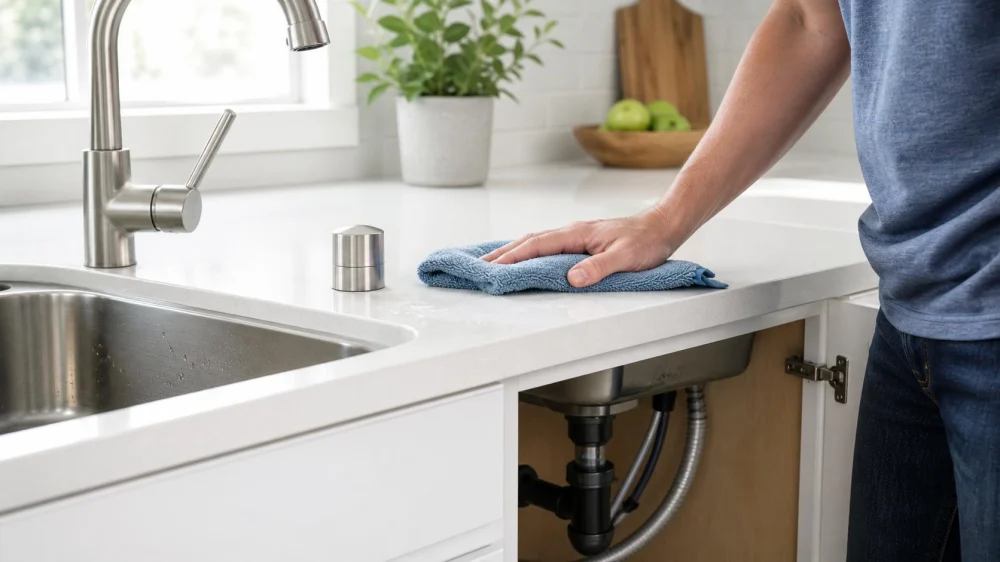
Dishwasher Air Gap Overflow: Safe Checks Before Repair
On this page
Quick answer
Water from a dishwasher air gap usually means drainage is restricted or routed incorrectly downstream, but the exact cause may involve the cap, hose, disposal connection, sink drain, or installation. Stop the dishwasher, protect the counter and cabinet, photograph when the overflow occurs, check only visible removable parts, and call qualified help before dismantling hoses or plumbing.

Warrior Plumbing & Heating / warrior plumbing
4123 Roland Ave, Baltimore, MD 21211, USA
Understand what the air gap is designed to do
A countertop dishwasher air gap separates the appliance drain path from the sink drainage system to reduce backflow risk. Discharge enters one side and should flow through a larger hose to an approved connection. Water appearing at the cap is a symptom that the outlet path cannot carry the discharge normally or the assembly has a fit or installation problem.
This guide is for homeowners and tenants in Boone, North Carolina, with a visible countertop air-gap device. It does not apply to every dishwasher installation and does not authorize code changes. Appliance warranties, leases, disposal configurations, local plumbing rules, and electrical safety determine who should inspect and repair the system.
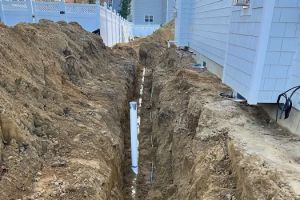
Sewer Xpress Corp / pipe xpress inc
Eastampton TownshipBurlington CountyNew Jersey
649 Powell Rd, Eastampton Township, NJ 08060, USA
Practical checklist
- Stop the dishwasher cycle and keep water away from receptacles, switches, appliance controls, seams, floors, and cabinet contents.
- Note whether overflow begins during drain phases, after disposal use, when the sink drains slowly, or after recent installation or service.
- Photograph the air gap, sink, disposal or drain connection, cabinet floor, and water path before moving items.
- Check whether the decorative cap is seated, cracked, or blocked by visible debris, removing it only if designed for routine cleaning.
- Observe sink drainage and disposal status without reaching into the drain, opening pipes, or running equipment with standing water near electricity.
- Look for kinked, crushed, loose, leaking, or improperly supported visible hoses without disconnecting clamps.
- Record appliance model, installation date, recent work, cleaner use, disposal replacement, and lease or warranty contacts.
Step-by-step plan
- Cancel the cycle according to the appliance manual, shut off power only by a known safe control when water threatens electrical parts, and contain water.
- Remove and rinse only the air-gap cap or inner piece the manufacturer identifies as user-serviceable.
- Reassemble the visible cap correctly and dry the counter, then avoid repeated full cycles as a test.
- If the sink or disposal is involved, follow its manual and never place hands or tools into a disposal chamber.
- Call a plumber or appliance technician with the timing, photos, hose observations, drainage pattern, and recent work history.
- After authorized repair, verify a supervised drain cycle, cabinet dryness, secure hoses, and written explanation of cause and work.
Log cycle stage, volume and direction of overflow, sink water level, disposal use, drain sounds, odour, leaks, error indicators, and cleanup. Keep installation and repair invoices plus before-and-after cabinet photos; hidden moisture can continue damaging particleboard, flooring, or adjacent finishes.
Limits and important notes
Do not cap or bypass the air gap, connect hoses in a new configuration, blow compressed air through lines, pour drain chemicals into appliance plumbing, loosen clamps while water remains, or work around live electricity. A temporarily clear cap does not prove the downstream hose, disposal inlet, drain, or installation is correct.
Stop use and seek prompt help for repeated flooding, wet electrical parts, burning smell, tripped protection, sewage backup, contaminated water, damaged cabinetry, leaking hose, or overflow that continues after simple cap cleaning. Call emergency services for shock, fire, severe chemical exposure, or another immediate danger.
Frequently asked questions
Can I run the dishwasher without the air-gap cap?
No. Reassemble the device as designed and do not modify or bypass it. The cap may direct discharge and protects the opening.
Does air-gap overflow mean the dishwasher is broken?
Not necessarily. The appliance, hose, disposal connection, sink drain, or installation may contribute. Timing and inspection are needed.
Can a new garbage disposal cause the problem?
A blocked or incomplete disposal inlet connection is one possible cause after installation, but checking it may require tools and safe procedures. Tell the plumber about recent work.
Should I use drain cleaner?
Do not add chemicals to appliance or sink plumbing without qualified guidance. They can damage components, create exposure, and endanger anyone opening the system.
Who should I call, a plumber or appliance technician?
A plumber often handles sink drainage, air-gap plumbing, and disposal connections; an appliance technician handles dishwasher faults. Describe the pattern so the providers can direct the call.
Sources and evidence
Use the dishwasher, air-gap, disposal, and sink manufacturer instructions plus installation and warranty records. The property manager or owner should confirm responsibility in a rental. A qualified Boone plumber or appliance technician must evaluate drainage, hose routing, connections, code compliance, and electrical exposure; a general guide cannot certify installation.
Conclusion and next steps
Stop the cycle, contain and document water, clean only the visible user-serviceable cap, and preserve electrical safety. The overflow is a signal, not the repair. Give qualified help the cycle timing, drain pattern, hose view, and recent work so the downstream restriction or installation fault can be corrected and verified.
 First Class Plumbing LLC3.0 (14 reviews)
 Ben Manis Plumbing LLC4.0 (54 reviews)
 Good News Drain Services5.0 (51 reviews)
 Stamford Plumbing4.0 (18 reviews)
 JR Swanson Plumbing4.0 (151 reviews)
 Gerhart Plumbing, Inc.4.0 (23 reviews)
 Why Is My Shower Head Losing Pressure? Causes and Solutions
 Should I Replace or Repair? Understanding Plumbing Codes in Your Home
 How to Replace a Water Shut-Off Valve: A Step-by-Step Guide
 Top Tips for Choosing the Right Pipe Materials for Your Plumbing Needs
 Washer Supply Hose Bulge: Shut Off Water Before It Bursts
 代码How to Identify Plumbing Leaks Without Professional Help