
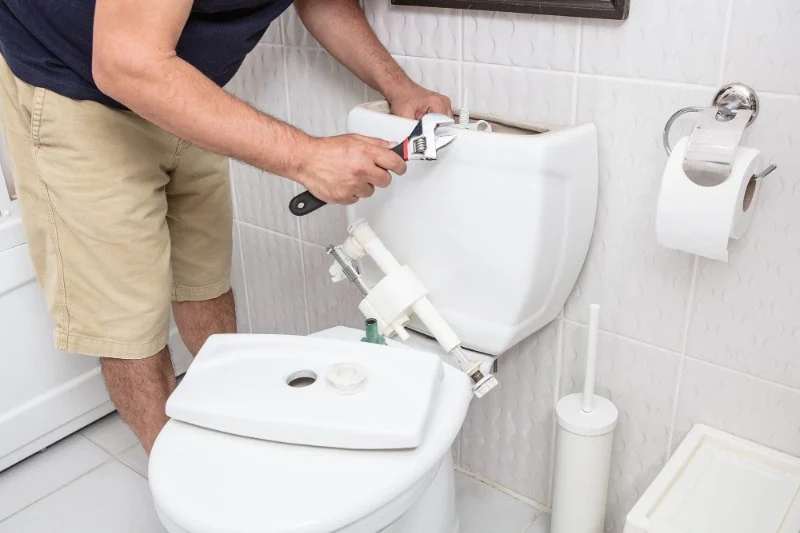
- 1-Understanding Why Your Toilet Is Running
- 2-Common Causes of a Running Toilet
- 3-How to Fix a Running Toilet
- 4-When to Call a Plumber
- 5-Preventing Running Toilets in the Future
1. Understanding Why Your Toilet Is Running
A running toilet is a common household issue that can waste a significant amount of water and drive up your water bill. When a toilet keeps running after being flushed, it typically means that there's an issue with the tank’s flushing mechanism. Understanding why your toilet is running can help you troubleshoot and repair the issue before it becomes more complicated or costly.
In most cases, the cause of a running toilet can be traced to the tank components like the flapper, fill valve, or float. These parts are responsible for stopping and starting the flow of water. When one of these components malfunctions, it can cause the toilet to keep running.

Warrior Plumbing & Heating / warrior plumbing
4123 Roland Ave, Baltimore, MD 21211, USA
2. Common Causes of a Running Toilet
There are several common issues that could be causing your toilet to run. Let’s take a closer look at each one:
Sewer Xpress Corp / pipe xpress inc
Eastampton TownshipBurlington CountyNew Jersey
649 Powell Rd, Eastampton Township, NJ 08060, USA
2.1 Faulty Flapper
The flapper is the rubber seal at the bottom of the toilet tank that controls the release of water when the toilet is flushed. If the flapper becomes worn out, cracked, or misaligned, it may fail to seal properly, allowing water to continuously flow from the tank into the bowl. This is one of the most common causes of a running toilet.
2.2 Malfunctioning Fill Valve
The fill valve controls the flow of water into the toilet tank. If the fill valve becomes clogged, damaged, or improperly adjusted, it may allow too much water to enter the tank or cause the tank to overfill, triggering the overflow tube. This can result in a running toilet that won't stop.
2.3 Incorrect Float Adjustment
The float regulates the water level in the tank. If the float is set too high, it can cause the tank to overfill and water to spill into the overflow tube, making the toilet constantly run. Conversely, if the float is set too low, it can prevent the tank from filling completely, leading to weak flushing or an incomplete flush.
2.4 Leaky Tank Components
Over time, the seals or gaskets in your toilet may begin to deteriorate, leading to water leaks that cause the tank to run continuously. These leaks can be tricky to detect, but they may cause noticeable water loss or a constantly running toilet.
3. How to Fix a Running Toilet
Fixing a running toilet can often be done with a few simple tools and some basic plumbing knowledge. Here’s a step-by-step guide to fixing the most common causes of a running toilet:
3.1 Replace the Flapper
If the flapper is the issue, replacing it is a straightforward fix. First, turn off the water supply to the toilet and drain the tank by flushing. Next, remove the old flapper by disconnecting it from the chain and unsnapping it from the overflow tube. Install the new flapper by attaching it to the overflow tube and connecting it to the chain. Adjust the chain for proper length, then turn the water back on and check for leaks.
3.2 Adjust or Replace the Fill Valve
If the fill valve is malfunctioning, you can try adjusting the height of the float or cleaning the valve to restore proper function. If cleaning and adjustments don’t work, replacing the fill valve may be necessary. To replace the fill valve, turn off the water supply, disconnect the old valve, and install the new one by following the manufacturer’s instructions. Be sure to adjust the float to the proper height for optimal performance.
3.3 Adjust the Float
If your toilet’s float is too high, it can cause the tank to overfill. To adjust the float, locate the adjustment screw on the float arm and turn it to raise or lower the float to the correct position. Typically, the water level should be about 1 inch below the top of the overflow tube when the tank is full. After adjusting, test the toilet to ensure the water stops at the correct level.
3.4 Replace Damaged Seals or Gaskets
If the issue is caused by worn-out seals or gaskets, you may need to replace them. To do this, turn off the water supply and drain the tank. Remove the tank from the bowl and replace any worn gaskets or seals. Reassemble the tank, reconnect the water supply, and check for leaks.
4. When to Call a Plumber
While many issues with a running toilet can be fixed with a few simple tools, there are situations where it’s best to call a professional plumber. If you’ve tried these fixes and the toilet is still running, or if you notice more serious issues like water damage or corrosion, it may be time to contact a plumber. Additionally, if you're uncomfortable with handling plumbing repairs yourself, hiring a plumber can ensure that the job is done correctly and safely.
5. Preventing Running Toilets in the Future
Once you've fixed your running toilet, it’s important to take steps to prevent the issue from happening again. Here are some helpful tips for maintaining your toilet:
5.1 Regular Inspections
Periodically inspect the parts of your toilet, such as the flapper, fill valve, and float. Checking for any signs of wear and tear or damage can help you catch potential problems before they become serious.
5.2 Maintain Water Pressure
Ensure that your home’s water pressure is within the recommended range (usually between 40-60 psi). High water pressure can cause wear on the toilet’s internal components and lead to problems like a running toilet. If necessary, install a pressure regulator to prevent excess pressure from damaging the plumbing system.
5.3 Use Quality Parts
When replacing components of your toilet, always choose high-quality parts. Investing in durable parts can help prevent future issues and keep your toilet functioning properly for years to come.
If you're facing persistent plumbing issues or need professional help with a running toilet, visit PlumberNear for expert advice, tools, and services to keep your plumbing in top shape.
 Duncan Plumbing & Heating Inc4.0 (11 reviews)
 A&P Plumbing and Heating5.0 (3 reviews)
 Briggs and Heino Plumbing, Heating & A/C5.0 (283 reviews)
 Marines Service Co.4.0 (1014 reviews)
 Paros Plumbing Heating & AC4.0 (41 reviews)
 Apex Sewer & Drain Cleaning4.0 (217 reviews)
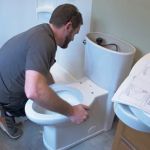 DIY Fixes for Installing a New Toilet – A Complete Guide
 Should I Replace or Repair a Broken Water Heater? Expert Guide for U.S. Homes
 Signs You Need Maintaining Your Plumbing System: Key Indicators
 How Much Does It Cost to Choosing the Right Pipe Materials for Your Project
 Avoid These Common Mistakes When Dealing with Low Water Pressure
 How to Safely Deal With Clogged Drains and Prevent Plumbing Issues