
Water Meter Moving With Everything Off: A Leak Check
Table of contents
Quick answer
If a water meter changes while every intended water user is off, the home may have a leak or an overlooked automatic device may be drawing water. Stop faucets, toilets, irrigation, ice makers, humidifiers, and water-treatment cycles; record the meter; then wait without using water and compare again. Continuous movement deserves prompt investigation. Never force a utility valve or enter a flooded meter box.
Landry Mechanical Inc Plumbing HVAC & Electric / landry mechanical
FraminghamMiddlesex CountyMassachusetts
763 Waverly St unit 32, Framingham, MA 01702, USA
Before you test the meter
A useful meter test depends on a true no-use period. A dripping faucet is obvious, but many household devices operate without someone opening a tap. Choose a quiet time when everyone can avoid water use for at least 30 minutes.
- Turn off all faucets and confirm shower valves are fully closed.
- Do not flush toilets during the test. Listen for a toilet that refills on its own.
- Pause dishwashers, washing machines, and any appliance connected to water.
- Disable scheduled irrigation and check that outdoor spigots are closed.
- Account for refrigerator ice makers, reverse-osmosis systems, water softeners, humidifiers, and automatic pet-water devices.
- Avoid using hot water; a water heater may draw replacement water after recent use.
Tell everyone in the home that the test is underway. One glass of water or a single toilet flush can look like a leak on a sensitive digital meter.
Go Green Plumbing, Heating, Air & Electrical / go green plumbing heating and air
GreensboroGuilford CountyNorth Carolina
300 Pomona Dr, Greensboro, NC 27407, USA
How to read the meter safely
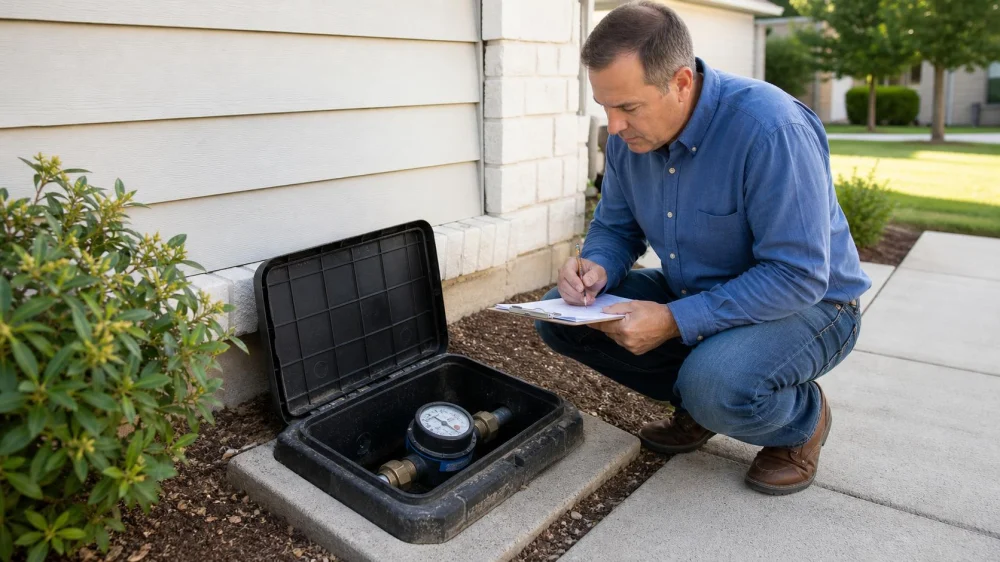
Water meters may be indoors, in a basement or crawlspace, or in a covered box near the street. The meter and curb-side valve may belong to the water utility. Open only a cover intended for customer access and follow local utility guidance.
- Inspect the area before reaching in. Stop if the box contains standing water, insects, sharp debris, damaged wiring, or an unstable cover.
- Photograph or write down the entire reading, including decimal places or small sweep-dial position.
- Note the time and whether a leak indicator, low-flow icon, or small triangle is moving.
- Leave the meter undisturbed. Do not turn the utility's curb stop or place tools on the meter body.
- Wait during the planned no-use period, then record the same indicators again.
Digital displays can cycle through several screens and may update in intervals. Watch long enough to understand the display pattern, and consult the utility's meter instructions if the symbols are unfamiliar.
Repeat and confirm the result
A single changed reading proves that water passed through the meter, but not necessarily why. Repeat the test after checking for an appliance cycle or accidental use. A photo with a timestamp makes comparison easier.
Fast, continuous movement suggests a more active leak than a tiny change over a long interval. However, meter sensitivity and display timing vary, so do not convert dial movement into a leak rate unless the utility publishes the correct method for that meter.
If the reading remains unchanged across a careful test, monitor again at another quiet time if the water bill or dampness still concerns you. Intermittent toilet leaks, irrigation faults, and appliance cycles can be missed during a short test.
Isolate common hidden water use
Work from the least disruptive checks toward more involved isolation. Do not disconnect supply hoses or dismantle pressurized fittings simply to find the source.
- Toilets: listen for brief refills and perform a tank dye test without flushing. A worn flapper can leak silently into the bowl.
- Irrigation: inspect valve boxes and wet landscape areas, and confirm the controller is not running a delayed or seasonal program.
- Appliances: look below the refrigerator, dishwasher, washer, and water-treatment equipment for moisture, mineral residue, or cycling sounds.
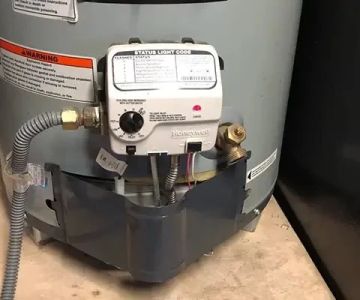
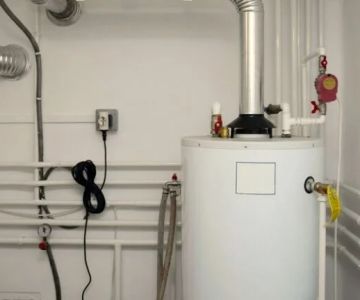
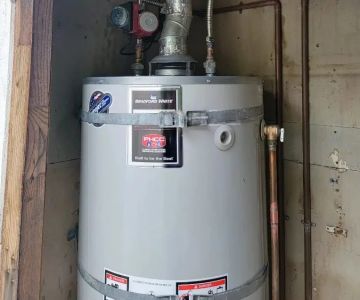
- Water heater: check the surrounding floor and visible connections. Do not cap or operate a temperature-and-pressure relief valve as a diagnostic shortcut.
- Outdoor lines: check spigots, hose connections, pools, fountains, and detached-building supplies.
If a fixture has its own sound, visible leak, or safely operable stop valve, a plumber may use that information to isolate it. Old or corroded stop valves can begin leaking when disturbed, so do not force them.
Separate an indoor leak from a service-line leak
A home's main shutoff can sometimes help determine whether metered water is escaping in the building or between the meter and the building. This test is appropriate only when you know which valve is the customer shutoff, it is accessible, and it operates normally.
- Record the meter while all water use is off.
- Close the home's main shutoff gently. Never force a stuck, corroded, or leaking valve.
- Check the meter again without touching the utility-owned valve.
- If meter movement stops, the leak is likely downstream of the home shutoff.
- If movement continues, contact the utility and a licensed plumber; the service line, shutoff, or meter area may need professional evaluation.
This result is a diagnostic clue, not final proof. Shutoff layouts vary, some homes have branches before the indoor valve, and certain meters report usage after a delay.
When to call a plumber or utility
Arrange prompt help when the meter shows continuous use that you cannot explain, the main shutoff does not work, water is surfacing in the yard, a wall or floor is damp, water pressure suddenly drops, or you hear water moving behind a closed surface. Use the main shutoff only if it operates safely and the leak is on the customer side.
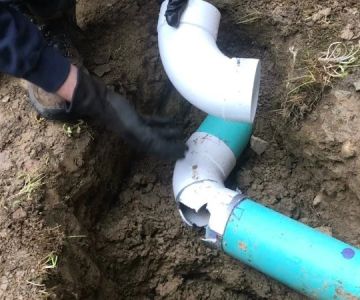
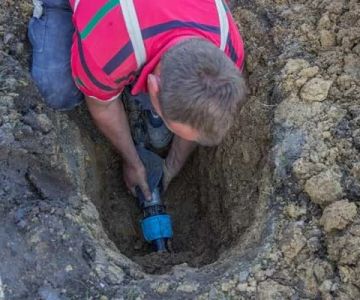
Contact the water utility for a flooded or damaged meter box, a suspected meter fault, unclear ownership boundaries, or movement that continues with the customer main valve closed. Report the meter reading, observation times, and any visible ground conditions. Do not excavate around a service line until underground utilities are located and the responsible party is established.
Leak-check checklist
- Schedule a no-use period and notify everyone in the home.
- Pause automatic fixtures, irrigation, appliances, and treatment cycles.
- Inspect the meter area without entering standing water or disturbing utility hardware.
- Record the complete reading, indicator position, and time.
- Wait at least 30 minutes with no water use and record again.
- Repeat the test if an appliance cycle or accidental use may have affected it.
- Check toilets, irrigation, appliances, heater area, and outdoor connections.
- Share photos and notes with the plumber or water utility.
Limitations
This guide covers a basic observational test for a typical metered residential water service. Meter displays, ownership boundaries, valve locations, and utility policies differ. A still meter during a short test cannot rule out an intermittent leak, and a moving meter does not identify the source by itself. Leak detection inside slabs, underground lines, concealed walls, fire-sprinkler systems, wells, or shared services requires specialized evaluation.
Frequently asked questions
Does any movement mean I definitely have a leak?
It means water was registered during the observation period. First exclude automatic devices and accidental use, then repeat the test. Persistent unexplained movement makes a leak more likely and justifies professional diagnosis.
How long should the meter test last?
Thirty minutes is a practical first check. A longer no-use period can reveal a very slow or intermittent loss, provided every occupant and automatic device remains accounted for.
Can I close the valve beside the street meter?
Do not operate a utility-owned curb stop unless the utility specifically authorizes you to do so. Use the home's customer shutoff only when you can identify it and it moves safely.
Why is the meter box full of water?
Rain and drainage can collect in some boxes, but a plumbing leak is also possible. Do not reach into a flooded box. Photograph the condition from a safe position and contact the utility for guidance.
Will a high water bill tell me where the leak is?
No. Billing history can show unusual consumption, but it cannot locate the source. Meter tests, fixture isolation, moisture inspection, and professional leak-detection methods narrow the problem.
Next steps
Keep the starting and ending readings, times, photos, recent bills, and a list of devices that were paused. Note damp areas, unusual sounds, and whether closing the customer main changed meter movement. These observations help a Boone-area plumber or the water utility choose the safest next diagnostic step.
 JV Plumbing4.0 (38 reviews)
 Learjet Plumbing5.0 (90 reviews)
 Make It Flow5.0 (91 reviews)
 Mark Kaczala Plumbing & Heating Inc5.0 (11 reviews)
 Whittaker Water Tech LLC5.0 (227 reviews)
 G&C Plumbing & Heating5.0 (485 reviews)
 Best Ways to Maintaining Your Plumbing System – Expert Tips for U.S. Homeowners
 Avoid These Mistakes When Finding a Reliable Plumber
 Best Ways to Fix a Broken Water Heater: Common Problems and Solutions
 How to Unclog a Bathtub Drain Safely and Effectively
 Expert Advice on a Broken Water Heater
 What Causes Preventing Winter Plumbing Issues