
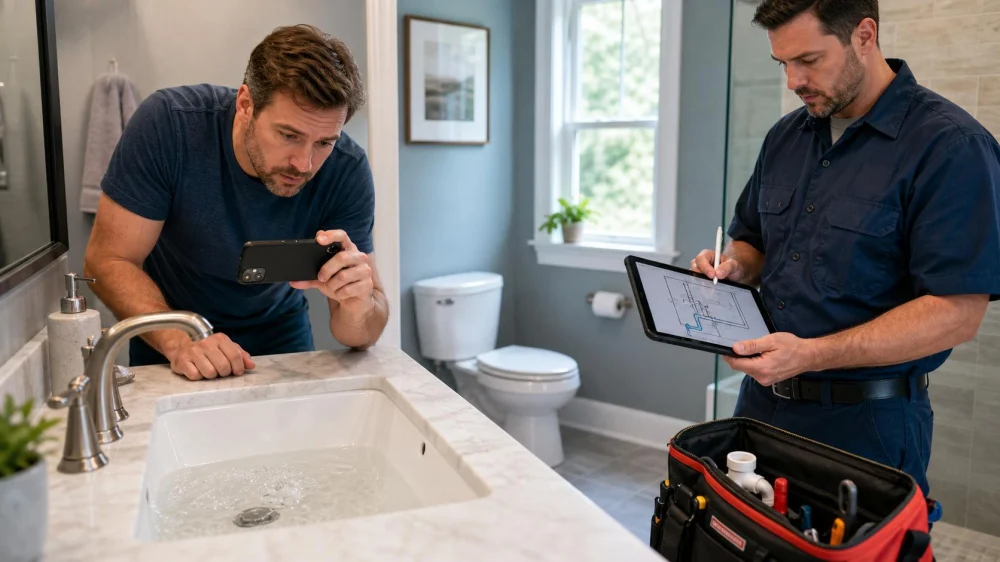
Why a Sink Gurgles When Another Fixture Drains
On this page
Quick answer
A sink that gurgles when a toilet, shower, washer, or another sink drains usually signals air moving through water in the drain system. A partial blockage, restricted vent, dry or siphoned trap, or larger branch or main-drain problem may be involved. Map which fixtures trigger it, stop using fixtures if water backs up, and call a plumber when the pattern spreads or persists.
JetBlast Inc. Water Blasting Sewer & Drain Cleaning / jet blast drain cleaning
BaltimoreAnne Arundel CountyMaryland
6800 Fort Smallwood Rd, Baltimore, MD 21226, USA
What the gurgle means
A plumbing trap holds water to block sewer gases. Drains also need air movement so wastewater flows without pulling or pushing through trap water. A gurgle is evidence of pressure change, but sound alone cannot identify the location.
One slow sink that gurgles by itself suggests a local issue. A sink reacting to a toilet or washer, especially on the same floor, points toward a shared branch or vent. Multiple low fixtures reacting can indicate a more serious downstream restriction.
Landry Mechanical Inc Plumbing HVAC & Electric / landry mechanical
FraminghamMiddlesex CountyMassachusetts
763 Waverly St unit 32, Framingham, MA 01702, USA
Map the fixture pattern
- List every fixture that makes the sound and every fixture that triggers it.
- Note slow drainage, bubbles, odour, changing toilet-bowl level, or water movement.
- Record which floor and approximate drain line the fixtures share.
- Note rain, freezing weather, recent work, guests, or heavy laundry use.
- Stop tests immediately if water rises or backs up.
A short video with both the triggering fixture and reacting drain can help, but repeated flushing can turn a warning into an overflow.
Safe homeowner checks
- Confirm an infrequently used trap contains water.
- Remove visible hair or debris from an accessible stopper using gloves.
- Check whether one fixture or several are slow.
- Look for accessible leaks around the trap without loosening pipes.
- Check the sewer cleanout area visually for overflow, without opening a pressurised cap.
Do not climb onto a roof to inspect a vent, insert tools into unfamiliar piping, or dismantle a trap after using chemical drain cleaner.
Likely cause categories
Local blockage: debris near one trap or fixture slows flow and displaces air. Shared branch restriction: another fixture’s discharge pushes air toward the sink. Vent restriction: leaves, nests, ice, damage, or improper installation can limit air. Main drain problem: several fixtures, especially low ones, slow or back up. Installation issue: incorrect trap, slope, vent distance, or appliance connection may create recurring symptoms.
When to call promptly
Stop water use and call a plumber for sewage backup, water rising in a tub or shower when a toilet flushes, multiple slow fixtures, overflow at a cleanout, strong sewer odour, repeated trap-water loss, or symptoms worsening quickly. Keep people and pets away from sewage and avoid contact.
In Boone, freezing temperatures can affect exposed venting and drains, but safe roof or frozen-pipe diagnosis belongs to qualified professionals.
What to tell the plumber
- Which fixture triggers which sound.
- Whether drainage is slow or water level changes.
- Floors and rooms involved.
- When the problem began and whether it is intermittent.
- Recent plumbing work or products placed down drains.
- Any sewage, odour, cleanout overflow, or freezing exposure.
Prevention checklist
Keep grease, wipes, hygiene products, food scraps, and excess hair out of drains; use strainers; run water in rarely used traps; maintain septic systems if applicable; and address slow drains before several fixtures are affected. Do not treat recurring gurgling with repeated chemical cleaner.
Important notes and limitations
This article cannot locate a blockage or confirm code compliance. Drain and vent layouts vary, and municipal sewer or septic problems can resemble building plumbing faults. Local North Carolina codes, the property’s actual system, and a licensed plumber’s inspection control repair decisions.
Evidence and source notes
The diagnostic sequence follows standard drainage practice: identify the interacting fixtures, distinguish local from shared symptoms, protect trap seals, stop when backup appears, and inspect the branch, vent, building drain, sewer or septic path as indicated. Manufacturer instructions and local plumbing code apply to tools and repairs.
Frequently asked questions
Can a gurgling sink fix itself?
A brief isolated sound may not recur, but persistent or spreading gurgling warrants investigation before backup develops.
Should I pour drain cleaner into it?
Not as a diagnostic step. Chemicals may not reach the cause, can damage materials, and create handling risk for later service.
Can a blocked roof vent cause gurgling?
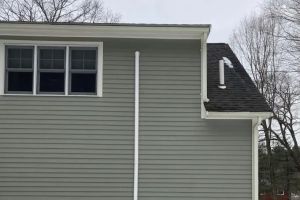
Yes, but a drain restriction can sound similar. Do not climb onto the roof; let a professional test the system.
Why does the washer trigger the sound?
A washer releases water quickly, revealing limited capacity or air movement in a shared drain.
Is sewer odour related?
It can indicate a lost trap seal, leak, or vent problem. Ventilate safely and arrange service rather than masking the smell.
Next steps
Map the triggering and reacting fixtures, stop repeated testing, record slow drainage or water-level changes, and call a plumber if the sound persists or affects several fixtures. Stop all water use immediately if sewage or backup appears.
 Rooter-Man4.0 (341 reviews)
 A & T Plumbing Heating & Mechanical Co Inc4.0 (32 reviews)
 John F. Kelius Excavating, Inc.3.0 (10 reviews)
 Robert L. Gray Co., Inc. Plumbing & Heating4.0 (14 reviews)
 Tyngsboro Plumbing & Heating5.0 (2 reviews)
 Thomas Plumbing Services Walkertown NC4.0 (22 reviews)
 What Causes Mold Around Toilet Base and How to Prevent It
 How to Install a Whole House Water Filter System
 How to Prevent Tree Roots from Damaging Your Sewer Line
 Is It Safe to Detect a Hidden Water Leak? A Complete Guide
 How to Install a New Bathroom Plumbing Drain Line – Step-by-Step Guide
 When Should You Call a Plumber for Sewer Line Backups?