
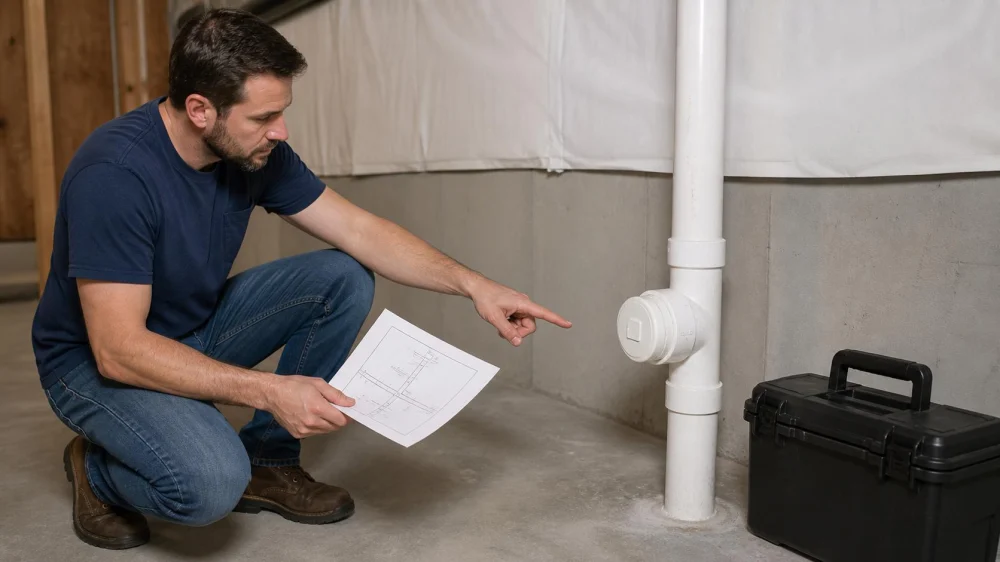
Plumbing Cleanout Cap: Locate It, Don’t Open It Casually
On this page
Quick answer
A plumbing cleanout is a capped access point used to inspect or service a drain. Locate and photograph it, keep the route clear, and note its size and condition—but do not loosen the cap during a backup. Wastewater may be pressurised behind it, and a stuck or damaged fitting can break. Let a licensed plumber choose the safe opening and containment method.
This guide covers common U.S. residential drain cleanouts. Pipe materials, locations, codes, and hazards vary.
Hardy Plumbing / hardy plumbing
Port ClintonSchuylkill CountyPennsylvania
149 Penn St, Port Clinton, PA 19549, USA
What a cleanout is for
Cleanouts provide access for drain cables, cameras, flushing, or other professional service. They may be indoors near a main stack, in a basement or crawlspace, outside near the foundation, or in the yard. Some systems have several.
The cap seals sewer gas and wastewater inside the piping. It is not a routine valve, drain plug, or place to pour chemicals.

Mike the Plumber / mike the plumber
1545 Ocean Ave A3, Bohemia, NY 11716, USA
Identify without guessing
Look for a capped branch fitting on drain piping or a ground-level access shown on building plans. Photograph the wider area and the fitting without moving it. A plumber can confirm whether it is a sanitary cleanout, storm-drain access, backwater valve cover, or another component.
Do not confuse gas piping, water valves, electrical conduits, radon piping, sump components, or septic access with a drain cleanout. Never test identity by opening a cap.
Keep access clear
Maintain a dry, lighted path with enough working room. Do not bury an outdoor cleanout under landscaping, concrete, storage, or a locked structure. Indoors, keep boxes and chemicals away and protect the cap from impacts.
Record its location for household members and emergency contacts. If it is hidden or damaged, ask a plumber about a code-compliant access improvement rather than extending it informally.
Cleanout checklist
- Locate visually. Use plans, inspection records, and visible piping.
- Confirm professionally. Ask a plumber when identity is uncertain.
- Photograph context. Include nearby walls, fixtures, and exterior landmarks.
- Check condition. Note cracks, corrosion, leakage, odour, missing plugs, or disturbed soil without touching.
- Clear access. Move ordinary storage safely, not fixed construction.
- Protect the area. Keep children and pets away.
- Report backup clues. List affected fixtures, sounds, levels, and recent drain work.
- Leave opening to service. Let trained personnel control pressure and sewage exposure.
When to call a plumber
Call promptly for sewage backup, multiple slow drains, gurgling with rising fixture water, sewer odour, leakage around the cap, a broken fitting, or an inaccessible main cleanout. Stop using water when continued discharge may worsen a backup.
Tell the plumber whether toilets, tubs, floor drains, or lower-level fixtures are affected and whether chemicals were used. This helps plan equipment and protective measures.
Safety limits
- Do not stand in front of or over a cap during a backup.
- Do not use a torch, impact tool, or excessive leverage on a stuck cap.
- Do not mix or add drain chemicals through a cleanout.
- Avoid contact with sewage; follow professional cleanup guidance.
- Leave crawlspaces, confined areas, septic tanks, and suspected gas hazards to trained professionals.
- Keep electrical equipment away from wastewater.
Frequently asked questions
Can I open a cleanout to see if it is clogged?
That can release wastewater or sewer gas. Call a plumber, especially when fixtures are backed up.
Should a cleanout cap be glued?
Designs vary. Do not modify it; a plumber can identify the proper plug and seal.
Why is water leaking around the cap?
A backup, damaged threads, failed plug, or cracked fitting may be involved. Reduce water use and arrange service.
Can I cover an outdoor cleanout?
It should remain protected yet accessible under local requirements. Ask before landscaping or paving over it.
Does every house have one cleanout?
Availability and location depend on age, design, and local code. A plumber can determine service access.
Sources and evidence notes
This article reflects common plumbing safety practice: identify access points, preserve service clearance, avoid opening a backed-up system, and control sewage and pressure with proper equipment.
Use local plumbing codes, building records, and a licensed plumber for the property.
Conclusion and next steps
Find and document the cleanout before an emergency, then leave the cap closed. Keep the path visible and report damage early. During a backup, reduce water use, protect people from sewage, and give the plumber clear access and symptom details rather than trying to release the blockage by opening the cap.
 Tommys Plumb Perfect inc.5.0 (3 reviews)
 HandyPro Home Services5.0 (19 reviews)
 Stay True Plumbing4.0 (23 reviews)
 All A's Plumbing and Heating4.0 (138 reviews)
 Triple C Plumbing Service5.0 (33 reviews)
 Hall & Sons Plumbing LLC4.0 (114 reviews)
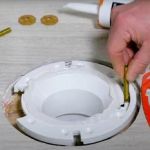 Step-by-Step Guide on How to Replace a Broken Toilet Flange | Reliable Plumbing Tips
 Best Ways to Reducing Your Water Bill: Expert Tips
 Understanding Why Your Water Heater Is Making Knocking Sounds
 Top Tips for a Broken Water Heater | Troubleshooting & Repair Solutions
 Hard Water Signs in Home and Effective Solutions to Fix It
 How Often Should You Maintain Your Plumbing System