
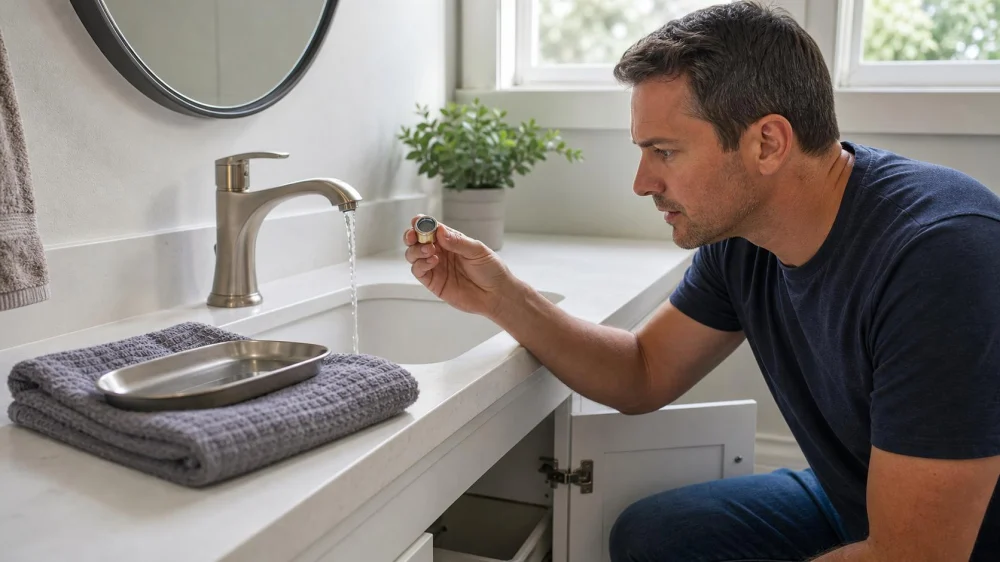
One Faucet Has Low Flow? Isolate the Cause Before Repair
On this page
Quick answer
When only one faucet has weak flow, compare its hot and cold sides and test nearby fixtures before assuming the whole home has low pressure. Look for leaks under the sink and visible scale at the spout. If the model permits owner service, shut the fixture off and inspect or clean the aerator according to its manual. Stop for hidden leaks, damaged valves, contaminated water, or uncertain parts.

Sewer Xpress Corp / pipe xpress inc
Eastampton TownshipBurlington CountyNew Jersey
649 Powell Rd, Eastampton Township, NJ 08060, USA
Use the pattern to narrow the fault
Low flow at one outlet can involve the aerator, spray head, supply hose, shutoff valve, cartridge, debris, or fixture design. Low flow at many outlets suggests a broader supply or pressure issue. Hot-only or cold-only weakness points to that side of the system. EPA WaterSense advises monitoring faucets and connections for leaks and inspecting scale or calcium buildup that may restrict an aerator. Diagnosis still depends on the exact fixture and plumbing.
This guide is for U.S. occupants making noninvasive observations at an accessible household faucet. Renters should follow lease and maintenance rules. It does not authorize work on shared building systems, wells, water heaters, concealed piping, or components requiring a licensed plumber.

Warrior Plumbing & Heating / warrior plumbing
4123 Roland Ave, Baltimore, MD 21211, USA
Practical checklist
- Test the faucet at a normal handle position and note whether flow changed suddenly or gradually.
- Compare hot only, cold only, and mixed flow without risking a burn.
- Test nearby faucets and showers to see whether the issue is isolated or widespread.
- Look and listen under the sink for drips, spray, staining, dampness, or a kinked hose.
- Check whether both fixture shutoff valves appear fully open, but do not force a stuck valve.
- Inspect the spout end or spray head for visible scale and identify the model and aerator type.
- Follow manufacturer directions before removing, soaking, cleaning, or replacing any part.
- Call for help if flow, leaks, water quality, or valve condition remains unexplained.
Step-by-step plan
- Record when the change began and whether any utility, construction, freeze, or recent repair coincided with it.
- Compare the pattern across temperature settings and other fixtures, then stop testing if water is discoloured or smells unusual.
- Dry the cabinet and connections, run the faucet briefly, and recheck for new moisture.
- Find the faucet manual and determine whether the aerator is exposed, recessed, keyed, or integrated into a spray head.
- If permitted, close the drain, protect the finish, remove the aerator with the specified tool, and note the part order.
- Clean scale or replace the correct part as directed, reinstall without overtightening, and test slowly for flow and leaks.
- If the issue persists, restore the area, close the faucet, and give the plumber your pattern and observations.
Record faucet location and model, onset, hot and cold comparison, other affected fixtures, visible scale, shutoff position, leak evidence, water colour or odour, parts removed, photos of part order, product used, and result after reassembly.
Limits and important notes
An aerator is only one possible cause. Removing flow-control parts can waste water, cause splash, violate specifications, or hide a pressure problem. Some recessed aerators require a model-specific key. Chemical cleaners can damage finishes, seals, septic systems, or water quality. Do not adjust a pressure regulator or dismantle a valve based on an isolated symptom.
Stop and shut off the fixture or home supply as appropriate for active leakage, then call a plumber or property manager. Seek prompt help for discoloured, contaminated, unusually hot, or foul-smelling water; a valve that will not operate; damage behind a wall; widespread pressure loss; or repeated debris. Follow local utility notices for service interruptions or possible contamination.
Frequently asked questions
Does one weak faucet mean low house pressure?
Not necessarily. Compare other fixtures and hot versus cold flow. An isolated aerator, hose, valve, cartridge, or fixture issue may be more likely.
Can I remove the aerator permanently?
That can increase water use and splashing or violate fixture performance. Clean or replace it with the correct part instead.
Should I force a stuck shutoff valve open?
No. A corroded or stuck valve can leak or break. Stop and ask a plumber or property manager.
What replacement should I choose?
Match the faucet manufacturer and intended use. EPA recommends WaterSense-labelled lavatory faucets or aerators when replacement is needed.
Sources and evidence
EPA WaterSense Home Maintenance guidance recommends watching faucets and under-sink connections for leaks, inspecting scale or calcium buildup that can restrict flow, and cleaning or replacing aerators when needed. EPA also recommends WaterSense-labelled lavatory replacements. The fixture manual, local code, lease, and plumber's assessment control model-specific work.
Conclusion and next steps
Map the flow pattern before buying a part. If the issue is isolated and the manual permits aerator service, protect the finish, keep the parts in order, and test for leaks afterward. Escalate widespread changes, water-quality concerns, damaged valves, or persistent low flow with your notes ready.

 Rely Mechanical4.0 (32 reviews)
 Liberty Mechanical Contractors5.0 (7 reviews)
 Margel Contractors LLC0.0 (0 reviews)
 L&B Mechanical | Brooklyn NY | Water Heater Installation | Plumbing5.0 (137 reviews)
 Kevin's Plumbing & Heating Inc4.0 (43 reviews)
 Order A Plumber5.0 (189 reviews)
 How Long Does It Take to Detect a Hidden Water Leak? Expert Insights
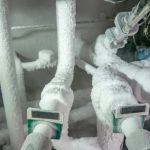 Preventing Winter Plumbing Issues: Tips, Maintenance, and Emergency Solutions
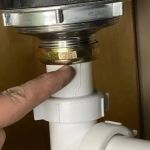 How to Fix a Leaking Pipe Under the Sink: A Step-by-Step Guide
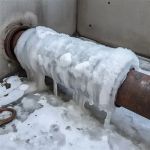 What Causes Plumbing Pipes to Freeze Quickly? Cold Weather Pipe Freeze Guide
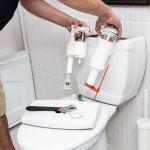 How to Fix a Running Toilet Without Calling a Plumber
 Why Is My Kitchen Sink Filling with Water When Washing Machine Drains?