
Low Water Pressure at One Faucet: Safe Checks First
On this page
Quick answer
If only one faucet has low flow, compare hot and cold, check other fixtures, inspect the aerator or spray head for debris, and look for a kinked supply line or visible leak. Shut off water before disconnecting parts. Do not force a stuck valve or dismantle a cartridge without the correct procedure. Call a plumber for leaks, corrosion, recurring debris, or hidden restrictions.
This guide covers basic checks in U.S. homes. Faucet designs and local plumbing conditions vary, so use manufacturer instructions and a licensed plumber when access or diagnosis is uncertain.
Bill Trombly Plumbing - Heating - Cooling - Electric / jim trombly heating
ManchesterHillsborough CountyNew Hampshire
76 Maple St, Manchester, NH 03103, USA
Narrow down the problem
Test nearby fixtures. If the whole home or several fixtures changed, the cause may involve the main supply, pressure regulator, well system, utility work, a leak, or a partly closed valve rather than one faucet.
At the affected faucet, compare hot-only, cold-only, and mixed flow. One weak side can point toward that supply, shutoff, hose, or faucet passage. Both sides being weak makes the outlet, aerator, spray head, shared faucet body, or local supply a stronger clue.
Record whether the change was sudden, followed plumbing work, occurs only with a pull-down sprayer, or includes noise, cloudy water, particles, discolouration, or leaking.
JetBlast Inc. Water Blasting Sewer & Drain Cleaning / jet blast drain cleaning
BaltimoreAnne Arundel CountyMaryland
6800 Fort Smallwood Rd, Baltimore, MD 21226, USA
Inspect the aerator safely
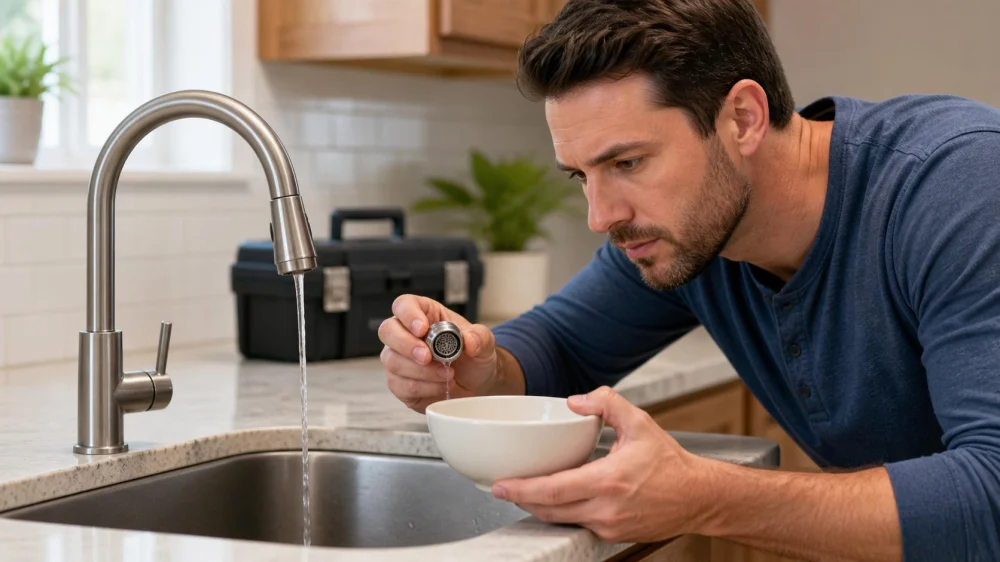
The aerator is the screen assembly at many faucet outlets. Mineral scale and debris can restrict it. Close the drain, protect the finish, and remove the aerator only as the faucet maker directs. Keep washers and screens in order.
With the aerator removed, a brief controlled test can show whether outlet flow improves. Prevent splashing and stop if the faucet behaves unexpectedly. Clean reusable parts with a compatible method; replace damaged pieces with the correct model.
Pull-down spray heads may have separate screens, check valves, and modes. Do not poke holes larger or use harsh chemicals that can damage seals and finishes.
Check visible supply clues
Look beneath the sink with the area dry and well lit. Check flexible lines for sharp bends, crushing, corrosion, bulges, rubbing, or moisture. Do not twist a line while moving stored items.
A fixture shutoff may be partly closed, but an old or corroded valve can leak when operated. Do not force it. If recent service involved closing valves, ask the plumber or use the documented procedure rather than applying a wrench.
Moisture, cabinet swelling, staining, mould odour, or a meter that moves unexpectedly can indicate a leak needing prompt attention.
Troubleshooting checklist
- Compare fixtures. Decide whether the problem is local or widespread.
- Compare hot and cold. Note which side is affected.
- Dry the cabinet. Look for active drips and old water marks.
- Inspect the outlet. Follow manufacturer steps for the aerator or spray head.
- Check visible lines. Look without bending, disconnecting, or forcing valves.
- Review recent work. Note repairs, utility outages, filter changes, or water-heater service.
- Test once. Reassemble correctly and compare flow without leaving water unattended.
- Escalate uncertainty. Use a licensed plumber for hidden, corroded, or recurring faults.
When to call a plumber
Arrange service for an active leak, damaged supply line, stuck or corroded shutoff, low flow that persists with the outlet clear, repeated sediment, water quality changes, or symptoms across multiple fixtures. A plumber may check supply pressure, valves, cartridge, hoses, filters, branch piping, and wider system conditions.
Provide the fixture location, hot/cold pattern, other affected fixtures, start time, photos, recent work, and what you safely checked. Do not conceal chemical use or a forced part.
Safety limits
- Stop and shut off water at a known safe valve when a connection begins leaking.
- Do not force old shutoffs, corroded fittings, or decorative faucet parts.
- Keep water away from outlets, disposals, and electrical equipment; cut power safely when required.
- Do not mix descaling or drain chemicals.
- Do not drink water with unexplained contamination, odour, or colour; use appropriate local guidance.
- Know the main shutoff before disconnecting any supply component.
Frequently asked questions
Why is only the hot water weak?
The hot-side valve, hose, cartridge passage, debris, or upstream hot-water system may be involved. Compare other hot fixtures and seek service when unclear.
Can vinegar clean a faucet aerator?
It may be compatible with some removable parts, but finishes, rubber, and manufacturer instructions vary. Confirm before soaking.
Why did pressure drop after plumbing work?
Debris may have reached the aerator, a valve may be partly closed, or another change may exist. Contact the service provider when timing aligns.
Is low flow the same as low pressure?
Not exactly. A local restriction can reduce flow while system pressure remains normal. A plumber can measure and distinguish them.
Should I replace the cartridge?
Only after confirming the faucet model, shutoff condition, diagnosis, and procedure. Cartridge removal can create leaks or damage.
Sources and evidence notes
This article reflects common plumbing diagnosis: establish scope, compare hot and cold, inspect the outlet and visible supply, avoid forcing valves, and escalate hidden or leaking conditions.
Use the faucet manual, local utility notices, water-quality guidance, and a licensed plumber for the actual system.
Conclusion and next steps
First decide whether the problem belongs to one faucet or the wider home. Then compare hot and cold, inspect for leaks, and check the removable outlet only with the correct instructions. If flow remains weak or valves and lines look questionable, stop before disassembly and give a plumber the pattern you recorded.

 Tommys Plumb Perfect inc.5.0 (3 reviews)
 HandyPro Home Services5.0 (19 reviews)
 Stay True Plumbing4.0 (23 reviews)
 All A's Plumbing and Heating4.0 (138 reviews)
 Triple C Plumbing Service5.0 (33 reviews)
 Hall & Sons Plumbing LLC4.0 (114 reviews)
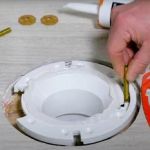 Step-by-Step Guide on How to Replace a Broken Toilet Flange | Reliable Plumbing Tips
 Best Ways to Reducing Your Water Bill: Expert Tips
 Understanding Why Your Water Heater Is Making Knocking Sounds
 Top Tips for a Broken Water Heater | Troubleshooting & Repair Solutions
 Hard Water Signs in Home and Effective Solutions to Fix It
 How Often Should You Maintain Your Plumbing System