
- 1 - Understanding Low Hot Water Pressure
- 2 - Common Causes of Low Hot Water Pressure
- 3 - How to Troubleshoot Low Hot Water Pressure
- 4 - Solutions to Fix Low Hot Water Pressure
- 5 - When to Call a Plumber for Hot Water Pressure Issues
1 - Understanding Low Hot Water Pressure
Low hot water pressure can be incredibly frustrating, especially when you’re trying to enjoy a hot shower or fill a bathtub. The pressure at which water flows from your pipes can greatly impact the comfort and functionality of your home. Understanding why low hot water pressure occurs is the first step in troubleshooting the problem and restoring normal water flow.
In many cases, the cause of low hot water pressure is something simple that can be easily addressed. However, it can also be a sign of a deeper plumbing issue that needs professional attention. Whether it's your shower, faucet, or dishwasher experiencing reduced pressure, the solution can often be straightforward if you know what to look for.
JetBlast Inc. Water Blasting Sewer & Drain Cleaning / jet blast drain cleaning
BaltimoreAnne Arundel CountyMaryland
6800 Fort Smallwood Rd, Baltimore, MD 21226, USA
2 - Common Causes of Low Hot Water Pressure
There are several potential causes of low hot water pressure in your home. Understanding these common issues can help you identify the source of the problem and determine the best course of action.
- Clogged Pipes: Over time, mineral deposits, rust, or debris can accumulate in your pipes, narrowing the water flow and causing low pressure.
- Faulty Pressure Regulator: Your home’s water pressure may be regulated by a pressure regulator. If this part malfunctions, it can affect both hot and cold water pressure.
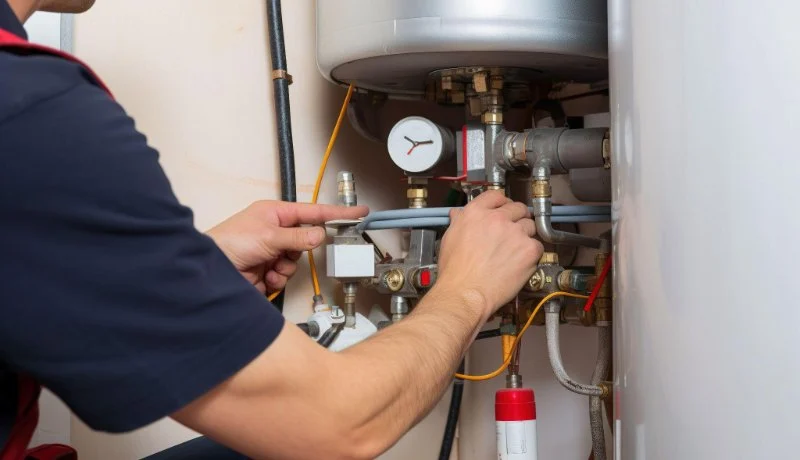
- Water Heater Issues: Sediment buildup in your water heater can cause blockages, reducing water flow and resulting in lower pressure from the hot water tap.
- Leaky Pipes: A leak somewhere in the plumbing system can lead to a loss of water pressure, especially if the leak is near the hot water line.
- Old or Broken Fixtures: Sometimes, low pressure may simply be caused by old, clogged, or damaged showerheads, faucets, or valves. These parts can restrict water flow if they’re not properly maintained.
3 - How to Troubleshoot Low Hot Water Pressure
Once you've identified the potential causes of low hot water pressure, the next step is troubleshooting the issue to narrow down the exact problem. Here’s a step-by-step guide to help you resolve the issue.
Sewer Xpress Corp / pipe xpress inc
Eastampton TownshipBurlington CountyNew Jersey
649 Powell Rd, Eastampton Township, NJ 08060, USA
Step 1: Check the Entire Home
Start by checking if the low pressure is limited to a specific area or if it’s affecting the entire home. If only one faucet or shower has low pressure, the issue may be with the fixture itself. If the pressure is low throughout the house, there could be a more serious issue with your plumbing system or water heater.
Step 2: Inspect the Water Heater
If the low hot water pressure is present throughout the house, inspect your water heater for issues such as sediment buildup or malfunctioning components. Flushing the water heater to remove sediment buildup can sometimes restore normal pressure. Be sure to check the temperature setting as well, as a setting that’s too high may cause problems.
Step 3: Examine the Fixtures
If the problem is localized to one fixture, check the showerhead or faucet. Mineral buildup is a common issue with showerheads, and a simple cleaning with vinegar can often resolve the issue. For faucets, inspect the aerators for any debris that may be restricting water flow.
Step 4: Check for Leaks
If the problem persists, check for leaks in your pipes. A visible leak may be the cause of low water pressure, and it’s important to repair it as soon as possible to avoid further damage.
4 - Solutions to Fix Low Hot Water Pressure
Once you've diagnosed the problem, here are some common solutions that can help restore your water pressure:
- Cleaning or Replacing Fixtures: Clean your showerheads, faucets, or valves to remove mineral buildup or replace them if they are damaged.
- Flushing the Water Heater: Flush your water heater to remove any sediment buildup that may be affecting water flow and reducing pressure.
- Fixing Leaks: If you find a leak in your pipes, repair it immediately to prevent water pressure loss.
- Replacing the Pressure Regulator: If the issue is caused by a malfunctioning pressure regulator, consider replacing it to restore normal water pressure.
- Upgrading Pipes: In cases of old or corroded pipes, replacing them with new ones may be necessary to ensure proper water flow and pressure.
5 - When to Call a Plumber for Hot Water Pressure Issues
While many low hot water pressure issues can be resolved through basic troubleshooting, some problems may require professional assistance. If you're unable to identify the source of the issue or if repairs involve complex tasks such as replacing pipes or pressure regulators, it's best to call a plumber.
For ongoing low water pressure issues, a plumber can assess your entire plumbing system, including your water heater and pipes, and recommend the best solution. If you're unsure about tackling the issue yourself, don't hesitate to reach out to professionals who can ensure your home’s water pressure is restored efficiently and safely.
For professional plumbing help, visit PlumberNear for expert recommendations and services that can help fix low hot water pressure and other plumbing concerns in your home.
 Elite Plumbing & Heating Hvac: Roto Rooter Cleaning Services Long Island, Clogged Drain, Home Winterproofing, Drain Cleaning0.0 (0 reviews)
 Changing Seasons Plumbing and Heating Inc4.0 (6 reviews)
 B & B Hot Water Tanks Inc5.0 (9 reviews)
 AAA Plumbing & Heating Services3.0 (4 reviews)
 Mr. Rooter Plumbing of Southern Massachusetts4.0 (582 reviews)
 R. J. Riquier Inc3.0 (10 reviews)
 How Often Should You Replace Old Pipes? Essential Maintenance Tips
 What to Do If Frozen Pipes: Complete Homeowner’s Guide
 How Long Does It Take to Fix a Broken Water Heater? Everything You Need to Know
 Why Is My Bathtub Drain Not Unclogging? Causes and Solutions for Stubborn Clogs
 Is It Safe to Installing a New Toilet
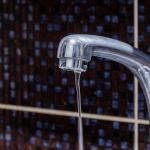 Step-by-Step Guide to Low Water Pressure: Causes and Solutions