
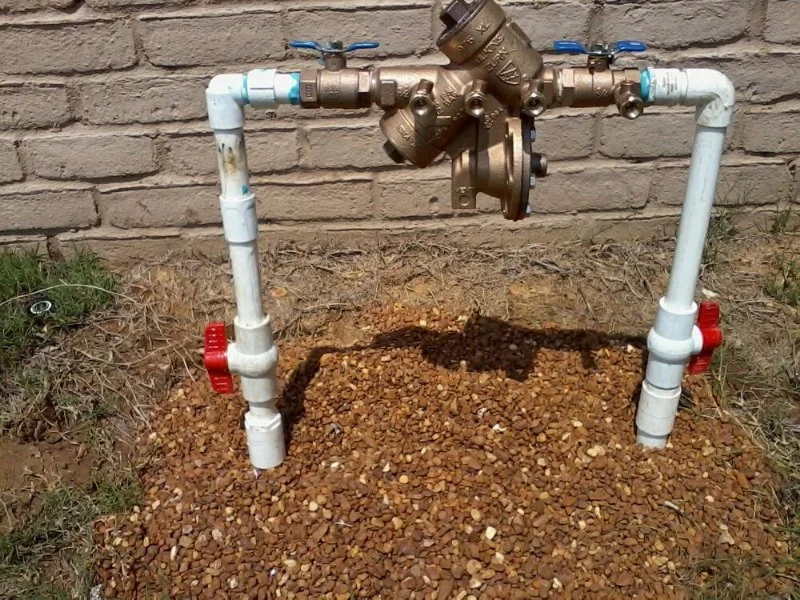
Why Backflow Prevention Matters More Than Most Homeowners Realize
Water is one of those things we assume will always behave the way it should—flowing cleanly into our homes without question. But in plumbing systems, that expectation can be disrupted by something called backflow, where contaminated water reverses direction and enters clean water lines. Understanding How to Install a Backflow Preventer at Home begins with recognizing why this device exists in the first place.
Backflow can occur due to sudden pressure changes, such as a water main break or heavy demand in the municipal system. When it happens, fertilizers from irrigation lines, stagnant water from hoses, or even household contaminants can be pulled back into drinking water. This is not a rare edge case—it’s a documented issue in many residential neighborhoods, especially older ones with mixed plumbing systems.
One homeowner in the Midwest shared how they discovered discoloration in their tap water after a nearby fire hydrant test. The cause wasn’t obvious at first, but plumbers traced it back to a missing backflow preventer in their outdoor irrigation line. That kind of experience is exactly why learning proper installation matters.
Preparing Before You Start the Installation Process
Before touching any pipes, preparation is the difference between a smooth installation and a frustrating repair job. Installing a backflow preventer is not overly complex, but it requires attention to detail and respect for water pressure systems.
Understanding Your Plumbing Layout First
Every home is slightly different. Some systems have irrigation lines branching off near the main supply, while others integrate outdoor spigots in different zones. Locating your main shutoff valve is essential before you begin. This ensures you can safely stop water flow when installing the device.
Tools and Materials You Will Likely Need
A typical installation requires pipe cutters, adjustable wrenches, Teflon tape, fittings compatible with your pipe material (PVC, copper, or galvanized steel), and of course the backflow preventer itself. Many modern devices are designed with simplified union fittings, making installation more approachable for experienced DIY homeowners.
It’s worth noting that not all backflow preventers are identical. Some are designed specifically for irrigation systems, while others are for whole-house protection. Choosing the correct type is critical for long-term safety and compliance with local plumbing codes.
Step-by-Step Process for Installing a Backflow Preventer
Now we move into the core of How to Install a Backflow Preventer at Home. This process should be done slowly and carefully, ensuring each connection is secure and properly aligned.
Step 1: Shut Off the Main Water Supply
This is the most important safety step. Turn off the water completely and open a faucet to release pressure in the line. Skipping this step can lead to unexpected water discharge and potential damage to surrounding areas.
Step 2: Identify the Installation Point
Backflow preventers are usually installed near the main water line entry point or on irrigation systems before water reaches outdoor zones. The goal is to stop reverse flow before contamination can enter the clean supply.
Step 3: Cut the Pipe and Prepare Connections
Using a pipe cutter, carefully remove a section of pipe where the device will be installed. Smooth the edges and ensure no debris remains. Proper sealing is crucial here because even minor leaks can reduce system efficiency.
Step 4: Install the Device in Correct Flow Direction
Most backflow preventers have directional arrows indicating water flow. Installing it backward is one of the most common DIY mistakes. Once positioned correctly, secure all fittings tightly but avoid overtightening, which may crack PVC or distort seals.
Step 5: Restore Water and Test the System
Slowly turn the water back on and check for leaks. Observe pressure consistency and ensure the device is functioning without unusual noise or vibration. A properly installed system should operate quietly and smoothly.
Real-World Installation Experiences and Common Mistakes
A homeowner in Arizona once attempted a weekend installation without checking pipe compatibility. They purchased a brass backflow preventer for a PVC irrigation system, leading to fitting mismatches and leaks. After consulting a plumbing technician, they realized that material compatibility is just as important as installation technique.
Another common issue is incorrect placement. Some DIY installers position the device too close to ground level, exposing it to debris buildup and freezing risks in colder climates. These small oversights often lead to early failure or maintenance headaches.
These examples highlight why careful planning is just as important as physical installation. The device itself is reliable, but only when installed correctly within a properly understood plumbing system.
Long-Term Maintenance and System Reliability
Once installed, a backflow preventer is not something you can forget about completely. Like most mechanical plumbing components, it benefits from periodic inspection. Checking for leaks, corrosion, or pressure irregularities every few months helps extend its lifespan significantly.
In regions with seasonal temperature shifts, winterizing outdoor systems is especially important. Frozen water inside a backflow preventer can cause cracks or internal valve damage, leading to costly replacements.
Signs Your System May Need Attention
Unusual water taste, inconsistent pressure, or visible leaks near the device are early warning signs. Addressing these early can prevent larger plumbing issues later.
When Upgrading or Replacing Makes Sense
Even a well-installed backflow preventer won’t last forever. Over time, internal seals wear out, especially in areas with hard water or high mineral content. If your system is over a decade old, it may be time to consider an upgrade.
Modern designs are more efficient, easier to maintain, and often comply with updated safety standards. For homeowners looking to explore reliable replacement options or upgraded plumbing solutions, CarpetHub offers useful guidance and product insights that can help you make informed decisions tailored to your home setup.
Final Thoughts on Installing a Safe and Reliable System
Understanding How to Install a Backflow Preventer at Home is ultimately about protecting one of the most essential resources in your household—clean water. While the process is manageable for experienced DIY enthusiasts, precision and awareness of plumbing dynamics make all the difference.
If you’re planning your own installation or considering upgrading your current system, taking the time to choose the right device and follow proper steps will pay off in long-term safety and peace of mind. Clean water isn’t just a convenience—it’s a necessity worth safeguarding carefully.
 High Rock Water | Well Pump & Water Treatment Services Company5.0 (142 reviews)
 Petroski Plumbing4.0 (41 reviews)
 G&C Plumbing & Heating5.0 (485 reviews)
 Plumbing &Heating Depot3.0 (4 reviews)
 Chapel Plumbing LLC5.0 (9 reviews)
 Stilwell Plumbing & Drain Cleaning4.0 (277 reviews)
 Ultimate Guide to a Running Toilet | PlumberNear
 How to Install a Pressure Tank for Well System
 How to Fix a Leaky Showerhead: A Step-by-Step Guide
 How Long Does It Take to Fix a Leaking Faucet?
 What to Know Before Hiring a Plumber: Key Questions to Ask
 How to Prevent Plumbing Issues During the Winter Months