
- 1- Understanding Pipe Materials
- 2- Types of Pipe Materials
- 3- Factors to Consider When Choosing Pipe Materials
- 4- Common Mistakes to Avoid in Pipe Material Selection
1- Understanding Pipe Materials
When it comes to plumbing, choosing the right pipe materials is crucial for ensuring the longevity, efficiency, and safety of your plumbing system. Each type of pipe material has its own advantages and disadvantages, making it essential to select the one that best suits your needs. Whether you're working on a new construction project or replacing old pipes, understanding the different types of materials available will help you make an informed decision.
Pipes are used for transporting water, gas, and waste in residential, commercial, and industrial settings. The right material can enhance the performance of your plumbing system, reduce maintenance costs, and extend the life of your pipes. In this guide, we will explore the most common pipe materials used today, their properties, and how to choose the right one for your project.

Landry Mechanical Inc Plumbing HVAC & Electric / landry mechanical
FraminghamMiddlesex CountyMassachusetts
763 Waverly St unit 32, Framingham, MA 01702, USA
2- Types of Pipe Materials
There are several types of pipe materials commonly used in plumbing systems, each with its own characteristics. Here are some of the most popular options:
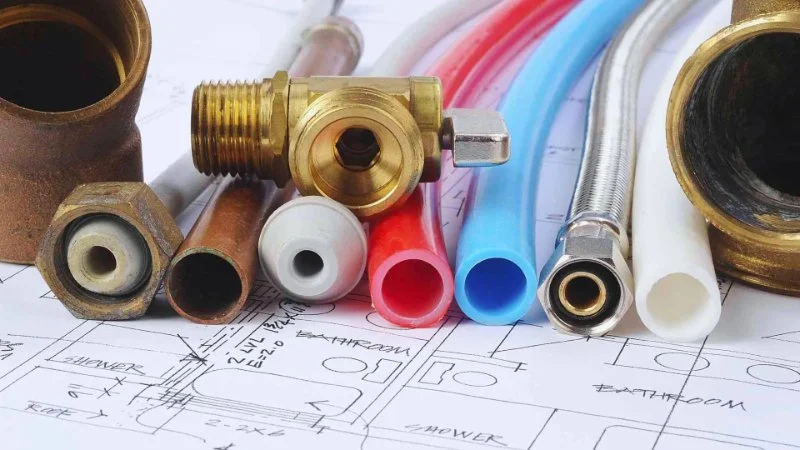
1. Copper Pipes
Copper pipes have been the standard in plumbing for decades due to their durability and resistance to corrosion. They are ideal for both hot and cold water systems and are often used in residential plumbing. Copper is known for its longevity, with pipes lasting up to 50 years or more if properly maintained. However, copper pipes are more expensive than other materials, which can increase the overall cost of your plumbing project.
2. PVC (Polyvinyl Chloride) Pipes
PVC pipes are lightweight, durable, and inexpensive. They are commonly used for drain, waste, and vent (DWV) systems. PVC pipes are resistant to corrosion and have a smooth interior, which allows water to flow freely. However, they are not suitable for hot water lines, as high temperatures can cause the pipes to weaken.
3. PEX (Cross-Linked Polyethylene) Pipes
PEX pipes are becoming increasingly popular due to their flexibility and ease of installation. They are often used for water supply lines in both residential and commercial buildings. PEX is resistant to scale and chlorine, making it a great choice for areas with hard water. One of the biggest advantages of PEX is its ability to bend and be shaped around corners, reducing the need for fittings. However, PEX should not be exposed to sunlight for extended periods, as UV rays can degrade the material.
4. Galvanized Steel Pipes
Galvanized steel pipes were once a common choice for water supply lines, but they are less popular today due to the risk of corrosion. Over time, galvanized pipes can corrode from the inside out, which can lead to blockages, leaks, and poor water quality. If you have galvanized pipes in your home, it may be worth considering an upgrade to a more reliable material.
5. Cast Iron Pipes
Cast iron pipes are typically used for waste and drainage systems due to their strength and durability. They can handle high pressure and are resistant to fire. However, cast iron is heavy and can be difficult to work with. It also tends to rust over time, so it may require replacement in certain areas.

Bill Trombly Plumbing - Heating - Cooling - Electric / jim trombly heating
ManchesterHillsborough CountyNew Hampshire
76 Maple St, Manchester, NH 03103, USA
3- Factors to Consider When Choosing Pipe Materials
When selecting the right pipe material for your plumbing system, there are several factors you need to consider:
- Water Pressure: Some materials, such as copper and PEX, are better at handling high water pressure than others. If you live in an area with high water pressure, it's important to choose a material that can withstand the pressure without cracking or leaking.
- Temperature Resistance: For hot water systems, you'll need a material that can handle high temperatures. Copper and PEX are good choices for hot water lines, while PVC should be avoided for anything other than cold water.
- Corrosion Resistance: In areas with hard water or high humidity, corrosion resistance is a crucial factor. Copper, PEX, and PVC are known for their resistance to corrosion, while galvanized steel and cast iron are more prone to rust and decay over time.
- Cost: Cost is always a consideration in any project. PVC is typically the most affordable material, while copper is more expensive. PEX offers a balance of affordability and durability, while cast iron and galvanized steel tend to be more costly and require specialized tools for installation.
- Installation Ease: Some materials, such as PEX, are easier and faster to install due to their flexibility. Copper and galvanized steel require more labor and tools, which can increase installation costs.
4- Common Mistakes to Avoid in Pipe Material Selection
Choosing the wrong pipe material can lead to costly repairs, leaks, and even damage to your property. Here are some common mistakes to avoid when selecting pipe materials:
- Choosing Based on Price Alone: While cost is important, choosing the cheapest option without considering other factors like durability and suitability for your needs can lead to future problems.
- Not Considering Local Water Conditions: If your area has hard water, corrosion-resistant materials like PEX or copper may be the best choice. Don't ignore the impact of local water quality on your plumbing system.
- Ignoring Installation Requirements: Some materials, such as cast iron, require specialized tools and professional installation. Be sure to understand the installation requirements of your chosen material to avoid unexpected costs.
If you're still unsure about the best pipe materials for your plumbing needs, feel free to reach out to experts at PlumberNear for recommendations and professional advice. We can help you make the best choice based on your specific requirements, ensuring a durable and efficient plumbing system.

 Crisafulli Bros. Plumbing & Heating Contractors, Inc.4.0 (4850 reviews)
 Loram Plumbing4.0 (28 reviews)
 Sal’s Sewer & Drain Service4.0 (11 reviews)
 Snappy Services LLC4.0 (55 reviews)
 bluefrog Plumbing + Drain of Richmond3.0 (18 reviews)
 Flow Pro Sewer and Drain Cleaning Professionals5.0 (1 reviews)
 What to Do If Choosing the Right Pipe Materials for Your Home Project
 Choosing the Right Pipe Materials: A Comprehensive Guide
 Best Ways to Finding a Reliable Plumber
 Beginner's Guide to Preventing Winter Plumbing Issues – Expert Tips for Homeowners
 What Causes Water Damage in Your Bathroom? Identifying Common Issues and Solutions
 Expert Advice on Water Damage in Your Bathroom for U.S. Homeowners