
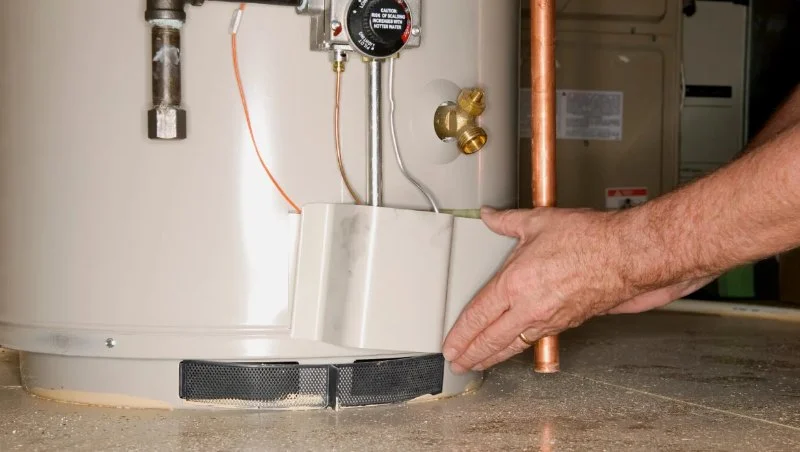
Water Heater Won’t Drain? Common Reasons and What You Can Do
- water-heater-not-draining-causes
- sediment-buildup-and-mineral-deposits
- checking-the-drain-valve-and-connections
- safe-steps-to-drain-a-water-heater
- when-to-call-a-professional
- preventing-future-water-heater-draining-issues
1. Why Is My Water Heater Not Draining?
Few household problems are more frustrating than discovering that your water heater is not draining when you are trying to perform routine maintenance or prepare for a replacement. Many homeowners expect water to flow out immediately after opening the drain valve, but sometimes nothing happens, only a small trickle appears, or the water stops flowing after a few seconds.
If you are wondering, “Why is my water heater not draining?” the answer usually comes down to a few common issues: sediment buildup inside the tank, a clogged drain valve, a blocked opening caused by mineral deposits, or a pressure problem preventing water from leaving the tank.
A water heater works by storing and heating water inside a large tank. Over time, minerals from the water supply settle at the bottom of the tank. These deposits can become thick enough to interfere with normal operation, including the draining process. This is especially common in homes with hard water.
Many homeowners only think about their water heater when there is no hot water, but regular maintenance plays a major role in extending the life of the unit. Understanding the reasons behind water heater draining problems can help you avoid expensive repairs and keep your system working efficiently.
Common situations where draining problems appear
Water heater drainage issues often happen during annual maintenance, when replacing an old unit, or when homeowners try to flush the tank for the first time. A common experience is opening the drain valve and expecting several gallons of water to come out, only to find that the tank appears completely blocked.
For example, one homeowner noticed that their 10-year-old water heater would not drain before installation of a new unit. After opening the valve, only a few drops came out. The problem was not the plumbing connection but years of sediment accumulation that had hardened at the bottom of the tank.
Situations like this are more common than many people realize. A water heater can continue producing hot water while slowly collecting debris inside, making drainage problems appear suddenly later.
2. How Sediment Buildup Prevents a Water Heater From Draining
One of the biggest reasons a water heater is not draining is sediment buildup. Inside every traditional tank-style water heater, minerals naturally separate from the water and settle at the bottom of the tank.
Calcium, magnesium, and other minerals can combine with dirt and rust particles to create a thick layer that resembles hardened sand or mud. Over years, this material can become compacted and block the drain opening.
Why hard water creates bigger problems
Homes located in areas with hard water often experience faster sediment accumulation. Hard water contains higher levels of dissolved minerals, which means the tank collects deposits more quickly.
As sediment builds up, homeowners may notice additional warning signs:
- Strange popping or rumbling sounds from the tank
- Longer heating times
- Reduced hot water capacity
- Higher energy bills
- Cloudy or rusty-looking water
The sediment layer acts like insulation between the burner or heating element and the water. This forces the system to work harder, reducing efficiency and increasing wear on internal components.
Why flushing the tank matters
Regular flushing helps remove loose sediment before it becomes a serious blockage. Many manufacturers recommend flushing a water heater once a year, although homes with hard water may require more frequent maintenance.
Taking preventive action is usually much easier than dealing with a completely clogged water heater drain valve later.
3. Problems With the Water Heater Drain Valve
If sediment is not the main problem, the drain valve itself may be preventing water from leaving the tank. The drain valve is a small component, but it plays an important role during maintenance.
Over time, drain valves can become clogged, damaged, or stuck. Plastic valves are especially vulnerable because they can crack or become brittle after years of exposure to heat.
Signs of a clogged drain valve
A clogged drain valve often creates specific symptoms:
- No water comes out after opening the valve
- Water flows extremely slowly
- The valve leaks around the handle
- The valve cannot be opened properly
Sometimes the valve is technically open, but sediment has blocked the small internal passage. In this situation, the tank may still contain dozens of gallons of water that cannot escape.
Checking the valve safely
Before inspecting any water heater component, safety should come first. Turn off the power supply for electric water heaters or shut off the gas supply for gas models. The water inside the tank may be extremely hot, so allowing time for cooling is important.
If the valve appears damaged or stuck, replacing it may be necessary. However, forcing an old valve can sometimes create leaks or cause additional damage.
4. How to Drain a Water Heater Correctly
Knowing how to drain a water heater properly can help prevent future problems and improve system performance. The process requires patience because a full tank can contain a significant amount of water.
Step 1: Turn off the energy source
For electric units, switch off the circuit breaker. For gas units, turn the thermostat setting to the appropriate off position and follow manufacturer instructions.
Step 2: Shut off the water supply
Close the cold-water inlet valve located above the water heater. This prevents additional water from entering while the tank is draining.
Step 3: Connect a proper drainage hose
Attach a garden hose designed for hot water use to the drain valve. Place the other end somewhere safe, such as a floor drain or approved outdoor location.
Step 4: Open a hot water faucet
Opening a faucet inside your home allows air to enter the system, helping water flow more smoothly from the tank.
Step 5: Open the drain valve carefully
If the water does not flow, do not immediately assume the tank is empty. A blockage may be preventing drainage. In many cases, the issue requires clearing sediment or replacing the valve.
5. When a Water Heater Draining Problem Needs Professional Help
While some maintenance tasks can be handled by experienced homeowners, certain situations require professional assistance. A water heater contains hot water, pressure, gas connections, and electrical components, so mistakes can create safety risks.
Professional help may be needed when:
- The drain valve is broken or leaking
- The tank contains severe sediment blockage
- The water heater is very old
- The tank shows signs of corrosion
- There are electrical or gas-related concerns
A professional technician can inspect the system, safely remove blockages, replace damaged parts, and determine whether repair or replacement makes more financial sense.
For homeowners looking for reliable maintenance products, replacement components, or water heater solutions, visiting trusted home improvement resources such as HomeFix Solutions can help you find options designed for long-term performance and easier maintenance.
6. How to Prevent Water Heater Drainage Problems
The best way to avoid asking “Why is my water heater not draining?” is regular maintenance. A small amount of attention each year can prevent major issues later.
Flush your water heater regularly
Annual flushing helps remove sediment before it becomes compacted. This simple habit can improve efficiency and extend the lifespan of your water heater.
Monitor water quality
If your home has hard water, consider using water treatment solutions to reduce mineral buildup. Less mineral accumulation means fewer problems inside the tank.
Inspect the drain valve
During routine checks, look for leaks, corrosion, or difficulty operating the valve. Replacing a worn valve before it fails can prevent emergency situations.
Pay attention to unusual sounds
Popping and cracking noises often indicate sediment heating inside the tank. These sounds are early warnings that maintenance may be needed.
Understanding Your Water Heater Before Problems Get Worse
A water heater that will not drain is usually a sign of an underlying maintenance issue rather than a random failure. Whether the cause is sediment buildup, a clogged valve, or internal blockage, identifying the problem early can save time, money, and stress.
Many homeowners wait until their water heater stops working completely before taking action. However, simple maintenance products, replacement parts, and professional-grade solutions can make caring for your system much easier.
If you are dealing with a water heater not draining problem or want to improve your home's hot water system, explore quality water heater maintenance products and solutions that can help keep your unit running efficiently. Taking action today can help prevent costly repairs tomorrow and keep your home comfortable year-round.
 Richard E Brown & Son Inc0.0 (0 reviews)
 George Trevett Plumbing Heating LLC4.0 (92 reviews)
 Hallelujah Plumbing & Heating, INC1.0 (15 reviews)
 Trap Zap2.0 (13 reviews)
 Stanley Lewis Plumbing and Heating4.0 (72 reviews)
 Central CT Plumbing & Heating LLC4.0 (28 reviews)
 Top Tips for a Broken Water Heater | Troubleshooting & Repair Solutions
 Why Is My Toilet Tank Not Filling Up? Common Causes and Solutions
 Ultimate Guide to Finding a Reliable Plumber in the U.S.
 Expert Advice on Water Damage in Your Bathroom for U.S. Homeowners
 Understanding the Average Cost to Replace a Toilet in the US | HomeFix Guide
 Beginner's Guide to a Broken Water Heater – What to Do and When to Call for Help