
Water Meter Leak Check: Test the Home Without Guessing
On this page
Quick answer
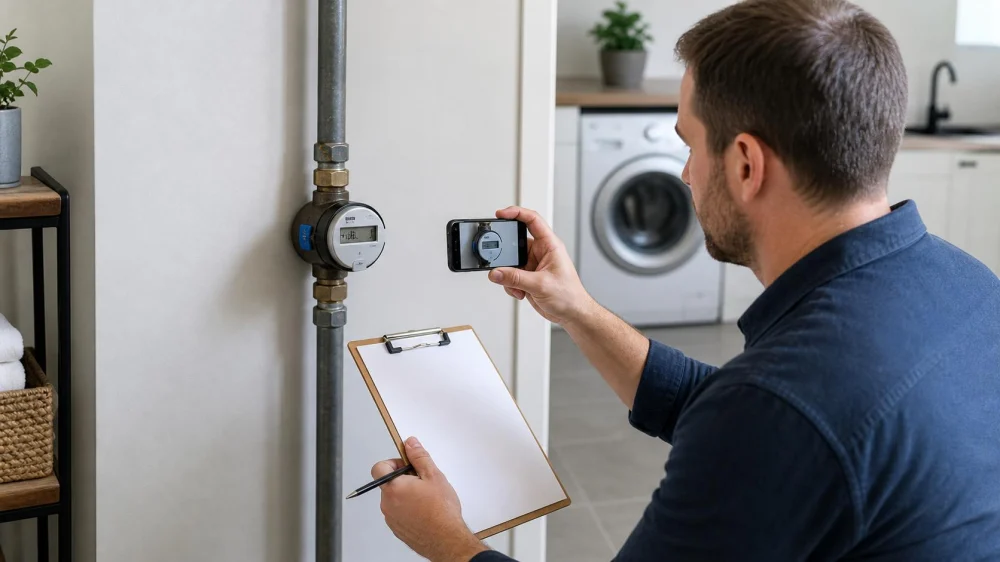
To check for a hidden household leak, choose a period when no one will use water, turn off every faucet and water-using appliance without closing the main supply, record the water meter reading or leak indicator, wait, and read it again. EPA WaterSense suggests a two-hour no-use comparison; movement probably indicates a leak. Do not open a utility-owned meter, enter a flooded space, or force a valve.
O'Neill Bros. Plumbing / oneill plumbing
RockvilleMontgomery CountyMaryland
12348 Wilkins Ave, Rockville, MD 20852, USA
Prepare the test
- Tell everyone not to flush, wash, drink from taps, make ice, irrigate, or run appliances during the test.
- Pause automatic irrigation, water softener regeneration, pool fill, humidifier, and scheduled appliance cycles according to their controls.
- Check that toilets have finished filling and faucets are fully off.
- Note appliances designed to use water automatically and whether they can be safely paused.
- Locate the correct meter and confirm access rules with the utility.
Do not confuse turning fixtures off with closing the home's main valve. The meter test needs the supply open so unintended flow can register.
Hardy Plumbing / hardy plumbing
Port ClintonSchuylkill CountyPennsylvania
149 Penn St, Port Clinton, PA 19549, USA
Read the meter
- Clean only loose surface debris; do not disturb wires, seals, transmitters, or the meter body.
- Photograph the full display, including decimal places and units.
- Note the start time and any flow or leak icon.
- Maintain zero intentional use for the selected interval.
- Photograph the display again from the same angle.
- Compare every digit and indicator.
A change shows water passed through the meter, but it does not identify where. Repeat once if an automatic device may have operated. Follow utility instructions for digital displays that cycle through screens or sleep.
Narrow the source
Start with visible, low-risk observations: listen for running toilets, inspect fixture and appliance supply connections, check under sinks, around water heaters, near irrigation valves, and along accessible piping. Look for dampness, staining, soft flooring, mold-like odor, warm spots, hissing, or unexplained outdoor wet areas.
If you know the main shutoff is operable and the utility or plumber has shown you how to use it, a professional may use it to help distinguish a leak in the house from one between the meter and shutoff. Do not force an old valve or enter a crawlspace, ceiling, utility vault, or electrical area to investigate.
When to call
- Shut off water using a known safe valve and call promptly when active water threatens the building.
- Call emergency services or the utility for a street-side break, sinkhole, gushing meter box, or public hazard.
- Stay away from water near electrical panels, outlets, appliances, gas equipment, or sagging ceilings.
- Call a licensed plumber when the meter moves with no intended use, the source is hidden, a valve is unreliable, or damage is expanding.
- Notify the landlord or property manager according to the lease while taking reasonable steps to limit damage.
Leak-test checklist
- Correct meter and utility rules confirmed
- All intentional water use paused
- Automatic systems accounted for
- Start reading, units, indicator, and time photographed
- No-use interval maintained
- End reading photographed
- Visible fixtures and connections checked safely
- Main shutoff location known
- Plumber, utility, insurer, and landlord contacts ready
Limitations
Very small intermittent leaks may not appear during one test. Shared meters, multifamily systems, fire sprinklers, wells, irrigation, softeners, and pool equipment complicate interpretation. Meter movement can also reflect an intentional automatic cycle. A meter test does not locate a leak, confirm pipe condition, or replace pressure testing by a qualified professional.
FAQ
Should I close the main valve before the test?
No for the basic whole-home test; leave the supply open but stop fixture and appliance use.
What if the digital display is blank?
Follow the utility's meter-reading instructions. Do not pry open or tamper with the unit.
Can a running toilet move the meter?
Yes. Silent toilet leaks are common, so listen and use a utility-approved dye test after the meter test if appropriate.
Does no movement prove there is no leak?
No. An intermittent or very small leak may not occur during the interval. Repeat and investigate other clues.
Who owns the pipe near the meter?
Responsibility varies by utility and location. Ask the utility before authorizing excavation or repair.
Evidence notes
EPA WaterSense recommends reading the meter before and after a two-hour period with no water use; a changed reading probably indicates a leak. It also advises regular visible checks and prompt repairs. See EPA WaterSense home maintenance guidance.
Conclusion
A controlled no-use meter check turns suspicion into useful evidence. Photograph both readings, account for automatic equipment, avoid unsafe access, and give the results to the utility or plumber who can isolate and repair the source.
 All Plumbing Solutions LLC5.0 (147 reviews)
 Squam Lakes Plumbing & Heating, LLC4.0 (269 reviews)
 Gabe Ambrozia & Sons4.0 (23 reviews)
 Ganaco Plumbing4.0 (21 reviews)
 A&A Plumbing & Heating, LLC.5.0 (2 reviews)
 Triple P Plumbing & Heating4.0 (29 reviews)
 Ultimate Guide to Choosing the Right Pipe Materials for Your Plumbing Needs
 Step-by-Step Guide to Fix a Leaking Bathtub Faucet Stem | Plumbers Supply Hub
 How to Prepare Your Plumbing System for Seasonal Changes: Essential Tips for Homeowners
 Beginner’s Guide to Preventing Winter Plumbing Issues in the U.S.
 Expert Advice on Installing a New Toilet at Home
 How to Fix a Garbage Disposal: Common Problems and Solutions